Pinch for bushiness
Pinch out the soft shoot tips once plants have 4–6 true leaves to encourage low, branching growth and a fuller flowering display.

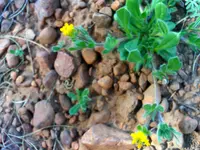
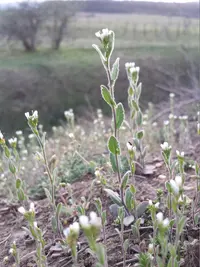
Anthyllis lotoides is a small annual legume, typically forming low, branching clumps with soft foliage and modest, clustered flowers. It has a delicate, meadow-like appearance rather than a bold ornamental look. Native to parts of Europe and adjacent regions, it is usually found in open, sunny habitats with relatively dry, well-drained soils. The plant tends to be short-lived and best suited to naturalistic plantings or restoration-style projects rather than formal gardens. It is generally easy to care for Anthyllis lotoides if given full sun, lean soil, and moderate to low moisture, but it may struggle in heavy, wet, or shaded conditions.

Care Difficulty
Moderate Care

Light Preference
Full Sun

Water Requirements
Moderate Water

Temperature Preference
Warm Climate

Hardiness Zone
7–10

Soil Texture
Sandy, Loamy, Rocky

Soil pH
Slightly acidic (6.5–7.0), Neutral (7.0)

Soil Drainage
Well-drained

Fertilization
Minimal (feed rarely)
Scan your plant to receive care tips personalized for your specific plant
Available on iOS and Android
This Mediterranean annual prefers bright, open sites with plenty of sun for compact, floriferous growth.
This species prefers moderately dry, free-draining conditions and is sensitive to prolonged soil saturation.
This annual legume is adapted to mild, dry climates and prefers moderate temperatures during active growth.
This species prefers dry to moderately dry air and usually does not need increased humidity.
This plant is adapted to lean, mineral soils and must have sharp drainage.
This species can be grown in containers if provided with a free-draining, relatively deep pot.
This low-fertility wild legume usually needs minimal feeding, especially in poor or sandy soils.
Pruning Anthyllis lotoides is mainly about tidying and maintaining a compact, flowering shape.
This species is more often transplanted outdoors than kept long-term in containers, due to its taproot and preference for open ground.
Propagation of Anthyllis lotoides is most reliable from seed, which suits its natural life cycle as an annual or short-lived perennial.
In mild climates this species needs little winter attention, but cold, wet conditions can reduce survival.

Plant Health Check
Not sure what's wrong with your plant? Check your plant's health inside the app.
Anthyllis lotoides is naturally restricted to coastal and subcoastal areas around the western Mediterranean Basin, occurring in countries such as Spain, Portugal, France, Italy, and parts of North Africa on dry, open habitats with calcareous or sandy soils.
The flowers develop inside a characteristically inflated, papery calyx (the outer floral envelope), which becomes more prominent as the fruit matures and helps distinguish this species from closely related Anthyllis taxa.
Taxonomically, this species belongs to the Anthyllis vulneraria aggregate, a complex of closely related clover-like legumes, and has undergone several historical reclassifications as botanists refined species limits using detailed floral and fruit morphology.
This species is generally annual or short-lived perennial, depending on climate. In cooler or harsher conditions it behaves as an annual, completing its life cycle in 1 season and readily reseeding in suitable sites.
Keep your plants happy and healthy with plant identification, disease detection, and easy care guidance.