Alpine-style drainage
Plant in a slightly raised gritty berm or rock crevice so meltwater and rain run off quickly, which greatly reduces crown rot in Primula integrifolia plant care.

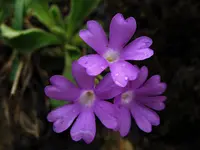
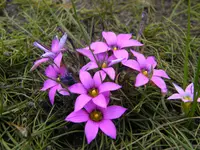
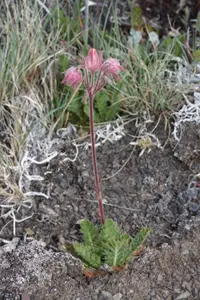
Primula integrifolia, commonly called entire-leaved primrose, is a compact alpine perennial forming low, dense rosettes of smooth, spoon-shaped leaves. It produces short stems topped with bright pink to purple flowers that create a neat, cushion-like display in spring.
This species naturally occurs in montane and alpine habitats of central and southern Europe, often in rocky, calcareous grasslands and open slopes. Its slow, compact growth and preference for cool conditions make it well suited to rock gardens and troughs.
It prefers bright light, cool temperatures, moist but sharply drained soil, and consistent moisture around the roots without waterlogging. Once these conditions are understood, it is relatively straightforward to care for Entire-leaved Primrose for gardeners who can provide a cool, stable site.

Care Difficulty
Hard Care

Light Preference
Full Sun

Water Requirements
Keep Soil Moist

Temperature Preference
Cold Hardy

Hardiness Zone
3–7

Soil Texture
Sandy, Loamy, Rocky

Soil pH
Strongly acidic (4.5–5.5), Acidic (5.5–6.5)

Soil Drainage
Moist but well-drained

Fertilization
Minimal (feed rarely)
Scan your plant to receive care tips personalized for your specific plant
Available on iOS and Android
This alpine primrose needs bright, cool conditions with gentle sun to flower well outdoors.
Primula integrifolia prefers consistently moist but never saturated soil, especially in spring and early summer.
This alpine species thrives in cool conditions and tolerates significant cold when well established.
This alpine primrose prefers steady, moderately moist air rather than very dry or steamy conditions.
This species needs sharply drained yet moisture-retentive soil that mimics a gritty alpine meadow or rock crevice.
This species can grow well in containers, especially alpine troughs or shallow pots with excellent drainage.
Primula integrifolia benefits from light, precise feeding rather than heavy fertilization.
Primula integrifolia needs only light pruning to stay tidy and flowering well.
This species is usually grown in rock gardens or troughs, so transplanting is more common than frequent repotting.
Primula integrifolia is commonly propagated by division or seed under cool, moist conditions.
This alpine primula is quite cold hardy but benefits from simple winter protection in wetter or exposed gardens.

Plant Health Check
Not sure what's wrong with your plant? Check your plant's health inside the app.
This species is naturally restricted to high-elevation alpine grasslands and rocky ledges, where it grows almost exclusively on limestone or other base-rich substrates, reflecting its adaptation to alkaline, calcium-rich soils.
The plant forms very low, dense rosettes that hug the ground, a cushion-like growth habit that reduces exposure to cold alpine winds and helps conserve warmth near the soil surface.
In its native mountain habitats, it often flowers soon after snowmelt, taking advantage of brief alpine growing seasons and the high light levels before taller vegetation fully develops.

Primula integrifolia has been used as a parent in breeding programs to create compact, cold-tolerant primrose cultivars for rock gardens, passing on its low, cushion-forming habit and adaptation to harsh alpine conditions.
This alpine species is perennial, returning each year from the same crown. In suitable conditions it forms slowly enlarging clumps, flowering each spring and then resting, rather than completing its life cycle in a single season.
Keep your plants happy and healthy with plant identification, disease detection, and easy care guidance.