Primula glomerata Care

About Primula glomerata

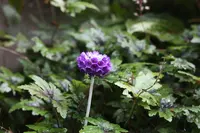
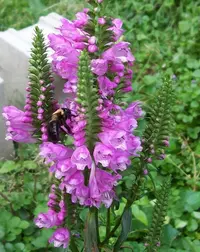
Primula glomerata is a compact, clump-forming perennial often grown for its tight, rounded clusters of small, usually violet to purple flowers. The blooms sit above a low rosette of fresh green leaves, giving the plant a neat, cushion-like look in the garden.

It is native to cool, mountainous regions of Europe, where it grows in open, moist meadows and rocky slopes. This natural habitat makes it best suited to cooler climates and mild summers.

Primula glomerata generally prefers partial light, consistently moist but well-drained soil, and protection from strong heat, which influences how to care for Primula glomerata in home gardens.

Main Plant Requirements

Care Difficulty

Moderate Care

Light Preference

Partial Shade

Water Requirements

Keep Soil Moist

Temperature Preference

Cold Hardy

Hardiness Zone

4–7

Soil Texture

Loamy, Peaty, Organic-rich

Soil pH

Acidic (5.5–6.5), Slightly acidic (6.5–7.0)

Soil Drainage

Moist but well-drained

Fertilization

Light (every 4–6 weeks)

Get Personalized Care Plan

Scan your plant to receive care tips personalized for your specific plant

Available on iOS and Android

How to Care for the Primula glomerata

This alpine primrose prefers cool conditions with bright but gentle light.

  • Provide 3–5 hours of soft morning sun, then light shade or dappled shade for the rest of the day, especially in summer.
  • Site Primula glomerata where it is shaded from strong midday and afternoon sun to prevent leaf scorch and shortened flowering.
  • In hotter climates, increase shade in late spring–summer; in cooler regions, allow more morning sun to compensate for lower light levels.

This plant needs consistently moist but not waterlogged soil, especially during active growth.

  • Water when the top 2–3 cm of soil feel slightly dry, aiming for evenly damp soil around the roots without standing water.
  • Use humus-rich, free-draining soil; prolonged soggy conditions cause root rot, yellowing leaves, and a collapsed crown.
  • Reduce watering slightly after flowering and in cooler months, but never let the root zone dry out completely; wilting or dull, limp leaves indicate underwatering.

This species prefers cool to mild temperatures and dislikes extreme heat.

  • Optimal growth occurs around 50–68°F (10–20°C), which supports strong foliage and prolonged flowering.
  • Plants tolerate light frosts down to about 23°F (-5°C) if soil is well drained, but extended freezes may damage crowns without mulch protection.
  • Heat above 77°F (25°C), especially with full sun, can stress plants; provide extra shade and mulch to keep roots cool in hot summers.

This alpine primrose prefers moderately moist air but usually copes with typical household humidity if soil moisture is stable.

  • Aim for 40–60% humidity to reduce leaf edge browning and premature flower fade.
  • Dry indoor air causes drooping foliage, crisp leaf tips, and faster wilting between waterings.
  • Increase humidity with a pebble tray under the pot or by grouping plants, avoiding misting directly onto flowers.

Primula glomerata needs cool, moist, but well-drained soil to prevent root rot and sustain flowering.

  • Use a loose, humus-rich loam with fine grit or sand to keep moisture even yet avoid waterlogging.
  • Aim for slightly acidic to neutral pH, around 6.0–7.0, which supports nutrient uptake and healthy growth.
  • Mix roughly 2 parts compost or leaf mold with 1 part garden loam and 1 part sharp sand or grit for aeration.
  • Avoid heavy clay or compacted ground; improve drainage and air spaces by incorporating coarse grit before planting.

This species is well suited to container growing outdoors in cool climates.

  • Choose a wide, shallow pot that matches its fibrous, shallow root system, preventing deep, wet zones at the base.
  • Use a heavier clay or ceramic container in windy sites to stabilize the dense flower clusters on short stems.
  • Ensure drainage holes stay clear and elevate the pot slightly so excess water escapes instead of pooling under the base.

This alpine perennial benefits from light, balanced feeding but is sensitive to excess salts.

  • Apply a balanced liquid fertilizer (about 10-10-10) at 1/2 strength every 4–6 weeks during active spring growth for Primula glomerata.
  • Use well-rotted compost as a thin top-dressing in early spring to support flowering without overfeeding.
  • Stop feeding by late summer and avoid fertilizer in winter dormancy to prevent weak, lush growth.
  • Flush pots with plain water a few times per season to reduce fertilizer salt buildup around the roots.

Thoughtful pruning helps maintain compact growth and strong flowering.

  • Deadhead spent flower stems of Primula glomerata as each cluster fades to extend blooming and reduce unwanted self-seeding.
  • In late summer, remove yellowing, damaged, or diseased leaves at the base with clean, sharp scissors or snips.
  • Thin out congested rosettes lightly to improve air circulation and reduce fungal issues in damp conditions.
  • In late fall, trim back collapsed foliage only, leaving healthy basal leaves to support the crown.

This species is more often transplanted in garden beds than kept long term in containers.

  • Transplant Primula glomerata in early spring or just after flowering, when temperatures are cool and soil is moist.
  • Look for signs such as a tight, congested clump, reduced flowering, or roots circling a pot as cues to move or divide plants.
  • Lift the clump carefully, tease roots apart gently, and replant at the same depth in humus-rich, well-drained soil.
  • Water thoroughly after transplanting, shade lightly for 3–5 days, and keep soil evenly moist to limit transplant shock.

Division is the most reliable way to increase plants while keeping flower traits consistent.

  • Divide mature Primula glomerata clumps in early spring or just after flowering, when soil is cool and workable.
  • Lift the clump and separate it into small sections, each with several healthy leaves and a portion of the crown and roots.
  • Replant divisions immediately into moist, humus-rich soil, spacing 15–20 cm apart for good air circulation.
  • For seeds, sow fresh in trays, keep evenly moist, and provide a cool period (around 40–50°F) to improve germination.

This species is generally cold hardy in temperate climates but benefits from modest root-zone protection.

  • Primula glomerata tolerates frost and snow once established, especially in well-drained soil.
  • After the ground freezes lightly, apply a 3–5 cm layer of loose mulch (leaf mold or fine bark) around, not over, the crowns.
  • In very wet winters, ensure good drainage so crowns do not sit in waterlogged, frozen soil.
  • Move container-grown plants into a sheltered, unheated spot to avoid repeated freeze–thaw cycles that stress roots.

Care Tips

Cool root zone

Mulch lightly with fine bark or leaf mold around, but not touching, the crowns to keep roots cool and moist during late spring and early summer, especially in warmer regions.

Alpine-style drainage

If planting in the ground or a rock garden, mix coarse grit or small gravel into the top 10–15 cm of soil in a band around the plants to prevent crown rot in wet periods.

Post-bloom handling

After the flower heads fade, cut them off at the base of the stem but leave the foliage to photosynthesize and rebuild the plant’s energy reserves for the next season.

Controlled division timing

Divide congested clumps only immediately after flowering, then replant divisions at the same depth and shade them lightly for 1–2 weeks to reduce transplant stress.

Winter wet protection

In areas with wet winters, plant on a slight mound or in a raised bed and, if needed, use a simple rain shield such as a clear cold frame lid to reduce waterlogging without trapping heat.

Common Pests and Diseases

Powdery mildew

This disease often appears in cool, humid conditions on clustered primroses, forming a white to gray powdery coating on leaves and flower stems. Symptoms include distorted growth, reduced flowering, and a dull, unhealthy leaf surface.

Solution

Remove and discard heavily infected leaves, then improve air circulation by thinning crowded plants and avoiding overhead watering. Apply a sulfur or potassium bicarbonate fungicide labeled for ornamentals at the first sign of infection, and keep foliage as dry as possible to support long-term Primula glomerata care instructions.

Botrytis blight

This disease develops in prolonged damp and cool weather, causing soft, water-soaked spots on leaves, flower stalks, and blooms that turn brown and develop gray, fuzzy mold. Symptoms include collapsing flower clusters and mushy tissue at the plant base.

Solution

Promptly remove all affected flowers and leaves, keeping debris out of the bed, and space plants to enhance airflow. Avoid wetting foliage, water at soil level in the morning, and use a registered ornamental fungicide for botrytis if the problem persists in wet weather.

Aphids

These insects feed on the soft growth and flower stems, sucking sap and causing curled, sticky leaves and deformed flower clusters. This pest also excretes honeydew, which can lead to sooty mold on leaves and buds.

Solution

Wash colonies off flower heads and leaves with a strong but controlled stream of water, repeating as needed. For persistent infestations, apply insecticidal soap or a neem oil product to all plant surfaces, targeting the undersides of leaves and new growth, and reduce excess nitrogen fertilization that encourages very soft tissue.

Vine weevils

This pest is a significant issue for Primula species, as adults chew notches from leaf edges while the larvae feed on roots and crowns, causing plants to wilt and collapse. Symptoms include poor vigor, sudden plant death, and loose root systems where larvae have eaten the tissue.

Solution

Inspect plants for characteristic notched leaves and hand-pick adults during the evening when they are most active. In containers or defined beds, use entomopathogenic nematodes targeted to vine weevil larvae in late summer or early fall, and discard severely damaged plants along with the surrounding soil to remove hidden larvae.

Leaf spot (Ramularia)

This disease causes small, round to irregular brown or purplish spots on leaves, often with pale centers and darker margins, which can merge and lead to premature leaf drop. Symptoms include thinning foliage, reduced flowering, and a generally weakened plant.

Solution

Remove and destroy affected leaves as soon as spots appear, and keep the area around plants free of fallen debris. Water at the base in the morning to keep leaves dry, increase spacing for better airflow, and use a broad-spectrum fungicide labeled for foliar leaf spots on ornamentals if cultural measures are not sufficient.

Interesting Facts

Alpine cushion rosettes

This species naturally forms tight ground-hugging rosettes adapted to windy alpine slopes, which helps protect the growing point from mechanical damage and moisture loss at high elevations.

Compact flower spheres

The inflorescences are dense, almost spherical clusters of many small flowers borne on short stems, an arrangement that improves visibility to pollinators in sparse mountain vegetation.

Mountain habitat preference

Wild populations are typically found in calcareous, well-drained alpine meadows and rocky pastures, where snow cover in winter insulates the dormant rosettes from extreme cold.

FAQs about Primula glomerata

This species is a herbaceous perennial, returning each year from its root system if conditions are suitable. Above-ground foliage often dies back after the growing season, but the plant survives in the crown and roots through winter dormancy.

Grow Healthy Plants with Botan Care

Keep your plants happy and healthy with plant identification, disease detection, and easy care guidance.

Botan plant care app — identify plants on mobile

Explore More Plants