wedgeleaf primrose Care (Primula cuneifolia)

wedgeleaf primrose

About wedgeleaf primrose

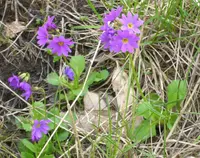
Wedgeleaf primrose (Primula cuneifolia) is a small, clump-forming perennial prized for its bright spring flowers held above neat rosettes of wedge-shaped leaves. It stays low to the ground and spreads slowly, creating tidy patches rather than large colonies.

This species is native to cool, moist habitats in northern Asia and Alaska, often growing near streams, wet meadows, and alpine slopes. It prefers cool summers, consistent moisture, and humus-rich, well-drained soil, which can make it a bit demanding in warmer or dry climates.

Gardeners who learn how to care for wedgeleaf primrose usually find it manageable in shaded rock gardens or woodland beds that stay evenly moist and sheltered from strong heat.

Main Plant Requirements

Care Difficulty

Hard Care

Light Preference

Partial Shade

Water Requirements

Keep Soil Moist

Temperature Preference

Cold Hardy

Hardiness Zone

3–7

Soil Texture

Loamy, Peaty, Organic-rich

Soil pH

Strongly acidic (4.5–5.5), Acidic (5.5–6.5)

Soil Drainage

Moist but well-drained

Fertilization

Minimal (feed rarely)

Get Personalized Care Plan

Scan your plant to receive care tips personalized for your specific plant

Available on iOS and Android

How to Care for the wedgeleaf primrose

This alpine primrose prefers cool, bright conditions with protection from strong sun.

  • Provide 3–5 hours of soft morning sun or bright dappled light; avoid harsh midday and afternoon sun that can scorch wedgeleaf primrose leaves.
  • Grow in partial shade, such as the north or east side of a building, or under light tree canopy that filters direct rays.
  • In summer, increase shade or add shade cloth during heatwaves; in early spring and fall, slightly more direct morning sun improves flowering.

This primrose needs consistently moist but not waterlogged soil, especially during active growth.

  • Water when the top 2–3 cm of soil feel barely dry, aiming for evenly moist soil around the roots without standing water.
  • Use rich, well-drained soil with added organic matter so excess water can drain while still holding moisture, especially in sloped or alpine-style beds.
  • Reduce watering slightly in late fall and winter, watching for drooping leaves (too dry) or yellowing, mushy crowns (overwatering) in Primula cuneifolia.

This cool-climate species prefers mild temperatures and dislikes extreme heat.

  • Aim for 50–65°F (10–18°C) during active growth; short periods up to 70°F (21°C) are tolerated if soil stays moist and roots shaded.
  • Mature plants often handle down to about 10–15°F (-12 to -9°C) with mulch and snow cover, but young plants benefit from extra winter protection.
  • In hot summers above 75°F (24°C), provide deep shade, constant soil moisture, and mulch to keep roots cool and reduce stress.

This species prefers cool, consistently moist air and benefits from elevated humidity.

  • Aim for 50–70% humidity, similar to a damp woodland edge, especially during active growth.
  • It tolerates short dry-air spells but prolonged humidity below 40% can cause leaf edge browning and bud drop in wedgeleaf primrose.
  • Increase humidity with a pebble tray, grouped plants, or a humidifier rather than misting, which can encourage foliar disease.

Primula cuneifolia grows best in moist, airy, organic-rich soil that drains freely yet never dries out completely.

  • Use a loose mix such as 50% fine compost, 30% peat or coir, and 20% perlite or fine grit to balance moisture retention and drainage.
  • Aim for slightly acidic to neutral pH, around 5.5–7.0, which supports nutrient availability and root health.
  • Incorporate fine bark or leaf mold to improve soil structure and aeration, mimicking decaying forest litter.
  • Avoid heavy clay, compacted ground, or mixes with standing water, which quickly lead to root and crown rot.

This species can be grown in containers if moisture and drainage are managed carefully.

  • Choose a pot that is wider than deep so the shallow root system can spread without sitting in a waterlogged core.
  • Select a clay or unglazed ceramic pot if the site is cool and damp, or plastic in windy, exposed spots to reduce rapid drying.
  • Raise the container slightly on pot feet or bricks to keep drainage holes clear and prevent water from pooling under the base.

This alpine primrose benefits from modest, targeted feeding rather than heavy fertilization.

  • Use a balanced, dilute liquid fertilizer (around 10-10-10 at 1/4–1/2 strength) every 4–6 weeks during spring and early summer growth.
  • In rich, humusy soil, limit feeding to a light top-dressing of fine compost once in spring when caring for wedgeleaf primrose.
  • Avoid high-nitrogen products, which encourage weak, leafy growth over flowers and increase rot risk in cool, moist conditions.
  • Stop feeding by late summer and do not apply fertilizer during winter dormancy to prevent soft, frost-prone growth.

Primula cuneifolia needs only light pruning to stay tidy and support flowering.

  • Deadhead spent flower stems in late spring to early summer by cutting them close to the base with clean scissors or hand pruners.
  • Remove yellowed, dead, or diseased leaves whenever noticed to improve airflow and reduce fungal issues.
  • Thin congested rosettes after flowering by taking out the weakest crowns, which encourages better light and stronger blooms next season.
  • Avoid cutting into healthy crowns in autumn, leaving foliage to die back naturally and feed the root system.

This species is more often transplanted in the garden than kept long term in containers, but root disturbance should still be gentle.

  • Look for crowded clumps, reduced flowering, or roots circling a pot drainage hole as signs that moving or dividing is needed.
  • Schedule transplanting or repotting for early spring or just after flowering, aiming for every 3–4 years in stable conditions.
  • Lift plants with a generous soil ball, tease roots gently apart, and replant at the same depth in moist, cool, humus-rich soil.
  • Water thoroughly after moving, shade from strong sun for 3–5 days, and keep soil evenly moist to reduce transplant shock.

This primrose is commonly propagated by division and by seed under cool, moist conditions.

  • Divide mature clumps in early spring or just after flowering, ensuring each division has several healthy roots and at least 1 strong rosette.
  • Sow fresh seed in late summer to autumn in shallow trays, using a fine, moist, gritty mix with good drainage.
  • Provide cool temperatures (40–60°F), bright indirect light, and consistently moist but not waterlogged substrate for germination.
  • Grow seedlings on in small cells, then harden them off outdoors before planting into their final cool, humus-rich position.

This alpine primrose is cold hardy in many cool climates but still benefits from some winter protection in garden settings.

  • In the ground, apply a light, breathable mulch of leaf mold or fine bark after the soil cools, keeping crowns just exposed.
  • Avoid heavy, wet mulch that can smother rosettes and increase rot during freeze-thaw cycles.
  • For containers, move pots to a sheltered, unheated but frost-free or minimally freezing spot and keep soil slightly moist, never saturated.

Care Tips

Cool root zone

In warmer regions, place a flat stone or light mulch around the crown to shade the root zone and keep soil cool without covering the rosette itself.

Snow-melt simulation

In late winter or very early spring, water with small amounts of cold water over several days to mimic gradual snow melt, which can improve bud initiation and more even flowering.

Alpine-style drainage

When planting in the ground, set plants on a slight slope or raised berm so excess water drains away from the crown, reducing the risk of crown rot in wet seasons.

Summer dormancy support

If plants partially go dormant in hot summer, reduce disturbance and keep soil lightly moist, then top-dress with fine compost in early fall to support new growth when temperatures drop.

Gentle division timing

Divide and replant clumps only immediately after flowering while soil is cool and moist, keeping each division with several rosettes and planting at the exact previous depth to minimize transplant shock when growing wedgeleaf primrose.

Common Pests and Diseases

Slugs and snails

This pest is strongly attracted to the succulent spring foliage and flower stems, especially in moist, cool sites. Symptoms include shredded leaves, missing flower buds, and slime trails around the plants.

Solution

Hand-pick at dusk or early morning, use beer traps or iron phosphate pellets around clumps, and remove nearby debris or dense groundcover that provides hiding spots. In very slug-prone gardens, grow Primula cuneifolia in raised containers or alpine troughs with copper tape barriers and keep the soil surface slightly gritty to reduce damage.

Vine weevil

This pest attacks both roots and foliage, with larvae feeding on roots and crowns and adults notching the leaf edges. Symptoms include wilting despite moist soil, loose plants in the soil, and C-shaped white grubs in the root zone.

Solution

Inspect pots or planting holes and destroy any larvae found, then repot into fresh, clean mix if roots are heavily damaged. In containers, apply beneficial nematodes labeled for vine weevil control in spring and late summer, and remove adult beetles by hand at night from leaves to reduce egg laying, an important step in Primula cuneifolia plant care in mild climates.

Primula leaf spot

This disease causes small brown, tan, or purplish spots on leaves that can merge into larger dead patches, especially in cool, damp weather. Symptoms include marked cosmetic damage and premature leaf dieback, while flowers often remain unaffected at first.

Solution

Remove and discard affected leaves promptly and avoid overhead watering so foliage dries quickly. Improve air circulation by thinning crowded plants, water at soil level in the morning, and if the problem recurs each year, apply a sulfur or copper-based fungicide labeled for ornamental perennials at the first signs of spotting.

Botrytis blight

This disease develops in prolonged cool, humid conditions and attacks flowers, stalks, and leaves. Symptoms include soft brown areas covered by gray, fuzzy mold, especially on aging flowers or crowded rosettes.

Solution

Cut off and discard all affected flowers and leaves, keeping the crown as open as possible, and avoid wetting foliage when watering. Provide better airflow, reduce shading that keeps plants damp, remove old plant debris around the crowns, and in persistent cases use a labeled ornamental fungicide during extended wet periods.

Aphids

These insects cluster on young stems, flower stalks, and the undersides of new leaves, feeding on plant sap. Symptoms include distorted new growth, sticky honeydew on leaves, and sometimes sooty mold developing on the residue.

Solution

Wash colonies off with a firm stream of water, repeating every few days as needed, and pinch off heavily infested soft tips. Encourage natural predators such as lady beetles, and if pressure remains high, use insecticidal soap or a light horticultural oil spray, applied thoroughly to the undersides of leaves and stems in cool, shaded conditions.

Interesting Facts

Arctic-alpine specialist

This species naturally occurs in cold, high-latitude and high-altitude regions from northeastern Asia to Alaska, thriving on moist tundra slopes and snowmelt-fed sites where many other ornamentals cannot survive long-term.

Snowmelt timing strategy

In the wild it often flowers soon after snowmelt, using the steady trickle of cold water and extended daylight to complete flowering and seed set during the short northern growing season.

Leaf shape variation

The wedge-shaped leaves that give wedgeleaf primrose its common name can vary noticeably in size and degree of lobing depending on moisture, light exposure, and local microclimate within its natural range.

Botan icon

Did you know?

Some Alaskan and northern field botanists use the presence of wedgeleaf primrose as a subtle indicator of persistently cool, moist microhabitats that remain influenced by late-lying snow or glacial meltwater, helping to map small-scale habitat variation in alpine and subarctic landscapes.

FAQs about wedgeleaf primrose

Flowering is reduced by too much warmth, low light, or nutrient-poor soil. Cool conditions, bright but gentle light, consistent moisture, and a light spring feeding support bud formation. Old, woody clumps also benefit from division every few years.

Grow Healthy Plants with Botan Care

Keep your plants happy and healthy with plant identification, disease detection, and easy care guidance.

Botan plant care app — identify plants on mobile

Explore More Plants