Shear For Rebloom
Cut back spent flower stems by about one-third to one-half right after the main flush to encourage a second, lighter bloom and keep the mound compact instead of floppy.

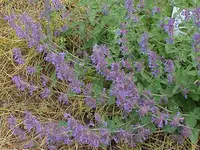
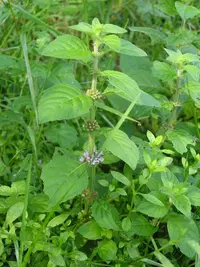
Eastern cat-mint, Nepeta racemosa, is a compact, aromatic perennial in the mint family, commonly grown for its soft gray-green foliage and abundant blue-violet flowers. It often forms low, spreading clumps that create a fine-textured edging or groundcover.
This species is native to rocky slopes and dry habitats in the Caucasus and surrounding regions, which explains its good drought tolerance and preference for well-drained soils. Flowers attract bees and butterflies, while many gardeners value it as a cat-friendly plant.
Nepeta racemosa is generally easy to grow, adapting well to full sun, average garden soil, and modest watering. These traits make it straightforward to care for Eastern Cat-mint in most home gardens.

Care Difficulty
Easy Care

Light Preference
Full Sun

Water Requirements
Low Water

Temperature Preference
Cold Hardy

Hardiness Zone
4–8

Soil Texture
Sandy, Loamy, Rocky

Soil pH
Slightly acidic (6.5–7.0), Slightly alkaline (7.0–7.5)

Soil Drainage
Well-drained

Fertilization
Minimal (feed rarely)
Scan your plant to receive care tips personalized for your specific plant
Available on iOS and Android
Nepeta racemosa performs best in bright, open positions with plenty of direct sun.
Nepeta racemosa prefers moderately dry conditions and is sensitive to waterlogged soil.
This species is a hardy perennial adapted to temperate climates with cold winters and warm summers.
Humidity is rarely critical for Nepeta racemosa, which thrives in relatively dry air.
Nepeta racemosa prefers lean, well-drained soil that does not stay wet after watering or rain.
This species grows well in containers when drainage and root space are carefully managed.
This drought-tolerant perennial needs only light feeding in average garden soil, so focus on modest nutrition rather than rich, frequent fertilization when caring for Eastern Cat-mint.
Pruning Nepeta racemosa maintains a compact shape, supports repeat flowering, and keeps the clump healthy over time.
This perennial is most often grown in garden beds, where it prefers infrequent disturbance but accepts division or transplanting when necessary.
Nepeta racemosa is commonly propagated by division, softwood cuttings, or seeds, giving gardeners several practical options.
This species is generally cold hardy in temperate climates and needs only minimal winter care once established in the ground.

Plant Health Check
Not sure what's wrong with your plant? Check your plant's health inside the app.
This species is native to rocky slopes and dry grasslands in the Caucasus region, which helps explain its natural tolerance to poor, stony soils and relatively low water availability in cultivation.
Unlike some taller catmints, this plant forms a dense mound typically under 30 cm tall and can flower from late spring into late summer when spent flower spikes are regularly removed.
Although related to common catnip, this species usually elicits a weaker behavioral response in domestic cats because its leaves generally contain lower amounts of the volatile compound nepetalactone.

Garden trials in temperate climates have shown that this species maintains flower color and foliage quality well in full sun and alkaline soils, so it is often used in breeding work as a parent for compact, heat-tolerant ornamental catmint cultivars.
Poor flowering usually comes from excess shade, too much nitrogen fertilizer, or old, unpruned stems. Ensure at least partial sun, avoid high-nitrogen feeds, and shear the plant lightly after an early flush to encourage more buds.
Keep your plants happy and healthy with plant identification, disease detection, and easy care guidance.