Anthyllis hamosa Care

Anthyllis hamosa

About Anthyllis hamosa

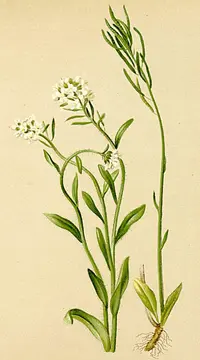
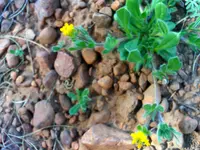
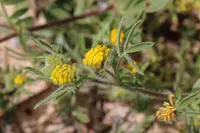
Anthyllis hamosa is a small, herbaceous legume, likely annual, with fine stems and divided leaves that give it a delicate, airy appearance. It typically produces small, clustered flowers that can attract pollinating insects in suitable habitats. This species belongs to dry, open environments in its natural range, often where soils are poor but well drained. Its legume family roots can help it cope with low nutrients, but irregular moisture or heavy, waterlogged soils make it more challenging for beginners. A sunny, open position and gritty soil usually make it easier to care for Anthyllis hamosa in cultivation.

Main Plant Requirements

Care Difficulty

Moderate Care

Light Preference

Full Sun

Water Requirements

Moderate Water

Temperature Preference

Warm Climate

Hardiness Zone

8–11

Soil Texture

Sandy, Loamy, Rocky

Soil pH

Slightly acidic (6.5–7.0), Neutral (7.0)

Soil Drainage

Well-drained

Fertilization

Minimal (feed rarely)

Get Personalized Care Plan

Scan your plant to receive care tips personalized for your specific plant

Available on iOS and Android

How to Care for the Anthyllis hamosa

This sun-loving Mediterranean subshrub flowers best in open, bright positions with limited shade.

  • Provide 6–8 hours of direct sun daily; light morning and early afternoon sun suits Anthyllis hamosa, with only brief light shade in the hottest part of the day.
  • In hotter climates, protect from harsh late-afternoon sun to reduce leaf scorch and faded blooms, using nearby taller plants or light shade cloth.
  • In autumn and winter, ensure an unshaded southern or western exposure so shortening days still give at least 4–5 hours of sun.

This drought-tolerant legume prefers infrequent, deeper watering rather than frequent light applications.

  • Let the top 4–6 cm of soil dry before watering, then soak the root zone thoroughly and allow excess to drain away quickly.
  • During active growth in spring and early summer, monitor for slight leaf droop or dull foliage color as a cue to water, especially in sandy soils.
  • In cool or rainy seasons, water only when soil feels dry well below the surface; pale, swollen stems or persistent wetness indicate overwatering risk.

This species prefers mild, dry conditions and copes better with heat than with prolonged cold.

  • Aim for daytime temperatures of 65–80°F (18–27°C) and slightly cooler nights, which support steady growth and flowering.
  • Mature plants tolerate brief drops to about 25°F (−4°C), but repeated hard frosts below this can damage stems and reduce long-term vigor.
  • In hot spells above 90°F (32°C), ensure soil does not dry to dust; light afternoon shade and airflow help prevent heat stress and leaf scorch.

This species tolerates typical outdoor humidity and does not need special moisture control.

This plant prefers freely draining, moderately fertile, mineral-based soil.

  • Use a sandy or gravelly loam with low to moderate organic matter to mimic its natural habitat.
  • Aim for slightly alkaline to neutral pH, around 7.0–8.0, by incorporating a small amount of garden lime if soil is acidic.
  • Improve drainage and aeration by blending coarse sand or fine grit at 30–50% of the mix, avoiding heavy clay components.
  • Avoid compacted or water-retentive mixes, as these promote root rot and weaken Anthyllis hamosa in wet periods.

This species can be grown in containers outdoors if the potting setup prevents waterlogging.

  • Choose a deep container that allows the taproot to extend down without bending sharply or circling early.
  • Use a heavy, stable pot or add surface gravel so wind and top growth do not tip the container.
  • Ensure excess water exits quickly by combining multiple drainage holes with a gritty, fast-draining substrate rather than a saucer that stays full.

This drought-adapted legume usually needs minimal feeding in open ground, especially in neutral to slightly alkaline soils.

  • For container-grown Anthyllis hamosa, use a balanced, low-strength liquid fertilizer (around 10-10-10) at 1/2–1/4 label dose.
  • Feed every 4–6 weeks only during active growth in spring and early summer.
  • Skip fertilizer in fall and winter to avoid soft, cold-sensitive growth.
  • In poor soils, a thin surface dressing of mature compost in spring is usually sufficient.

Light, well-timed pruning helps maintain shape and flowering without stressing this small legume shrub.

  • Best time is late winter to very early spring, before strong new growth begins.
  • Remove dead, diseased, or storm-damaged stems with clean, sharp hand pruners.
  • Thin crowded inner shoots to improve air flow and light penetration, keeping Anthyllis hamosa compact.
  • Shorten overly long stems by up to 1/3, cutting just above a healthy outward-facing bud.

This species is more often grown in the ground, so focus on careful transplanting and minimal root disturbance.

  • Transplant in early spring or early fall when temperatures are mild and soil is workable.
  • Look for signs such as roots circling the pot, slow growth, or fast-drying soil before shifting a container plant.
  • Move up only 1 pot size, using a free-draining, gritty mix to limit waterlogging and root stress.
  • Water thoroughly after planting, then keep soil just moist while new roots establish, avoiding heavy disturbance of the root ball.

Propagation is usually done from seed, with cuttings as a secondary option for maintaining specific forms.

  • Collect ripe seeds and sow in late winter to spring, using a well-drained, sandy seed mix.
  • Lightly scarify hard seed coats and soak for several hours to improve germination.
  • Keep trays at 60–70°F with moderate light and only slightly moist substrate to limit damping-off.
  • For semi-ripe cuttings in summer, use a gritty mix, apply rooting hormone, and maintain high humidity but good air movement.

This plant is moderately cold hardy but benefits from some simple winter precautions in colder regions.

  • In climates below about 10–15°F, use a 5–8 cm mulch layer around the root zone, keeping it off the stems.
  • Avoid waterlogged soil in winter, which greatly increases root rot risk.
  • Container plants in colder zones can be moved to a cold, bright, frost-free shelter until early spring.

Care Tips

Support floppy stems

Install low, discreet wire hoops or short pea sticks around young plants in late spring so that the fine, spreading stems have support before flowering weight causes them to sprawl or snap in wind.

Encourage dense mounding

Lightly pinch or shear back the soft stem tips once early growth reaches 8–10 cm to encourage branching and a tighter, more compact mound that flowers more evenly.

Optimize air movement

Space plants so foliage just avoids touching at maturity and avoid solid edging on raised beds, as free air flow through the delicate foliage reduces mildew and foliar disease risk when caring for Anthyllis hamosa.

Use mineral mulch

Top-dress around the crown with a thin layer of fine gravel or grit rather than organic mulch to keep the root collar dry, prevent rot, and mimic the well-drained, stony habitats this species favors.

Plan for short lifespan

Treat plants as relatively short-lived perennials and collect seed from the earliest healthy pods each year, then sow in a separate nursery area so there are always young replacements ready as older clumps decline.

Common Pests and Diseases

Sitona weevils

These insects feed on foliage, creating characteristic notches along leaflet edges, and their larvae attack nitrogen-fixing root nodules. Damage can weaken plants in dry, nutrient-poor sites where Anthyllis hamosa is often grown.

Solution

Monitor for feeding notches in spring, then hand-pick adults in small plantings and encourage ground beetle predators by avoiding broad-spectrum insecticides. In field situations, reduce stress by maintaining moderate soil moisture, rotate with non-legume crops, and if necessary use a targeted, labeled insecticide on emerging adults according to local guidelines for legume crops.

Bruchid seed beetles

These insects infest developing seed pods, and larvae tunnel inside seeds, reducing viability and limiting natural reseeding. Symptoms include small exit holes in dried pods and low germination rates.

Solution

Collect and dry seed pods promptly, then clean and store seeds in airtight containers at cool temperatures to disrupt the beetle life cycle. In restoration or seed-production settings, remove and destroy heavily infested pods after harvest and practice crop rotation or spatial separation from older legume stands to lower beetle pressure.

Powdery mildew

This disease causes a white, powdery coating on leaves and young stems, especially in warm, dry conditions with poor air movement. Symptoms include dull, distorted foliage and reduced vigor late in the season.

Solution

Improve air circulation by avoiding overcrowding, and irrigate at soil level rather than overhead to keep foliage dry. Remove and dispose of heavily infected shoots, then, if needed, apply a sulfur or potassium bicarbonate fungicide labeled for ornamental or forage legumes, following all use directions carefully.

Anthracnose

This disease produces dark, sunken lesions on stems, petioles, and sometimes leaflets, which can lead to dieback in dense stands or during humid periods. Symptoms include blighted shoot tips and patchy decline in grouped plants.

Solution

Remove and destroy infected stems to reduce inoculum, and avoid overhead watering, especially in the evening. In production or restoration plots, use clean seed, rotate away from other susceptible legumes, and consider a legume-labeled foliar fungicide during prolonged wet weather when planning how to take care of Anthyllis hamosa.

Interesting Facts

Desert annual specialist

This small legume is an annual species native to arid and semi-arid regions of North Africa and the Middle East, where it completes its entire life cycle rapidly during short favorable moisture periods.

Hooked seed pods

The plant develops distinctly curved or hooked pods that can cling to animal fur or clothing, a dispersal strategy that helps its seeds reach new, often distant, patches of suitable open ground.

Nitrogen-fixing legume

Like many members of the Fabaceae family, it forms root nodules with symbiotic bacteria that fix atmospheric nitrogen, allowing it to grow in nutrient-poor sandy or stony soils and contribute to local soil fertility.

FAQs about Anthyllis hamosa

This species is typically grown as an annual, completing its life cycle in a single growing season. In mild climates it may self-seed, so new plants appear each year without the original plant surviving long term.

Grow Healthy Plants with Botan Care

Keep your plants happy and healthy with plant identification, disease detection, and easy care guidance.

Botan plant care app — identify plants on mobile

Explore More Plants