Bulb Clump Division
Lift and divide crowded clumps every 3–4 years in early spring or just after flowering, replanting only the firm, healthy bulbs to maintain strong flowering and prevent decline.

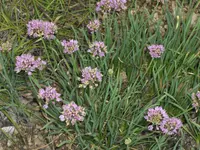
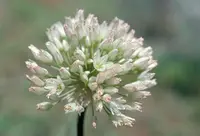
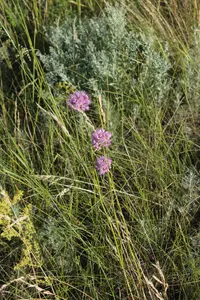
German garlic (Allium lusitanicum) is a compact, clump-forming perennial from the onion family, valued mainly for its ornamental flowers. It produces narrow, grass-like leaves and neat, round clusters of pink to purple blooms on upright stems. In nature it occurs in parts of central and southern Europe, often in sunny, open habitats with well-drained soils. This species is generally undemanding and suits rock gardens, mixed borders, and naturalistic plantings. It tolerates poor soil, short dry spells, and cold winters, which makes it easy to establish in many gardens. Those learning how to care for German Garlic usually focus on providing full sun and avoiding waterlogged conditions.

Care Difficulty
Easy Care

Light Preference
Full Sun

Water Requirements
Moderate Water

Temperature Preference
Cold Hardy

Hardiness Zone
4–8

Soil Texture
Sandy, Loamy, Rocky

Soil pH
Slightly acidic (6.5–7.0), Neutral (7.0)

Soil Drainage
Well-drained

Fertilization
Minimal (feed rarely)
Scan your plant to receive care tips personalized for your specific plant
Available on iOS and Android
Allium lusitanicum prefers bright, open conditions to flower well and stay compact.
This allium prefers relatively dry conditions and is sensitive to waterlogged soil.
This hardy bulb tolerates a wide range of outdoor temperatures but grows best in cool to mild conditions.
Humidity is not a critical factor for Allium lusitanicum, which thrives in relatively dry air.
Allium lusitanicum prefers mineral, well-aerated soil that drains quickly and never stays waterlogged.
This species grows reliably in containers when the potting setup keeps bulbs dry and stable.
Allium lusitanicum needs only modest feeding to support flowering in average garden soil.
Allium lusitanicum benefits from simple, light pruning focused on spent flowers and declining foliage.
This bulbous perennial is usually grown in beds, with transplanting done infrequently and only when needed.
Allium lusitanicum is most commonly propagated by division, with seed used mainly for larger-scale growing.
This hardy bulb tolerates typical outdoor winters in much of the US and needs minimal special care.

Plant Health Check
Not sure what's wrong with your plant? Check your plant's health inside the app.
This species forms dense, low tufts about 15–30 cm tall with upright, grasslike leaves, making it notably more compact than many ornamental alliums and well suited to rock gardens and container culture.
It typically flowers in mid to late summer, producing numerous small, lilac-pink, spherical umbels when many spring alliums are long finished, extending the flowering season for pollinators.
The nectar-rich, open flower structure is highly attractive to bees, hoverflies, and other beneficial insects, and it is recognized in European horticulture as a reliable late nectar source in low-maintenance plantings.

In several European mountain regions, local forms of Allium lusitanicum are valued as ornamental border plants because they combine true cold hardiness with tolerance of alkaline, rocky soils, allowing them to persist for many years in harsh, exposed garden sites with minimal intervention.
Lack of flowering is usually linked to insufficient cold period, bulbs planted too deep or shallow, or overcrowded clumps. Divide congested bulbs, ensure a cool dormant season, and avoid excessive nitrogen, which drives leaves instead of flowers.
Keep your plants happy and healthy with plant identification, disease detection, and easy care guidance.