Staggered Bulb Planting
Plant bulbs in small groups at slightly different depths (about 1–2 cm variation) so flowering is less synchronized and the display lasts longer across the bed.

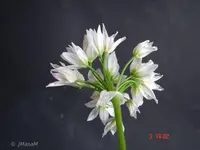
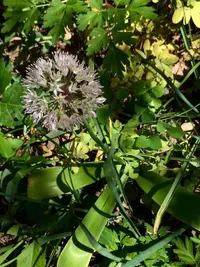
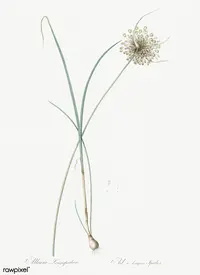
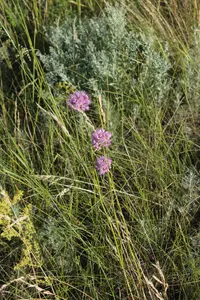
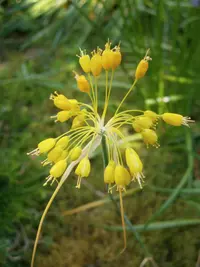
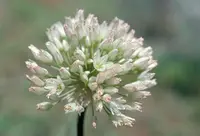
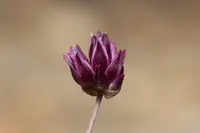
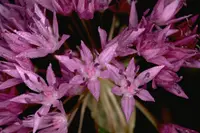
Allium massaessylum is a bulb-forming perennial in the onion family, valued mainly by specialists and collectors rather than as a common garden ornamental. It typically produces slender, upright leaves and a simple flowering stem topped with a modest cluster of small, star-like flowers. Native to limited regions in the Mediterranean, it is adapted to dry, open habitats with well-drained soils. This background makes it generally suited to sunny positions, lean mineral soils, and moderate to low moisture, especially in winter. For gardeners interested in how to care for Allium massaessylum, the key traits are its need for good drainage, a pronounced dry rest, and protection from waterlogged conditions.

Care Difficulty
Moderate Care

Light Preference
Full Sun

Water Requirements
Moderate Water

Temperature Preference
Warm Climate

Hardiness Zone
Unknown

Soil Texture
Sandy, Loamy

Soil pH
Slightly acidic (6.5–7.0)

Soil Drainage
Well-drained

Fertilization
Minimal (feed rarely)
Scan your plant to receive care tips personalized for your specific plant
Available on iOS and Android
This bulb prefers bright exposure with several hours of direct sun for strong flowering and sturdy stems.
This species prefers relatively dry conditions and is sensitive to standing water around the bulbs.
This bulb is adapted to temperate climates and handles cool winters if the soil drains freely.
This bulb tolerates typical indoor humidity, so humidity control is rarely critical for Allium massaessylum.
Allium massaessylum needs a sharply drained, light soil to keep the bulbs dry and healthy.
This species can be grown in containers if drainage and bulb depth are managed carefully.
This bulb is adapted to fairly lean soils, so fertilization for Allium massaessylum should stay light and focused on the active growing season.
Pruning needs for Allium massaessylum are minimal and focus on hygiene rather than shaping.
This ornamental allium is more often transplanted in garden beds than kept long term in containers.
Propagation is usually done by bulb division, with seed used mainly for longer-term population increase.
This hardy bulb typically needs little winter attention in most temperate gardens.

Plant Health Check
Not sure what's wrong with your plant? Check your plant's health inside the app.
Allium massaessylum is a narrowly distributed wild onion known only from parts of the central and western Balkan Peninsula, where it grows as a geophyte, a plant that survives unfavorable seasons as an underground bulb.
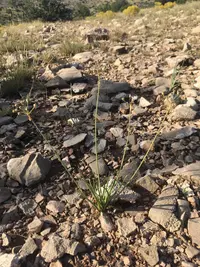
This species is associated with dry, rocky slopes and calcareous substrates rich in lime, often occurring in open habitats where competition from taller vegetation is limited.
The plant forms small, tunicate bulbs with a smooth protective outer layer and produces a relatively slender, leafless flowering scape that elevates the inflorescence above low surrounding vegetation.
Lack of flowers often comes from bulbs planted too shallow, overcrowding, or insufficient cold during winter. Heavy shade and excessive nitrogen fertilizer also reduce blooming. Divide congested clumps, ensure proper planting depth, and allow a cool dormant period.
Keep your plants happy and healthy with plant identification, disease detection, and easy care guidance.