Allium lineare Care

Allium lineare

About Allium lineare

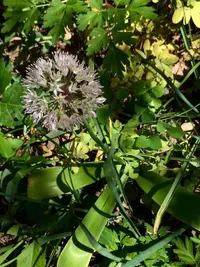
Allium lineare is a small bulb-forming perennial in the onion family, valued for its narrow, grass-like leaves and delicate, star-shaped flowers. It typically forms low clumps and sends up slender flowering stems, giving a fine-textured, airy look in rock gardens or naturalistic plantings.

This species occurs naturally in parts of Europe and Asia, often in open, sunny, and well-drained habitats. It is generally tough and cold-hardy, which makes it relatively easy to establish where winters are cool.

The plant prefers full sun, low to moderate moisture, and soils that do not stay wet for long. Understanding how to care for Allium lineare mainly involves providing good drainage and avoiding heavy, waterlogged substrates.

Main Plant Requirements

Care Difficulty

Easy Care

Light Preference

Full Sun

Water Requirements

Low Water

Temperature Preference

Cold Hardy

Hardiness Zone

3–8

Soil Texture

Sandy, Loamy, Rocky

Soil pH

Slightly acidic (6.5–7.0), Neutral (7.0)

Soil Drainage

Well-drained

Fertilization

Minimal (feed rarely)

Get Personalized Care Plan

Scan your plant to receive care tips personalized for your specific plant

Available on iOS and Android

How to Care for the Allium lineare

This hardy bulb prefers bright, open sites with plenty of direct sun for compact, sturdy growth.

  • Provide 6–8 hours of direct sun daily; full sun from morning to mid‑afternoon gives best flowering for Allium lineare.
  • It tolerates light partial shade, especially in the afternoon, but expect fewer and weaker flower stems if daily sun falls below 4–5 hours.
  • In hot southern climates, give morning sun with light afternoon shade to reduce leaf scorch and soil overheating during peak summer months.

This species prefers dry to moderately dry conditions and is sensitive to prolonged soil moisture.

  • Water only when the top 3–5 cm of soil are completely dry; foliage that yellows from the tips downward with soft bulbs often indicates overwatering.
  • Ensure sharply drained, gritty or sandy soil so water passes through within a few seconds and never leaves the bulbs sitting in puddles.
  • Reduce watering sharply after flowering and almost stop once foliage dies back, resuming only when new growth emerges in the next season.

This bulb is naturally cold tolerant and suited to temperate outdoor climates with distinct seasons.

  • Active growth is strongest around 55–70°F (13–21°C), with flowering and foliage development well supported in cool to mild spring conditions.
  • Dormant bulbs tolerate winter lows down to about 0°F (−18°C) in well‑drained soil, but repeated freeze‑thaw in wet ground increases rot risk.
  • Established plants handle dry summer heat up to about 85–90°F (29–32°C) if soil stays free‑draining; extreme, humid heat can shorten the flowering period.

Humidity is not a significant factor for Allium lineare, which thrives in dry to moderately humid air.

Allium lineare prefers lean, well-drained mineral soil that does not stay wet after rainfall or watering.

  • Use sandy or gritty loam with low to moderate organic matter to mimic its natural rocky habitat.
  • Aim for slightly alkaline to neutral pH, around 6.8–7.5, avoiding strongly acidic mixes.
  • Improve drainage and aeration by blending 30–50% coarse sand or fine gravel into the planting area.
  • Avoid heavy clay, compacted sites, or any soil that forms puddles, which encourages bulb rot.

This species is suitable for container growing when drainage and depth are carefully managed.

  • Choose a deep pot, at least 20–25 cm tall, to provide vertical space for bulbs and roots to extend.
  • Use a very free-draining mix, such as 50% gritty sand or fine gravel in potting soil, to prevent waterlogging around bulbs.
  • Select unglazed clay or terracotta containers to allow excess moisture to evaporate more quickly in wet climates.

This species is adapted to lean soils, so Allium lineare benefits from only light, targeted feeding in cultivation.

  • Use a balanced, slow-release fertilizer (around 10-10-10) or a thin layer of mature compost in early spring as growth begins.
  • Feed once more in mid-season if foliage looks pale or growth is weak, avoiding heavy applications that cause lush, floppy leaves.
  • Apply liquid fertilizer at half strength on moist soil to limit root burn and nutrient shock.
  • Stop feeding in late summer so bulbs can harden and enter dormancy naturally over fall and winter.

Allium lineare needs minimal pruning, mainly to keep clumps tidy and reduce disease risk.

  • Cut back spent flower stalks at the base after blooming to prevent unwanted self-seeding and to tidy the plant.
  • Remove any yellowing, damaged, or diseased leaves during the growing season using clean, sharp scissors or hand pruners.
  • Allow foliage to die back naturally, then trim it to soil level once fully dry so bulbs can store energy first.
  • Avoid heavy cutting during active growth, which can reduce flowering and weaken bulbs over time.

In gardens, Allium lineare is usually handled as a bulb for transplanting rather than a container plant needing frequent repotting.

  • Check clumps every 3–4 years; crowded bulbs, small flower heads, or weak growth indicate a need for lifting and division.
  • Transplant in late summer to early fall, after foliage has died back and bulbs are dormant for minimal stress.
  • Lift bulbs gently with a fork, tease apart offsets, and replant at roughly 2–3 times bulb depth in well-drained soil.
  • Replant promptly, keep roots shaded and slightly moist during handling, and water lightly after planting to settle soil without waterlogging.

Allium lineare is commonly propagated by bulb division and, less often, by seed under suitable conditions.

  • Divide mature clumps in late summer or early fall when the plant is dormant and foliage has fully withered.
  • Lift bulbs carefully, separate naturally formed offsets, and replant them at the same depth and spacing as the parent bulbs.
  • For seed, sow fresh in fall in a free-draining mix outdoors; natural winter chilling improves germination.
  • Keep seed trays bright and evenly moist, then grow seedlings on for 2–3 years before flowering size is reached.

Established Allium lineare bulbs are generally cold hardy and need little winter care in most temperate climates.

  • In the ground, leave dormant bulbs in place; normal winter cold is tolerated if soil drains well.
  • Apply a light mulch layer (2–5 cm) in colder regions to buffer freeze–thaw cycles around the bulbs.
  • For containers, move pots to a sheltered, unheated area and keep the medium only slightly moist to avoid rot.

Care Tips

Bulb spacing strategy

Plant bulbs in small drifts with 8–10 cm between bulbs to reduce competition for nutrients and create better air flow that limits foliar disease.

Mark dormant spots

Place discreet labels or small gravel markers where clusters are planted so you do not disturb or accidentally dig up bulbs when the foliage has fully died back in summer.

Seed head management

Allow a few flower heads to mature and dry if you want self-seeding, but remove most spent umbels to prevent overcrowding and to direct energy back into the bulbs.

Companion planting use

Grow this species among low, open perennials or fine-textured grasses so nearby plants can support the narrow stems in windy sites without casting heavy shade.

Lifting and division

Every 3–4 years, lift and divide congested clumps in late summer after foliage senesces, replanting only the firm, healthy bulbs to maintain flowering quality when growing Allium lineare.

Common Pests and Diseases

onion fly

This pest lays eggs at the base of the plant, and the larvae tunnel into bulbs and young stems, causing yellowing and collapse of leaves.

Solution

Use fine insect mesh over beds from early spring to prevent egg-laying, rotate plantings away from previous Allium beds, and promptly remove and destroy infested plants and bulbs to reduce populations; in heavy infestations, apply a soil drench or granules containing an appropriate insecticide targeted at soil-dwelling larvae, following label directions.

leek moth

This pest causes windowed, ragged leaves as larvae mine inside foliage and sometimes damage developing bulbs, reducing vigor and flowering.

Solution

Cover plants with insect netting during moth flight periods, remove and destroy mined leaves as soon as damage is noticed, and keep nearby Allium debris cleaned up; for severe pressure, use a biological insecticide containing Bacillus thuringiensis (Bt) sprayed on foliage in the evening when larvae are active.

downy mildew

This disease produces pale patches on leaves that later develop into gray-violet, fuzzy growth, leading to leaf distortion and dieback in humid, cool conditions.

Solution

Increase spacing and airflow, avoid overhead irrigation, and water early in the day so foliage dries quickly; remove and discard infected leaves, and in climates with repeated outbreaks consider using a labeled copper or fosetyl-Al fungicide preventively when cool, damp weather is forecast.

neck rot

Symptoms include softening and sunken areas near the neck of harvested bulbs, followed by gray moldy growth and progressive bulb decay during storage.

Solution

Cure bulbs thoroughly after lifting by drying them in a warm, airy place for 10–14 days, avoid injuring bulbs during harvest, and store only firm, healthy bulbs in a cool, dry, well-ventilated area; discard all suspected bulbs and rotate planting sites to reduce inoculum in the soil as part of broader Allium lineare care instructions.

onion thrips

These insects rasp leaf surfaces, causing silvery streaks, tiny black specks of frass, and gradual leaf drying that can weaken clumps in hot, dry weather.

Solution

Rinse foliage with a firm spray of water to dislodge thrips, encourage natural predators by avoiding broad-spectrum insecticides, and use reflective mulch or light-colored ground covers to make it harder for thrips to locate plants; if needed, apply a targeted insecticidal soap or neem oil to leaf undersides, repeating at 5–7 day intervals until populations drop.

Interesting Facts

Narrow, threadlike foliage

This species is named for its very slender, linear leaves, which are much narrower than those of many other wild Allium species and give the plant a fine, grasslike appearance in its native steppe and meadow habitats.

Broad Eurasian range

Allium lineare occurs naturally across a wide band of Eurasia, from parts of central and eastern Europe through Siberia and Central Asia, adapting to open, often dry habitats at various altitudes.

Edible wild onion

In parts of its native range, the bulbs and leaves of Allium lineare are traditionally used as a mild wild onion or chive-like seasoning, reflecting a long history of local foraging and use as a condiment.

Botan icon

Did you know?

Allium lineare has been treated under several closely related names in regional floras, and modern taxonomic work often uses detailed morphological characters such as leaf cross-section shape, scape thickness, and tepal proportions to distinguish it from similar Eurasian wild onions in the Allium sect. Rhizirideum group.

FAQs about Allium lineare

This species is attractive to many pollinators. The nectar-rich flowers draw bees, hoverflies, and some butterflies. Planting several bulbs together creates a stronger visual and scent signal, increasing visits and improving pollination in the surrounding garden.

Grow Healthy Plants with Botan Care

Keep your plants happy and healthy with plant identification, disease detection, and easy care guidance.


Botan plant care app — identify plants on mobile

Explore More Plants