bear oak Care (Quercus ilicifolia)

Also known as: Scrub Oak
bear oak

About bear oak

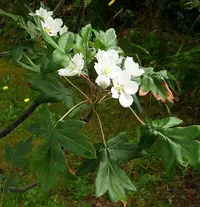
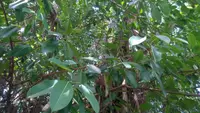
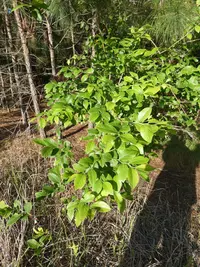
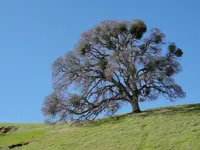
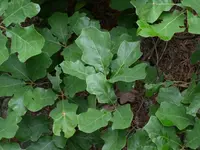
Bear oak, Quercus ilicifolia, is a small, slow-growing shrub oak native to rocky, nutrient-poor slopes in eastern North America. It often forms dense thickets rather than a single tall tree. Leaves are small, thick, and often evergreen-like in appearance, helping the plant tolerate wind and harsh sun. The species is very cold-hardy and adapted to fire-prone, dry habitats, which makes it quite tough once established. It suits naturalistic landscapes and restoration plantings more than formal gardens. Those who want to learn how to care for bear oak should know it prefers full sun, well-drained acidic soil, and does best with minimal disturbance.

Main Plant Requirements

Care Difficulty

Moderate Care

Light Preference

Full Sun

Water Requirements

Low Water

Temperature Preference

Cold Hardy

Hardiness Zone

4–6

Soil Texture

Sandy, Loamy, Rocky

Soil pH

Strongly acidic (4.5–5.5), Acidic (5.5–6.5)

Soil Drainage

Well-drained

Fertilization

Minimal (feed rarely)

Get Personalized Care Plan

Scan your plant to receive care tips personalized for your specific plant

Available on iOS and Android

How to Care for the bear oak

This scrub oak thrives in open, bright sites with strong direct light.

  • Provide 6–10 hours of direct sun daily; full sun exposure promotes dense, compact growth and good fall color in bear oak.
  • Tolerates light or partial shade (around 3–4 hours sun), but plants in shade grow looser, with fewer acorns and more disease susceptibility.
  • In hot inland areas, afternoon sun can be intense; young plants benefit from light afternoon shade, while mature shrubs handle full exposure year-round.

This species is drought-tolerant once established and prefers slightly dry, well-drained soils.

  • In the first 1–2 years after planting, water deeply when the top 5–8 cm of soil feels dry, then allow it to drain fully.
  • Mature Quercus ilicifolia usually needs supplemental water only during prolonged dry spells; leaves dulling, curling, or wilting signal the need for a slow soak.
  • Avoid poorly drained or compacted soils; yellowing leaves, dieback, and persistent surface moisture indicate overwatering or inadequate drainage.

This hardy oak is adapted to cold winters and warm summers in temperate climates.

  • Active growth is best around 60–80°F (16–27°C), typical of late spring through early fall in many regions.
  • Fully dormant plants tolerate at least -20°F (-29°C) once established, making them suitable for regions with severe winter frost and snow cover.
  • Heat tolerance extends to about 90–95°F (32–35°C) if soil is not waterlogged; young plants benefit from mulch to buffer root temperatures year-round.

This oak tolerates a broad humidity range and rarely needs special humidity management outdoors.

This shrub oak prefers lean, well-drained, sandy or gravelly soil that mimics its native rocky habitats.

  • Use a sandy or sandy-loam mix with 20–30% mineral grit such as coarse sand or fine gravel to prevent waterlogging.
  • Maintain slightly acidic to acidic pH, around 4.5–6.0, since Quercus ilicifolia naturally occurs on acidic sites.
  • Incorporate only modest organic matter, such as a thin layer of compost, to avoid overly rich, moisture-retentive conditions.
  • Avoid compacted clay, standing water, and thick mulch layers that reduce aeration and promote root rot.

This species can be grown in containers for a limited period, mainly as a juvenile shrub or for restoration projects.

  • Choose a deep, heavy container that resists tipping as the woody stems become taller and more top-heavy.
  • Use a fast-draining, sandy substrate and elevate the pot slightly so drainage holes clear the ground and water exits quickly.
  • Position the container where intense sun and wind reach it, since sheltered, shaded placements can cause weak, etiolated growth.

Native and adapted to poor soils, bear oak usually needs no fertilizer once established outdoors.

Quercus ilicifolia benefits from light structural pruning to maintain a healthy, open crown.

  • Prune in late winter or very early spring before bud break, avoiding heavy cuts in active growth.
  • Remove dead, diseased, crossing, or inward-growing branches using clean, sharp bypass pruners or a pruning saw.
  • Thin crowded interior twigs to improve air flow and light penetration, which supports healthier foliage.
  • Limit pruning on mature trees to minor corrections to reduce stress and preserve natural form.

This oak is usually field-grown, so care focuses on transplanting young plants from containers to the landscape.

  • Plan transplanting for early spring or early fall when temperatures are mild and soil is workable.
  • Look for circling roots at drainage holes or slow, stalled growth as signs a container plant is pot-bound.
  • Shift only 1 pot size up, gently loosen circling roots, and keep the original soil level at the same height.
  • Water deeply after planting, then maintain even moisture for the first season to reduce transplant shock.

Propagation of Quercus ilicifolia is typically done from seed and requires patience and specific conditions.

  • Collect mature acorns in fall, discarding any that float in water, which often indicates poor viability.
  • Provide cold stratification at about 34–40°F for 8–12 weeks by storing moist acorns in a ventilated bag.
  • Sow in deep pots or nursery beds with well-drained, sandy media, covering seeds roughly 1–2 in deep.
  • Keep soil lightly moist and protect seedlings from root disturbance, since young oaks form sensitive taproots.

This species is naturally cold hardy in much of its native range and usually needs minimal winter care outdoors.

  • Apply a 5–8 cm mulch layer over the root zone in late fall, keeping it a few cm away from the trunk.
  • Avoid heavy winter pruning that exposes large fresh cuts to freeze–thaw cycles.
  • Place container-grown plants in a sheltered, unheated but frost-moderated spot and monitor soil moisture.

Care Tips

Encourage Dense Thickets

Cut back a few older stems to the base every 2–3 years to stimulate new basal shoots and maintain the dense, multi-stemmed form that supports wildlife and protects the plant from wind exposure.

Acorn Production Management

If the goal is acorn production, thin out heavily crowded stems and remove weak, shaded branches so remaining shoots receive more light and resources, which improves flowering and nut set over several seasons.

Heat And Drought Hardening

In the first 2–3 years, reduce irrigation gradually each late spring so roots are encouraged to grow deeper, improving long-term drought tolerance without letting the soil stay bone-dry for extended periods.

Post-Fire Or Cutback Recovery

After a severe cutback or site burn, mark and protect new sprouts from mowing, browsing, and foot traffic for at least 2–3 seasons so the shrub can rebuild a strong, multi-stemmed structure from its root system.

Browse Protection Strategy

In areas with deer or rabbits, install sturdy 90–120 cm-tall wire cages around young plants and keep competing vegetation trimmed inside the cage, which both reduces browsing and directs more resources to shoot and root growth when growing bear oak.

Common Pests and Diseases

Oak leaf blister

This disease causes raised, blister-like, pale green to brown spots on leaves, which can lead to puckering and early leaf drop in heavy infections.

Solution

Rake and discard fallen leaves to reduce overwintering spores, and avoid overhead irrigation that keeps foliage wet for long periods. In landscape settings, fungicide sprays are rarely needed for Quercus ilicifolia care; focus on keeping the plant unstressed with proper watering and avoiding unnecessary pruning during wet weather.

Oak anthracnose

This disease leads to irregular brown blotches along leaf veins, leaf curling, and sometimes dieback of young shoots during cool, wet springs.

Solution

Prune out and destroy infected twigs during dry weather and remove fallen leaves to lower inoculum levels. Improve air circulation by avoiding overcrowding, and if the plant regularly suffers severe damage, consult a local arborist about well-timed fungicide applications in early spring.

Oak leafroller

These caterpillars roll or tie oak leaves with silk and feed inside, causing defoliation, ragged foliage, and visible frass within the rolled leaves.

Solution

Hand-remove and destroy rolled leaves where practical, especially on smaller plants, and encourage natural predators by avoiding broad-spectrum insecticides. In outbreak years, a targeted Bacillus thuringiensis (Bt) product applied when larvae are small can help reduce damage while minimizing impact on beneficial insects.

Gypsy moth

This pest can cause heavy defoliation as larvae feed aggressively on foliage in late spring, sometimes leaving branches temporarily bare.

Solution

Physically remove and destroy egg masses from trunks and nearby surfaces during fall and winter, and use burlap bands on stems in late spring to trap migrating caterpillars. In larger outbreaks, community-level management, including targeted biological treatments like Bt at the correct larval stage, is often the most effective approach.

Oak leaf skeletonizer

These larvae feed between leaf surfaces, leaving a thin, papery skeletonized leaf that turns brown and may drop early.

Solution

Prune and dispose of heavily infested twigs and leaves to interrupt the life cycle, and avoid nighttime lights near young plants that can attract adult moths. Where damage is recurring and significant, a horticultural oil or Bt spray timed to early larval stages can lower populations while preserving most beneficial insects.

Interesting Facts

Fire-adapted resprouter

Bear oak readily resprouts from its root crown after fire, allowing it to persist and even dominate in frequently burned scrub and barrens habitats along the northeastern US coastal plain and Appalachians.

Keystone for rare fauna

Its dense thickets and acorn crops provide crucial habitat and food for specialized wildlife, including several rare moth and butterfly species that rely on bear oak foliage as larval host material.

Specialist acorn dispersers

The small, tannin-rich acorns are heavily used by blue jays and small mammals, which cache them in shallow soil; many forgotten caches germinate, helping the species colonize open, disturbed sites and maintain scrub oak barrens.

Botan icon

Did you know?

Bear oak is one of the primary host plants for the federally endangered Karner blue butterfly (Lycaeides melissa samuelis) in parts of its range, because the open, sandy, scrub-oak barrens that support this oak also create the precise microhabitat the butterfly’s wild lupine food plant requires.

FAQs about bear oak

Growth is relatively slow to moderate. Young plants often add about 15–30 cm per year, sometimes more on warm, exposed sites with well-drained, acidic soil. Poor, compacted, or very dry soils reduce extension growth noticeably.

Grow Healthy Plants with Botan Care

Keep your plants happy and healthy with plant identification, disease detection, and easy care guidance.

Botan plant care app — identify plants on mobile

Explore More Plants