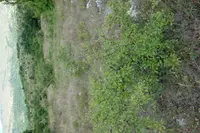
Lebanese Wild Apple Care (Eriolobus trilobatus)

Lebanese Wild Apple

About Lebanese Wild Apple

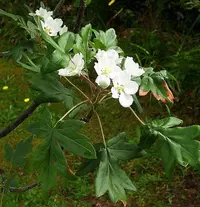
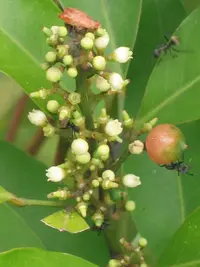
Lebanese wild apple, Eriolobus trilobatus, is a small deciduous tree or large shrub in the rose family, related to cultivated apples. It typically forms a rounded crown with lobed leaves and small, white spring blossoms followed by modest, apple-like fruits.

This species is native to mountainous regions of the Eastern Mediterranean, especially Lebanon and nearby areas, where it grows on rocky slopes and open woodland edges. It is generally hardy and tolerant of poor, stony soils, which makes it relatively resilient once established.

For gardeners, it is moderately easy to grow as long as it receives good light, cool to mild conditions, and well-drained soil. Understanding these natural preferences helps clarify how to care for Lebanese Wild Apple in a home garden or landscape.


Main Plant Requirements

Care Difficulty

Moderate Care

Light Preference

Full Sun

Water Requirements

Moderate Water

Temperature Preference

Cold Hardy

Hardiness Zone

5–8

Soil Texture

Loamy, Sandy, Clay

Soil pH

Acidic (5.5–6.5), Slightly acidic (6.5–7.0)

Soil Drainage

Well-drained

Fertilization

Minimal (feed rarely)

Get Personalized Care Plan

Scan your plant to receive care tips personalized for your specific plant

Available on iOS and Android

How to Care for the Lebanese Wild Apple

This species prefers full sun in temperate climates but tolerates some light shade.

  • Provide 6–8 hours of direct sun daily, with morning sun and light afternoon shade ideal in hotter regions for Lebanese Wild Apple.
  • Young trees benefit from some filtered light during the first 1–2 summers to reduce leaf scorch and transplant stress.
  • In denser shade, flowering and fruiting decline; in very exposed, hot sites, combine mulching with slight afternoon shade to limit stress.

This species prefers evenly moist but never waterlogged soil once established outdoors.

  • Water when the top 3–5 cm of soil feels dry, applying a deep soak rather than frequent light splashes to encourage a strong root system.
  • In the first 2–3 growing seasons, increase checks during hot, windy periods; reduce watering in cool, wet weather and during winter dormancy.
  • Ensure free-draining soil or a slight slope to prevent standing water; yellowing soft leaves suggest overwatering, while curling or crisp leaf edges indicate drought stress in Eriolobus trilobatus.

This hardy tree tolerates a wide temperature range typical of temperate climates.

  • Active growth is best at 60–77°F (16–25°C), similar to many temperate fruit trees during spring and early summer.
  • Dormant trees withstand cold down to about 0°F (−18°C) once established, though young plants benefit from protection during severe freezes.
  • Mature plants handle summer heat up to about 90–95°F (32–35°C) if soil moisture is adequate; prolonged extremes outside these ranges can reduce flowering and fruit set.

This species tolerates a wide humidity range and usually does not need special humidity management outdoors.

  • Ideal humidity is 30–60%, which suits most temperate outdoor climates where Lebanese Wild Apple is grown.
  • Trees tolerate relatively dry air if soil moisture is steady, but prolonged hot, dry winds can stress young plants.
  • Low humidity stress shows as curled, slightly scorched leaf edges; provide a windbreak or temporary shade during dry heat spells.

This species prefers moderately fertile, well-structured mineral soil that drains freely yet holds some moisture.

  • Use a loamy soil with a mix of sand, silt, and some clay, enriched with 10–20% mature compost for structure and nutrients.
  • Aim for slightly acidic to neutral pH around 6.0–7.5, avoiding strongly acidic or calcareous sites that can limit nutrient availability.
  • Ensure free drainage by avoiding compacted or waterlogged ground; on heavy clay, plant on a low mound and mix in coarse sand or fine gravel.
  • Improve aeration by incorporating organic matter and avoiding frequent traffic over the root zone, which compresses soil pores and reduces oxygen.

This species can be grown in containers when young, though it is better suited to long-term planting in the ground.

  • Choose a deep, heavy container that resists tipping, as the woody framework becomes top-heavy in wind-exposed sites.
  • Select a potting mix that combines loam-based soil with coarse sand or grit to keep water moving away from the root collar.
  • Elevate the container slightly on feet or bricks so drainage holes remain clear and runoff does not pool under the pot.

This wild apple is adapted to low-fertility soils and often needs little or no fertilizer once established.

  • For young or container plants, use a balanced slow-release fertilizer (around 10-10-10) in early spring.
  • Apply lightly at 1/2 label strength to avoid soft, weak growth and salt buildup.
  • Supplement with compost around the drip line to improve soil structure rather than push rapid growth.
  • Skip feeding in late fall and winter, when Lebanese Wild Apple is dormant.

Pruning Eriolobus trilobatus focuses on structural health and light penetration rather than heavy shaping.

  • Carry out main pruning in late winter or very early spring before bud break.
  • Remove dead, diseased, crossing, or inward-growing branches to reduce disease risk and improve airflow.
  • Thin crowded interior shoots to allow more light into the canopy and encourage strong framework branches.
  • Use clean, sharp bypass pruners or a pruning saw, making cuts just outside the branch collar.

This species is usually grown in the ground, so care focuses on correct transplanting rather than frequent repotting.

  • Transplant bare-root or container-grown trees in late fall or early spring while dormant.
  • Look for roots circling the pot or poor vigor as signs a nursery plant needs a larger planting space.
  • Loosen or tease apart circling roots before planting, then spread them outward in a wide, shallow hole.
  • Water deeply after planting, mulch the root zone, and keep soil evenly moist to limit transplant shock.

Propagation of Eriolobus trilobatus is mainly done from seed, with grafting used where specific traits are desired.

  • Collect ripe fruits in autumn, clean the seeds, and use cold stratification at 34–41°F for 2–3 months.
  • Sow stratified seeds in a free-draining, slightly moist medium and keep in cool, bright conditions.
  • Shield young seedlings from intense sun and drying winds until roots are well developed.
  • Grafting onto compatible rootstocks in late winter can improve vigor and site adaptability.

This hardy deciduous tree tolerates typical outdoor winters in most temperate climates and needs minimal special care.

  • In colder regions, apply 5–8 cm of organic mulch around the root zone, keeping it away from the trunk.
  • Young or newly planted trees benefit from a breathable trunk wrap to limit sunscald and frost cracks.
  • Container-grown specimens in very cold zones should be moved to a sheltered, unheated but frost-moderated spot.

Care Tips

Early framework training

In the first 3–5 years, select 3–5 well-spaced scaffold branches and remove steep, crossing, or inward-growing shoots to build an open, goblet-shaped crown that supports good light penetration and air flow for long-term health.

Deep staking support

On windy or exposed sites, install 1–2 sturdy stakes on the windward side and secure the trunk with a flexible tree tie in a loose figure-eight, checking yearly to loosen or remove the support as the trunk thickens to prevent girdling.

Root competition control

Keep a clear mulch ring with no turf or vigorous groundcovers at least 60–90 cm from the trunk so the young tree does not compete with grass roots for water and nutrients.

Copper for canker prevention

In areas with a history of apple canker or fire blight, apply a copper-based dormant spray to the trunk and main branches in late winter to reduce pathogen load before spring growth begins.

Wildlife and browse protection

Use a breathable trunk guard and, where deer or rabbits are common, a 1.2–1.5 m tall wire mesh cylinder spaced a few cm from the bark to protect the young tree from bark stripping and shoot browsing while growing Lebanese Wild Apple outdoors.

Common Pests and Diseases

Apple scab

This disease causes dark, velvety spots on leaves and fruit, which can crack and distort as they enlarge. Symptoms include early leaf drop and blemished, unsellable fruit.

Solution

Remove and dispose of fallen leaves and mummified fruit in autumn to reduce the source of spores, and avoid overhead watering that keeps foliage wet for long periods. In areas with a history of scab on Eriolobus trilobatus, use scab-resistant nearby pollinators where possible and apply a sulfur or potassium bicarbonate fungicide preventively at bud break and during prolonged wet, cool weather following label directions.

Fire blight

This disease causes sudden blackening and wilting of blossoms, shoots, and sometimes young branches, which often appear scorched and may bend into a characteristic shepherd’s crook. Symptoms include oozing amber droplets on infected tissues in warm, humid weather.

Solution

Prune out infected shoots at least 20–30 cm below visible symptoms during dry weather, disinfecting tools between each cut with alcohol or a 10% bleach solution. Avoid high-nitrogen fertilization and heavy summer pruning that stimulate lush, susceptible growth, and in areas with a history of fire blight, consider preventive copper or biological bactericide sprays at bloom according to local guidelines.

Powdery mildew

This disease produces a white, powdery coating on young leaves, shoots, and sometimes fruit, leading to distorted growth and reduced vigor. Symptoms include stunted new shoots and leaves that curl or become misshapen.

Solution

Improve air circulation by thinning crowded branches and avoiding dense, shaded plantings, and remove heavily infected shoots during dry weather. During periods of warm, dry days with cool nights, apply a suitable fungicide such as sulfur or horticultural oil at the first sign of symptoms, ensuring thorough coverage of new growth.

Codling moth

This pest tunnels into developing fruit, leaving small entry holes and brown, crumbly frass inside. These insects reduce usable yield and can cause premature fruit drop.

Solution

Collect and destroy infested or fallen fruit through the season to reduce the next generation, and use corrugated cardboard bands around trunks to trap migrating larvae, removing and disposing of the bands before adult emergence. In larger plantings, time applications of targeted products such as spinosad or granulosis virus based on local degree-day models and trap captures for more precise Eriolobus trilobatus care instructions.

Apple aphids

These insects cluster on tender shoots and leaf undersides, sucking sap and causing curled, sticky, and distorted leaves. This pest also excretes honeydew, which can lead to sooty mold on leaves and fruit surfaces.

Solution

Encourage natural predators such as lady beetles by minimizing broad-spectrum insecticides, and wash colonies from shoots with a firm stream of water on small trees. For persistent infestations, use horticultural soap or light horticultural oil, applied thoroughly to leaf undersides and young shoots, repeating as needed according to label directions.

Interesting Facts

Relict Caucasus species

This wild apple is native to the mountains of Lebanon, Syria, and parts of the eastern Mediterranean, where it survives as a relict species of ancient mixed forests in rocky, high-elevation habitats.

Distinctive three-lobed leaves

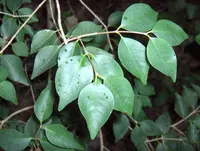
Unlike most wild apples, it often has shallowly three-lobed leaves, a trait reflected in the species name trilobatus and useful for distinguishing it from other Malus and Sorbus relatives in the field.

Small, tart wild fruit

The tree bears small, yellowish to red-tinged apples that are usually too sour to eat fresh but provide an important seasonal food source for local wildlife, including birds and small mammals.

FAQs about Lebanese Wild Apple

This species grows slowly to moderately, usually adding 20–35 cm of height per year under good conditions. Growth is faster in deep, well-drained, moderately moist soil and in regions with cool winters and mild, not overly hot, summers.

Grow Healthy Plants with Botan Care

Keep your plants happy and healthy with plant identification, disease detection, and easy care guidance.

Botan plant care app — identify plants on mobile

Explore More Plants