Antidesma ghaesembilla Care

Antidesma ghaesembilla

About Antidesma ghaesembilla

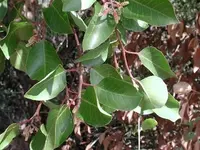
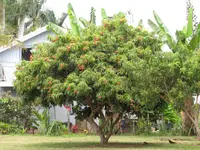
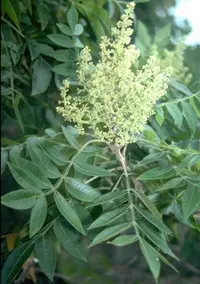
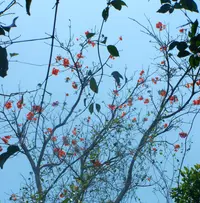
Antidesma ghaesembilla is a small tropical tree or large shrub known for its dense foliage and clusters of small, bead-like fruits that ripen from green to deep red or black. It typically forms a bushy crown and can be used as a fruiting hedge or small landscape tree in warm climates.

This species is native to South and Southeast Asia and thrives in hot, humid, lowland areas, often along forest edges or disturbed sites. It prefers full sun to light shade, reasonably moist but well-drained soil, and tends to be fairly resilient once established, so basic knowledge of how to care for Antidesma ghaesembilla is usually enough for successful cultivation.


Main Plant Requirements

Care Difficulty

Moderate Care

Light Preference

Full Sun

Water Requirements

Moderate Water

Temperature Preference

Tropical / Frost Sensitive

Hardiness Zone

11–12

Soil Texture

Sandy, Loamy, Organic-rich

Soil pH

Acidic (5.5–6.5), Slightly acidic (6.5–7.0)

Soil Drainage

Moist but well-drained

Fertilization

Minimal (feed rarely)

Get Personalized Care Plan

Scan your plant to receive care tips personalized for your specific plant

Available on iOS and Android

How to Care for the Antidesma ghaesembilla

This tropical shrub prefers bright outdoor exposure with protection from harsh extremes.

  • Provide 4–6 hours of direct morning sun with light afternoon shade, or bright filtered light under taller trees in hot climates.
  • It tolerates partial shade (around 3–4 hours of direct or dappled sun), but dense shade reduces flowering and fruiting of Antidesma ghaesembilla.
  • In very hot summers, limit intense afternoon sun to prevent leaf scorch, while in cooler seasons allow more open sun to support vigorous growth.

This species prefers steadily moist, freely draining soil rather than prolonged dryness or standing water.

  • Water when the top 3–5 cm of soil feels dry, aiming for deep soaking that moistens the root zone instead of light, frequent splashes.
  • Use well-drained, loamy soil; avoid sites where water pools for more than 1–2 hours, which encourages root rot and yellowing leaves.
  • In hot, dry seasons expect to water more often and watch for limp, curling leaves, while in cooler or rainy periods reduce watering to prevent soft, blackened roots.

This warm-climate shrub thrives where temperatures stay consistently mild to hot without frost.

  • Optimal growth occurs around 75–90°F (24–32°C), with steady warmth supporting faster shoot and fruit development.
  • It tolerates brief drops to about 55–60°F (13–16°C), but foliage growth slows and young plants may stall if cool conditions persist.
  • Avoid frost below 32°F (0°C), which can kill young tissues, and protect from extreme heat above 100°F (38°C) with extra shade and soil moisture.

This species prefers warm, moderately humid air and reacts if conditions become too dry.

  • Aim for 50–70% humidity, similar to a tropical outdoor summer climate.
  • Tolerates brief dips to 30–40% but prolonged very dry air causes leaf edge browning and tip dieback.
  • Increase humidity outdoors with grouped planting and wind protection, and indoors with a room humidifier or evaporation trays.

Antidesma ghaesembilla grows best in moist, well‑structured mineral soil that drains freely but never bakes hard.

  • Use a loamy or sandy‑loam soil with plenty of organic matter to hold moisture while allowing excess water to escape.
  • Target a slightly acidic to neutral pH around 6.0–7.0 for balanced nutrient availability and root function.
  • Blend native soil with 20–30% compost and 10–20% coarse sand or fine grit to improve aeration and prevent waterlogging.
  • Avoid heavy, compacted clay and low spots where water stands after rain, which can cause chronic root decline and rot.

This species can be grown in containers for early years, provided the pot is chosen to support a steadily enlarging woody root system.

  • Select a deep, broad container that allows a strong taproot and lateral roots to extend without circling tightly.
  • Use a heavy, stable pot material such as thick plastic or clay to prevent tipping as the plant becomes taller and top‑heavy.
  • Ensure a fast‑draining mix and keep the pot slightly elevated so drainage holes never sit in collected runoff water.

This species is usually grown in the ground and needs only light feeding in poor soils.

  • For young or container-grown Antidesma ghaesembilla, use a balanced slow-release fertilizer (such as 10-10-10) in early spring.
  • Apply a light top-dressing of compost around the root zone once a year to improve soil structure.
  • Feed only during the warm growing season, spacing applications 8–10 weeks apart for containers.
  • Reduce or stop fertilizing in winter or cool dormant periods, and always use fertilizers at half the label strength.

Pruning is mainly used to maintain structure and remove weak growth in this small tree or shrub.

  • Carry out light pruning at the end of the dry or cool season, just before active growth resumes.
  • Remove dead, diseased, crossing, or storm-damaged branches first to maintain plant health.
  • Thin crowded interior shoots to improve airflow and light penetration, shaping a balanced canopy.
  • Use clean, sharp bypass pruners or a pruning saw, making smooth cuts just outside the branch collar.

This species is usually grown in the ground, so care focuses on transplanting young plants rather than frequent repotting.

  • Transplant seedlings or young trees at the start of the rainy or warm growing season to support quick establishment.
  • Look for roots circling the nursery pot, waterlogging, or very slow growth as signs a container plant needs a larger space.
  • Move up only 1–2 pot sizes or into a well-drained in-ground site, keeping the root flare at soil level.
  • Water thoroughly before and after transplanting, keep the root ball intact, and shade lightly for 1–2 weeks to reduce stress.

Propagation is usually done from seeds, with stem cuttings used less often for Antidesma ghaesembilla.

  • Collect fully ripe fruits, clean the seeds, and sow them fresh for better germination.
  • Sow seeds in a well-drained, slightly shaded nursery bed or tray at warm temperatures around 75–85°F.
  • Keep the medium evenly moist, not waterlogged, and provide light shade to protect seedlings from strong sun.
  • For semi-hardwood cuttings, take pieces in warm months, use rooting hormone, and place in a humid, shaded medium.

This tropical to subtropical species is not cold hardy and needs protection in regions with cool winters.

  • Avoid exposure to frost; growth declines when temperatures drop near 40°F.
  • Mulch the root zone with 5–8 cm of organic material in cooler climates to buffer soil temperature.
  • In marginal zones, grow Antidesma ghaesembilla in large containers and move indoors or to a greenhouse before the first frost.
  • Provide bright light, reduced watering, and good air circulation indoors during the coldest months.

Care Tips

Early structural training

In the first 2–3 years, select 1 strong central leader and 3–4 evenly spaced lateral branches, removing competing shoots early so the shrub forms a stable, open framework that can carry heavy fruit clusters without splitting.

Wind and fruit support

In exposed sites, install 1–2 sturdy stakes and use soft ties to anchor main stems, then add simple horizontal wires or a low trellis so long fruiting branches are supported and less likely to snap when loaded with berries.

Mulch for root cooling

Apply a 5–8 cm layer of coarse organic mulch around but not touching the trunk to moderate soil temperature, suppress weeds that compete for nutrients, and keep the shallow feeder roots protected in hot weather.

Targeted fruit thinning

If branches set very dense racemes, remove a portion of the smallest or most crowded fruit clusters by hand so the remaining berries size up better and the branch does not become overstrained or shade-bound.

Seasonal nutrient check

At least every 1–2 years, use a simple soil test kit at the drip line to check pH and key nutrients, then adjust fertilization based on results, which gives more reliable Antidesma ghaesembilla care instructions than routine feeding alone.

Common Pests and Diseases

Scale insects

This pest often settles on young stems and leaf undersides, sucking sap and causing yellowing, leaf drop, and reduced fruiting. Symptoms include small, dome-shaped or flat brown bumps that are difficult to remove by hand.

Solution

Prune and destroy heavily infested twigs, then wipe accessible stems and leaves with a cloth soaked in a mild soap solution or horticultural oil. For outdoor shrubs or trees, use repeated applications of horticultural oil, ensuring thorough coverage of bark crevices and the undersides of leaves during periods of active crawler emergence.

Fruit borers

These insects bore into developing fruits, causing premature fruit drop, internal feeding damage, and contamination with frass (insect waste). Symptoms include small entry holes and shriveled or malformed berries on fruiting branches.

Solution

Collect and destroy infested and fallen fruits promptly to break the life cycle. For larger plantings, use pheromone or light traps to monitor adult moth activity and, if needed, apply targeted biological insecticides containing Bacillus thuringiensis (Bt) to young larvae during early fruit development.

Leaf spot

This disease produces small, circular to irregular brown or dark lesions on leaves, sometimes with yellow halos, which can merge and cause partial defoliation during humid weather. Symptoms include reduced vigor and thinning foliage, especially on dense or shaded plants.

Solution

Remove and dispose of heavily spotted fallen leaves and thin dense canopies to improve airflow and faster leaf drying. In areas with recurrent problems, apply a copper-based or other labeled fungicide at the beginning of wet periods, and avoid overhead irrigation that keeps foliage wet for long hours to support healthier Antidesma ghaesembilla care.

Sooty mold

This disease appears as a black, powdery or velvety coating on leaves and stems, growing on the honeydew excreted by sap-feeding insects such as scale or aphids. Symptoms include reduced photosynthesis, dull-looking foliage, and sometimes sticky leaf surfaces.

Solution

First manage the underlying honeydew-producing insects by washing foliage with water and mild soap, or using horticultural oil on the host pests. After pest numbers decrease, gently wipe or hose off affected leaves to remove the fungus, improving light exposure and leaf function.

Interesting Facts

Sequentially ripening racemes

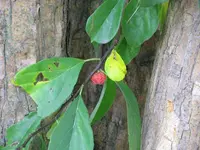
The fruits develop in long racemes where individual berries ripen at different times, so green, red, and nearly black fruits often appear together on the same cluster.

Widespread Asian native

This species occurs naturally from India and Sri Lanka through mainland Southeast Asia to southern China, Taiwan, the Philippines, and parts of Indonesia, typically in lowland secondary forests, forest edges, and disturbed sites.

Food for wildlife

The small fleshy fruits are eaten by many birds and small mammals, which disperse the seeds and help the plant colonize open or degraded habitats.

Botan icon

Did you know?

In parts of Southeast Asia, the sour fruits are sometimes processed into fermented or preserved products and used as locally important colorants and flavoring ingredients in traditional foods.

FAQs about Antidesma ghaesembilla

The small red to black berries are edible when ripe and are used fresh, cooked, or for beverages in some regions. Flavor ranges from sour to slightly sweet. Leaves and other parts are not usually eaten.

Grow Healthy Plants with Botan Care

Keep your plants happy and healthy with plant identification, disease detection, and easy care guidance.

Botan plant care app — identify plants on mobile

Explore More Plants