sugar sumac Care (Rhus ovata)

Also known as: sugar bush
sugar sumac

About sugar sumac

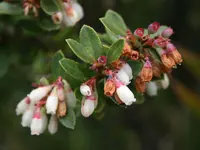
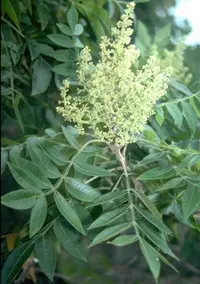
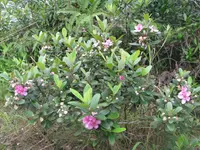
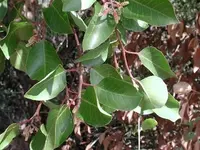
Sugar sumac, Rhus ovata, is an evergreen shrub or small tree native to dry slopes and chaparral habitats of Southern California and northern Baja California. It forms dense, rounded mounds of glossy, leathery leaves and can develop multiple trunks with age.

The plant produces small, cream flowers followed by reddish seed clusters that add ornamental interest and support wildlife. Its deep root system and tough foliage give it high drought tolerance and make it suitable for dry gardens.

Rhus ovata adapts well to full sun, lean or rocky soils, and low to moderate water, which simplifies how to care for sugar sumac in suitable climates.

Main Plant Requirements

Care Difficulty

Easy Care

Light Preference

Full Sun

Water Requirements

Low Water

Temperature Preference

Warm Climate

Hardiness Zone

8–11

Soil Texture

Sandy, Loamy, Rocky

Soil pH

Slightly acidic (6.5–7.0), Slightly alkaline (7.0–7.5)

Soil Drainage

Well-drained

Fertilization

Minimal (feed rarely)

Get Personalized Care Plan

Scan your plant to receive care tips personalized for your specific plant

Available on iOS and Android

How to Care for the sugar sumac

Rhus ovata thrives in bright, open conditions typical of dry, sunny hillsides.

  • Provide 6–8 hours of direct sun daily; morning sun plus light afternoon shade works best in hot summer regions.
  • Plant sugar sumac where it gets at least 4 hours of winter sun so foliage stays dense and growth remains compact.
  • In very exposed sites, strong late-afternoon sun can scorch young plants, so use temporary shade cloth or nearby plants as filtered protection the first 1–2 summers.

Rhus ovata is a drought-adapted shrub that prefers deep, infrequent watering once established.

  • For in-ground plants, water only when the top 5–8 cm of soil are completely dry and the soil feels cool but not damp beneath the surface.
  • During the first 1–2 growing seasons, give a slow, deep soak, then wait until leaves lose slight gloss or soil is dry to finger-depth before watering again.
  • Ensure sharply draining soil; yellowing, soft leaves and persistent surface dampness indicate overwatering, while crisp browning at tips suggests the plant is staying too dry too long.

This shrub is adapted to warm, dry climates with mild winters and hot summers.

  • Optimal growth occurs around 65–85°F (18–29°C), with steady shoot and root development in spring and early summer.
  • Mature plants tolerate down to about 15–20°F (-9 to -6°C), but young specimens benefit from protection during hard frosts.
  • In heat above 95°F (35°C), growth slows; mulch the root zone 5–8 cm deep to moderate soil temperature and reduce stress in prolonged hot, dry spells.

Rhus ovata handles low humidity well and usually does not need special humidity adjustments.

  • Target a broad humidity range of 20–50%, similar to dry outdoor air in many Western regions.
  • This shrub tolerates very dry air; sugar sumac rarely shows humidity-related problems in home landscapes.
  • If leaves crisp at the tips and soil is not overly dry, slightly increase humidity with nearby pebble trays or grouped plants.

Rhus ovata prefers lean, well-drained, often rocky soil and is highly tolerant of poor, dry sites.

  • Use a sandy or gravelly loam with plenty of mineral content; aim for a loose, open structure that never stays soggy.
  • Ensure very fast drainage by mixing about 50–70% coarse sand or fine gravel with 30–50% native soil or low-peat potting mix.
  • A slightly acidic to slightly alkaline pH around 6.0–8.0 suits this species, so most native garden soils work without adjustment.
  • Avoid heavy clay, high-peat mixes, or spots where water collects; improve aeration by incorporating coarse perlite or crushed gravel.

This species can be grown in large containers, mainly for young plants or where in-ground planting is not possible.

  • Choose a heavy, wide container to stabilize the shrub’s woody, branching canopy in wind and prevent tipping.
  • Use a deep pot to allow a developing root system to extend downward, which reduces drought stress between waterings.
  • Select thick-walled terracotta or concrete if possible, as these materials reduce overheating and rapid moisture swings in full sun conditions.

Rhus ovata is adapted to poor, dry soils and usually needs minimal feeding in garden settings.

  • For young or container-grown sugar sumac, use a balanced slow-release fertilizer (such as 10-10-10) in early spring.
  • Apply once per growing season for in-ground plants; containers may benefit from a second light feeding in midsummer.
  • Use fertilizer at 1/2 strength compared with label rates to avoid excessive, weak growth.
  • Stop feeding in late summer so new growth hardens before cooler weather.

Rhus ovata benefits from light, deliberate pruning to maintain structure and plant health.

  • Best time is late winter to early spring, before active growth begins.
  • Remove dead, diseased, or storm-damaged branches first, using clean, sharp bypass pruners or loppers.
  • Thin crowded interior branches to improve light and air flow, keeping the plant’s natural mound or shrub form.
  • Shorten overly long shoots just above a bud or side branch to control size without heavy shearing.

This shrub is most often grown in the ground; focus on careful transplanting rather than frequent repotting.

  • Transplant in late fall or early spring when growth is slow and temperatures are mild.
  • Move only when roots circle the container, growth stalls, or the plant quickly dries out after watering.
  • Choose a sunny site with well-drained, gritty soil and set the root ball at the same depth as before.
  • Water deeply after planting, then taper watering to encourage deep rooting and reduce transplant stress.

Rhus ovata can be propagated by seeds or semi-hardwood cuttings, though patience and careful conditions are needed.

  • Collect ripe seeds in late summer or fall; scarify the hard seed coat and use cool stratification for better germination.
  • Sow seeds in a well-drained, sandy mix and keep just slightly moist in bright, indirect light.
  • Take semi-hardwood cuttings in late summer, use rooting hormone, and place in a coarse, free-draining medium.
  • Maintain warm soil, moderate humidity, and good air flow to limit rot while roots develop.

Established Rhus ovata is cold hardy in mild-winter regions and usually needs minimal winter care.

  • Tolerates light frost, but young plants benefit from a 5–8 cm layer of mulch over the root zone.
  • Keep mulch a few cm away from the main stems to prevent rot during cool, wet periods.
  • Container plants in colder climates can be moved to a sheltered, unheated but frost-free spot.

Care Tips

Deep root training

In the first 2–3 years, water less often but deeply and slightly away from the stem to encourage a broad, deep root system that will improve drought tolerance and anchoring on slopes.

Slope stabilization use

Plant on a mild to moderate slope and lightly mound soil on the downhill side of the root zone; as roots spread, they help bind the soil and reduce erosion, especially in decomposed granite or sandy sites.

Fire‑wise placement

When planting near structures, keep a 3–5 ft noncombustible buffer (rock mulch or bare soil) around the base and remove dead twigs annually, since older wood can contribute to fire intensity in high-risk regions.

Salt and wind management

In coastal areas, use a temporary windbreak fence or taller shrubs on the windward side during establishment to reduce salt-laden wind stress and leaf burn on young plants.

Minimal staking technique

If staking is needed in very windy sites, use 2 loose, opposing stakes and remove them within 1–2 years so the trunk can flex and strengthen, which is critical for long-term stability when growing sugar sumac.

Common Pests and Diseases

Leaf galls

Symptoms include thickened, curled, or blistered patches on leaves caused by tiny eriophyid mites forming galls in the tissue. This problem is cosmetic on sugar sumac and rarely harms overall plant health.

Solution

Prune and dispose of heavily distorted leaves or small affected twigs before mid-spring to reduce mite populations, and keep the plant well-watered during dry spells to limit stress. Avoid broad-spectrum insecticides, which can disrupt beneficial predatory mites; if infestations are severe on young plants, a light horticultural oil spray just as new leaves emerge can help suppress the mites.

Leaf spot

This disease causes small brown or black spots on leaves that may merge into larger blotches, sometimes leading to early leaf drop. It tends to appear in periods of prolonged humidity or overhead irrigation.

Solution

Remove and discard fallen leaves and any heavily spotted foliage to reduce fungal spores, and water at soil level rather than overhead. Improve air circulation by thinning crowded interior branches; in unusually wet seasons, a labeled copper or chlorothalonil fungicide can be used preventively on high-value landscape specimens, following local regulations and label directions.

Powdery mildew

This disease produces a white or gray powdery coating on upper leaf surfaces and young shoots, which can cause slight leaf distortion and reduced vigor on shaded or crowded plants. It is favored by warm days, cool nights, and poor air movement.

Solution

Increase sun exposure where possible, thin dense growth to improve airflow, and avoid excessive nitrogen fertilization that promotes soft, susceptible foliage. At first signs on valuable plants, apply a labeled sulfur, potassium bicarbonate, or horticultural oil product according to directions, repeating as needed while conditions favor infection.

Scale insects

These insects appear as small, rounded or oval bumps on stems and occasionally leaves, feeding on plant sap and sometimes causing sooty mold from honeydew deposits. Light infestations seldom threaten established plants but can weaken young or stressed specimens.

Solution

For light infestations, gently scrape or rub scales off stems or prune out localized clusters, then dispose of prunings. For heavier populations, apply a dormant-season horticultural oil to smother overwintering stages, and encourage natural predators by avoiding routine broad-spectrum insecticides; targeted systemic products may be considered for severely affected or high-value landscape plants as part of Rhus ovata care.

Interesting Facts

Hybridization with lemonade berry

Rhus ovata naturally hybridizes with the closely related lemonade berry, Rhus integrifolia, where their ranges overlap in southern California, producing intermediate plants that show mixed leaf shapes and growth habits.

Leaf-folding water strategy

Its thick, leathery leaves often fold along the midrib, creating a shallow trough that helps shed intense sunlight and reduce water loss, an adaptation suited to hot, dry chaparral climates.

Early-season nectar source

This species flowers in late winter to early spring with dense clusters of small, pinkish-white blossoms that provide an important early nectar and pollen source for native bees and other pollinators in coastal and foothill habitats.

Botan icon

Did you know?

Rhus ovata produces a dark, tar-like sap that can blacken pruning tools and sticky fruits historically used by Indigenous peoples of the region to make a tangy, vitamin C–rich beverage when the outer, sour coating is soaked and strained.

FAQs about sugar sumac

This shrub is broadly evergreen in mild climates, holding most foliage through winter. In colder or very dry conditions, it can drop some older leaves, but the plant typically maintains a dense, leafy appearance year-round.

Grow Healthy Plants with Botan Care

Keep your plants happy and healthy with plant identification, disease detection, and easy care guidance.

Botan plant care app — identify plants on mobile

Explore More Plants