Paralepista gilva Care

Paralepista gilva

About Paralepista gilva

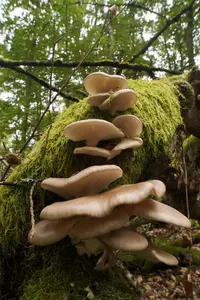
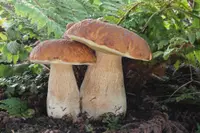
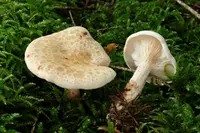
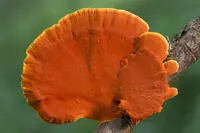
Paralepista gilva is a small, saprotrophic fungus rather than a true garden plant. It forms shallow, yellow to ochre funnel-shaped caps with crowded, pale gills and a short stem. The fruiting bodies often appear in loose groups or arcs on the ground.

This species typically grows in leaf litter or mossy grass in woodlands, parks, and sometimes lawns across parts of Europe and other temperate regions. It is not commonly cultivated, and attempts to grow it at home are unreliable because it depends on complex soil and litter conditions.

Those interested in how to care for Paralepista gilva should understand that it behaves like a wild mushroom, favoring undisturbed, moist, organic-rich habitats rather than controlled indoor or pot culture.

Main Plant Requirements

Care Difficulty

Moderate Care

Light Preference

Partial Shade

Water Requirements

Regular Water

Temperature Preference

Cool Climate

Hardiness Zone

Unknown

Soil Texture

Loamy, Silty, Organic-rich

Soil pH

Slightly acidic (6.5–7.0)

Soil Drainage

Moist but well-drained

Fertilization

Minimal (feed rarely)

Get Personalized Care Plan

Scan your plant to receive care tips personalized for your specific plant

Available on iOS and Android

How to Care for the Paralepista gilva

This saprotrophic woodland fungus prefers soft, indirect forest light rather than strong, open sun.

  • Provide dappled or filtered light, such as beneath deciduous trees, with roughly 2–4 hours of gentle morning sun and shade or broken light the rest of the day.
  • Avoid full, exposed midday sun, which can dry the substrate quickly and inhibit fruiting; leaf litter or low vegetation helps diffuse direct rays.
  • In summer, slightly deeper shade protects developing caps, while in late autumn a bit more open canopy supports fruiting of Paralepista gilva.

Moist, but not waterlogged, organic ground is essential for consistent fruiting of this fungus.

  • Aim for evenly moist leaf litter or humus-rich soil; if the top 2–3 cm feel dry and crumbly, natural rainfall or supplemental watering is beneficial.
  • Ensure very good drainage, avoiding compacted clay or standing water, which encourages rot, fungal competitors, and anaerobic conditions in the substrate.
  • During dry, warm periods, occasional deep soaking is preferable to frequent light splashes, while in cool, wet seasons rely mainly on rainfall and avoid adding extra water.

This species fruits best in mild to cool conditions typical of autumn woodland climates.

  • Optimal fruiting usually occurs around 50–65°F (10–18°C), with underlying soil staying cool and evenly moist under leaf litter or light forest cover.
  • It tolerates down to about 32°F (0°C), but hard freezes below 28°F (-2°C) can damage fruiting bodies and temporarily halt development.
  • Sustained heat above 77–82°F (25–28°C) tends to dry the substrate and shorten fruiting periods, so shaded, north-facing or tree-covered sites help moderate temperature swings.

This fungus is not humidity-sensitive and can fruit across a broad moisture range in the wild, so active humidity control is usually unnecessary.

Paralepista gilva naturally fruits in leaf litter and humus-rich forest floors, so the substrate should mimic loose, well-aerated woodland material.

  • Use a mix of fine bark, leaf mold or composted hardwood chips, and a small amount of garden soil to create a loose, organic-rich substrate.
  • Ensure rapid drainage; the substrate should feel moist but never waterlogged, as standing water encourages bacterial rot and competing molds.
  • Aim for slightly acidic to neutral conditions around pH 5.5–7.0, avoiding strongly alkaline substrates that alter nutrient availability and microbial balance.
  • Improve aeration by avoiding compaction; lightly mix and fluff the top layer rather than pressing it down, so fungal mycelium can spread evenly.

This species is poorly suited to typical container growing, as it is a saprophytic fungus adapted to natural leaf-litter and soil interfaces rather than confined pots.

This woodland fungus does not need routine feeding in garden or container settings.

Paralepista gilva does not benefit from horticultural pruning since it is a wild mushroom rather than a garden shrub or tree.

Transplanting focuses on preserving the natural fungal network in soil or leaf litter rather than frequent container moves.

  • Shift any associated host plants or soil patches only during mild weather in spring or fall to limit stress.
  • Move colonized soil with a wide margin so mycelium threads remain largely intact and undisturbed.
  • Avoid washing or breaking up the substrate; keep moisture levels steady before and after transplanting.
  • Limit disturbance frequency; only relocate when habitat will be lost or conditions become clearly unsuitable.

Propagation of this fungus is not typically done in home settings because it relies on complex spore dispersal and substrate conditions.

This species is naturally adapted to outdoor seasonal changes and generally needs no dedicated winter care in the garden.

Care Tips

Site hygiene

Remove and dispose of spent fruiting bodies and any nearby decaying plant material in a sealed bag to reduce spore loads and discourage fungus gnats and other nuisance insects around the colony.

Leaf litter management

Maintain a steady but thin layer of broadleaf litter or woodchip mulch around the mycelium rather than deep piles, which helps stabilize moisture and aeration while preventing anaerobic, foul-smelling pockets that can stress the fungus.

Targeted moisture monitoring

Use a simple soil moisture probe or your finger at 2–3 in depth in several spots to check that the substrate stays evenly damp around, not just directly under, the visible mushrooms, as the main mycelial network often extends beyond the fruiting area.

Shaded microclimate

Create a low, open shade structure with mesh or slatted material over the bed to buffer sudden sun or wind exposure, which keeps caps from cracking and extends the fruiting window when growing Paralepista gilva outdoors.

Clean handling practice

Harvest with clean hands or a disinfected knife and avoid disturbing surrounding substrate too much, as gentle, hygienic handling supports healthier regrowth when caring for Paralepista gilva over multiple seasons.

Common Pests and Diseases

Fungus gnat larvae

This pest is attracted to damp, organic-rich substrates where the mushrooms develop, and the larvae feed on fungal tissue and mycelium. Symptoms include tunneled, water-soaked caps and stems plus small black adult gnats hovering near the fruiting area.

Solution

Reduce excess surface moisture and remove heavily damaged fruit bodies promptly. For recurring problems, apply a biological control containing Bacillus thuringiensis israelensis (Bti) to the substrate and use fine mesh or physical barriers around cultivation trays to limit adult gnat access.

Sciarid fly larvae

These insects are common in mushroom cultivation and their larvae burrow through developing caps, distorting and weakening the fruiting bodies. Symptoms include pitted, misshapen mushrooms and visible white maggots in the gills or stems.

Solution

Discard heavily infested flushes and clean all nearby organic debris. Improve hygiene around the growing area, use sticky traps to reduce adult numbers, and, where allowed, introduce biological controls such as predatory mites or nematodes targeted at sciarid larvae.

Mucor wet spot

This disease is caused by fast-growing Mucor molds that colonize moist substrate and outcompete the target fungus. Symptoms include fluffy gray to white mold patches on the substrate and failure of normal fruiting.

Solution

Remove and discard contaminated substrate sections and reduce overall moisture and condensation. Sterilize or pasteurize fresh substrate thoroughly, improve airflow, and avoid reusing contaminated containers or tools when growing Paralepista gilva.

Green Trichoderma mold

This disease results from Trichoderma species that invade the substrate and sometimes the fruiting bodies, especially under warm, humid, and poorly sanitized conditions. Symptoms include white mycelium that quickly turns bright green and a decline or complete stop in mushroom production.

Solution

Isolate and discard affected blocks or trays to prevent spore spread, then clean the growing area with a suitable disinfectant. For new batches, improve substrate sterilization or pasteurization, avoid overwatering, and ensure good ventilation and clean handling to limit Trichoderma spores.

Interesting Facts

Yellow-staining gills

The gills of this mushroom often show a distinct yellow to orange-brown staining, especially toward the edges and when bruised, which helps separate it from similar pale-colored funnel mushrooms.

Leaf-litter specialist

This species commonly fruits in dense troops on rich leaf litter, especially under broadleaf trees such as oak and beech, playing an active role in breaking down fallen leaves in temperate forests.

Characteristic sweet odor

Fresh fruit bodies often have a mild but noticeable sweet or aromatic smell, which mycologists use as an additional field character together with its yellowing flesh and funnel-shaped cap.

FAQs about Paralepista gilva

This mushroom is generally classified as inedible or at least not recommended. It can cause gastrointestinal discomfort in some people. Identification is difficult, and confusion with toxic look-alikes is possible, so it is safest not to eat it.

Grow Healthy Plants with Botan Care

Keep your plants happy and healthy with plant identification, disease detection, and easy care guidance.

Botan plant care app — identify plants on mobile

Explore More Plants