Allium longifolium Care

Allium longifolium

About Allium longifolium

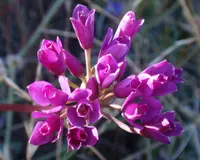
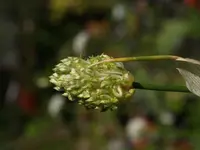
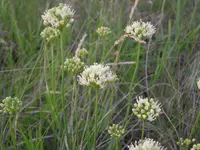
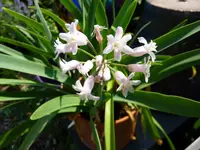
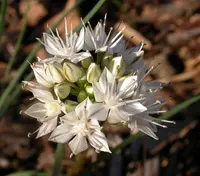
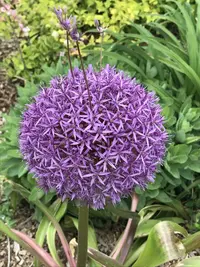
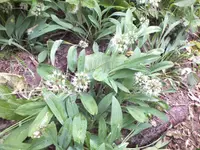
Allium longifolium is a bulb-forming ornamental onion, valued for its tall, slender flower stalks and narrow, grass-like leaves. It produces clusters of star-shaped flowers, often in soft shades that attract pollinators.

This species is native to parts of Central Asia, where it grows in open, sunny sites with well-drained soils. In gardens it tends to form clumps over time, but usually stays neat and upright.

Its hardy nature and modest care needs make it suitable for rock gardens, mixed borders, and naturalistic plantings. Understanding how to care for Allium longifolium starts with providing plenty of light, relatively dry conditions, and soil that does not stay wet.

Main Plant Requirements

Care Difficulty

Easy Care

Light Preference

Full Sun

Water Requirements

Low Water

Temperature Preference

Cold Hardy

Hardiness Zone

4–8

Soil Texture

Sandy, Loamy, Rocky

Soil pH

Slightly acidic (6.5–7.0), Slightly alkaline (7.0–7.5)

Soil Drainage

Well-drained

Fertilization

Minimal (feed rarely)

Get Personalized Care Plan

Scan your plant to receive care tips personalized for your specific plant

Available on iOS and Android

How to Care for the Allium longifolium

This bulb prefers bright, open conditions similar to a sunny meadow site.

  • Provide 6–8 hours of direct sun daily; morning and midday sun are ideal, with only light shade after 3–4 p.m.
  • Tolerates light partial shade (3–4 hours sun) but flowering and stem strength decline if light is much lower.
  • In hot summers, avoid intense reflected afternoon heat that can scorch leaves; in winter, ensure the site is not permanently shaded by buildings or evergreens.

This species prefers evenly moist but not saturated soil during active growth.

  • Water when the top 3–5 cm of soil feels dry, allowing moisture to reach the bulb zone but not pool around it.
  • Use free-draining soil or a raised bed so excess water runs off; persistent soggy conditions cause bulb rot and yellowing, limp foliage.
  • Reduce watering sharply once foliage starts to yellow and die back after flowering, then keep almost dry during dormancy while ensuring the soil never becomes rock hard.

This hardy bulb tolerates a wide temperature range typical of temperate outdoor gardens.

  • Optimal active growth occurs in cool to mild conditions around 50–70°F (10–21°C), especially in spring and early summer.
  • Dormant bulbs withstand cold down to about 0°F (−18°C) in well-drained soil; mulch lightly in regions with severe freeze–thaw cycles.
  • In hot climates with summer temperatures above 85°F (29°C), ensure soil does not stay hot and wet; provide some afternoon shade to protect roots and prolong blooming when growing Allium longifolium.

This bulb tolerates a wide humidity range and rarely needs special humidity management indoors or outdoors.

This species prefers lean, well-drained mineral soil that never stays waterlogged around the bulb.

  • Use a sandy or gritty loam with low to moderate organic matter so moisture drains quickly but roots still anchor firmly.
  • Aim for a slightly alkaline to neutral pH around 7.0–7.8, adding garden lime if native soil is distinctly acidic.
  • Improve drainage and aeration by mixing coarse sand or fine grit with a small amount of compost rather than peat-heavy materials.
  • Avoid heavy clay, compacted beds, and spots where winter water collects, as prolonged saturation rots bulbs of Allium longifolium.

This species can grow reliably in containers if the pot and substrate prevent standing moisture around the bulbs.

  • Choose a deep container at least 25–30 cm tall so bulbs can sit several bulb-heights below the rim while leaving space for a dry mulch layer.
  • Use a heavy, stable pot material such as ceramic or clay to keep tall flowering stems from tipping in wind.
  • Stand the pot on feet or spacers so drainage holes remain clear and excess water escapes quickly after rain or irrigation.

This bulb needs only light feeding to support flowering without producing lush, weak foliage.

  • For Allium longifolium in average garden soil, apply a thin layer of compost or well-rotted manure around the clumps in early spring.
  • In poorer soils, use a balanced slow-release fertilizer (around 10-10-10) once as shoots emerge.
  • Avoid high-nitrogen products, which push soft leaf growth at the expense of bulbs and blooms.
  • Do not feed during summer dormancy or winter; nutrients are not effectively taken up then.

Pruning focuses on tidiness and seed control rather than reshaping this naturally upright bulb.

  • After flowering, snip off spent flower heads with clean scissors or hand pruners to prevent unwanted self-seeding.
  • Leave green leaves in place until they yellow, so bulbs can recharge through photosynthesis.
  • Remove only dead, damaged, or badly spotted foliage to limit disease spread.
  • Avoid cutting healthy foliage to the ground, which weakens flowering the following year.

This ornamental onion is usually grown in the ground, with transplanting done only when clumps become crowded.

  • Plan to lift and divide crowded bulbs every 3–5 years, or when flowering declines and stems appear thinner.
  • Transplant in late summer to early fall, after foliage has fully died back and bulbs are dormant.
  • Lift bulbs carefully with a fork, keeping as many roots intact as possible to limit stress.
  • Replant at the original depth in well-drained soil, then water once to settle, avoiding heavy watering afterward.

Propagation is most reliable by bulb division, with seed used mainly for longer-term increase or breeding.

  • Divide offset bulbs in late summer or early fall when the plant is fully dormant and soil is relatively dry.
  • Gently separate smaller bulbs from the parent, keeping basal plates intact, and replant at similar depth and spacing.
  • For seed, sow fresh seed in pots or trays outdoors, allowing natural cold exposure to improve germination.
  • Keep seed trays evenly moist, not wet, and expect seedlings to take several years to reach flowering size.

This hardy bulb generally needs minimal winter care in most temperate gardens.

  • In cold climates, a 5–7 cm layer of loose mulch over the planting area helps buffer freeze–thaw cycles.
  • Ensure soil drains well; waterlogged winter conditions are more damaging than low temperatures.
  • Container-grown bulbs benefit from being moved into a sheltered, unheated but frost-light area, such as a cold frame or against a house wall.

Care Tips

Bulb lifting schedule

In colder or very wet climates, dig and lift bulbs every 3–4 years after foliage dies back, dry them for 7–10 days in a shaded, airy place, then replant or store in a cool, dry spot in mesh bags to prevent rot and overcrowding.

Staggered planting depth

When planting a group, bury some bulbs 2–3 cm deeper than others within the recommended range so they emerge and flower slightly out of sync, extending the overall display period when growing Allium longifolium.

Support for tall stems

In windy or exposed sites, insert slim stakes or use discreet ring supports at planting time so stems can grow up through them, reducing the risk of snapping just before or during flowering.

Seed head management

After flowering, leave some seed heads to dry fully for ornamental effect and self-seeding, but cut and dispose of the rest to limit unwanted spread and direct more energy back to the bulbs.

Rodent and pest deterrence

Where rodents or bulb predators are a problem, plant bulbs inside wire mesh baskets or cages in the soil, ensuring at least 5 cm of soil above the mesh so roots and shoots can grow freely while bulbs stay protected.

Common Pests and Diseases

onion thrips

This pest feeds by rasping the leaf surface and sucking sap, leading to silvery streaks, small white patches, and fine black specks of frass on allium leaves. Symptoms include gradual yellowing, reduced vigor, and distorted or stunted growth, especially in warm, dry weather.

Solution

Monitor foliage closely in late spring and summer, then spray plants thoroughly with a strong stream of water to dislodge thrips and remove plant debris where they hide. If needed, apply insecticidal soap or a spinosad-based product in the evening, repeating every 5–7 days until new growth appears clean, and avoid overhead watering at night to reduce humidity that supports thrips populations.

allium leaf miner

This pest is a small fly whose larvae tunnel inside leaves and sometimes into stems, creating winding, pale mines and causing leaves to wilt or collapse. Symptoms include puncture marks in rows along the leaf surface where eggs were laid and rotting of infested tissue.

Solution

Remove and destroy affected leaves and bulbs promptly to prevent larvae from completing their life cycle, and do not compost infested material. In regions where this pest is present, use fine insect mesh or row cover over allium beds during egg-laying periods and rotate planting areas to reduce reinfestation while monitoring sticky traps for adult flies.

downy mildew

This disease causes pale yellow patches on leaves that later turn brown and collapse, often starting in cool, moist conditions. Symptoms include fuzzy gray or purplish growth on the undersides of leaves during humid mornings and an overall decline in plant vigor.

Solution

Improve air circulation by spacing plants properly, watering at the soil level in the morning, and removing heavily infected leaves as soon as they are noticed. In wet seasons, consider applying a labeled copper or phosphonate fungicide preventively, and avoid overhead watering and overcrowded plantings when growing Allium longifolium in the same spot year after year.

neck rot

This disease typically appears after harvest, when bulbs stored with slightly green or thick necks begin to show soft, sunken areas and gray mold. Symptoms include a watery, spongy rot starting at the neck and moving into the bulb scales, eventually causing complete bulb collapse.

Solution

Harvest only fully mature bulbs with dry necks, cure them in a warm, dry, well-ventilated area for 10–14 days, and discard any damaged or suspect bulbs before storage. Store bulbs in a cool, dry place with good air movement, rotate planting locations annually, and avoid excessive nitrogen or late-season watering that encourages soft tissue vulnerable to infection.

basal plate rot

This soilborne disease attacks the basal plate at the bottom of the bulb, leading to poor emergence, yellowing foliage, and brown, dry rot at the bulb base. Symptoms include roots dying back, bulbs becoming lightweight and shriveled, and plants pulling easily from the soil.

Solution

Remove and destroy affected plants including bulbs and surrounding soil clumps, and avoid replanting alliums in the same area for several years. Use only healthy, firm bulbs, ensure well-drained soil, avoid overwatering, and consider raised beds or amended soils to reduce prolonged wetness that favors the fungus.

Interesting Facts

Central Asian native

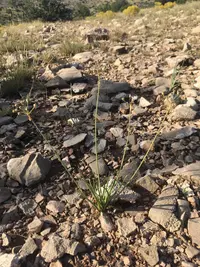
This species is naturally distributed in parts of Central Asia, where it grows in dry, open habitats with well-drained, often rocky soils.

Narrow, elongate leaves

The species epithet longifolium refers to its relatively long, narrow leaves compared with several related Allium species, a trait that helps distinguish it in the field.

Specialist pollinator support

Its umbels of small flowers provide nectar and pollen for a range of flying insects, and in its native range it is particularly important for local bee and fly species active during its bloom period.

FAQs about Allium longifolium

Lack of flowers usually comes from bulbs planted too shallow or too deep, insufficient cold period, overcrowded clumps, or depleted soil nutrients. Allow foliage to die back naturally so bulbs recharge, then divide and replant overcrowded clusters.

Grow Healthy Plants with Botan Care

Keep your plants happy and healthy with plant identification, disease detection, and easy care guidance.

Botan plant care app — identify plants on mobile

Explore More Plants