Red Serpentinite Leek Care (Allium junceum)

Red Serpentinite Leek

About Red Serpentinite Leek

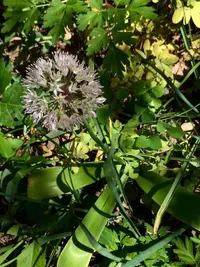
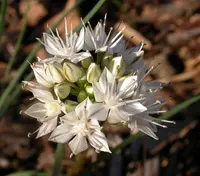
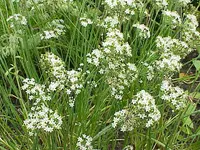
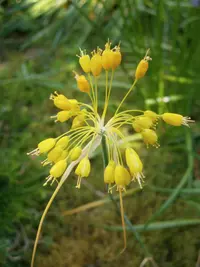
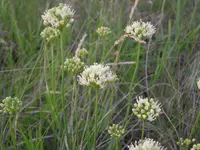
Red serpentinite leek (Allium junceum) is a small, clump-forming bulb in the onion family, valued for its fine, rush-like foliage and delicate flower heads. It typically produces narrow, upright leaves and rounded clusters of pink to purple blooms on slender stems, giving a light, airy look.

This species is naturally associated with rocky or serpentine-rich soils in parts of Europe, which makes it adapted to relatively lean, well-drained conditions. It is generally undemanding once established, as long as the soil does not stay wet. Gardeners who learn how to care for Red Serpentinite Leek usually find it reliable in sunny, open sites.

Main Plant Requirements

Care Difficulty

Easy Care

Light Preference

Full Sun

Water Requirements

Moderate Water

Temperature Preference

Cold Hardy

Hardiness Zone

5–9

Soil Texture

Sandy, Loamy, Rocky

Soil pH

Slightly acidic (6.5–7.0), Slightly alkaline (7.0–7.5)

Soil Drainage

Well-drained

Fertilization

Minimal (feed rarely)

Get Personalized Care Plan

Scan your plant to receive care tips personalized for your specific plant

Available on iOS and Android

How to Care for the Red Serpentinite Leek

This Mediterranean bulb thrives in bright, open sites with plenty of direct sun for strong, upright growth.

  • Provide 6–8 hours of direct sun daily; full sun is best, especially in spring and early summer for dense foliage and strong flowering.
  • Accepts light or partial shade (around 3–4 hours sun), but stems may elongate and flowering can decline if shaded for longer periods.
  • In very hot regions, morning sun with light afternoon shade reduces scorch on leaves; caring for Red Serpentinite Leek in exposed sites also benefits from reflective mulch to avoid soil overheating.

This species prefers dry to moderately dry conditions and is sensitive to prolonged soil moisture.

  • Allow the top 3–5 cm of soil to dry fully between waterings; foliage should feel firm, not limp or yellowing, which often indicates excess moisture.
  • Use sharply drained, sandy or gritty soil; avoid standing water or compacted clay, as bulbs are prone to rot if soil stays wet for more than 1–2 days after rain.
  • Reduce watering once foliage begins to yellow and die back after flowering; during dormancy, rely mostly on natural rainfall unless an extended drought causes deep soil to become powder-dry.

This allium is hardy and adapted to regions with warm summers and cool to cold winters.

  • Optimal active growth occurs around 60–75°F (16–24°C); stable spring temperatures in this range support leaf and root development before flowering.
  • Mature bulbs typically tolerate down to about 10–15°F (-12 to -9°C) in well-drained soil; mulch lightly in colder climates to buffer rapid freeze–thaw cycles.
  • In hot areas, plants handle up to about 90°F (32°C) if soil stays draining and nights cool below 75°F (24°C); prolonged extreme heat with high humidity can reduce vigor over time.

Allium junceum, or Red Serpentinite Leek, handles typical indoor humidity and usually does not need special adjustment.

  • Aim for 30–50% humidity, similar to most heated homes.
  • Plants tolerate dry air but may show leaf tip browning if combined with underwatering.
  • If air is very dry, place the pot on a pebble tray with water below the pot base, not touching it.

Allium junceum prefers lean, sharply drained mineral soil that mimics dry, rocky habitats.

  • Use a sandy or gritty mix such as 50% cactus mix with 50% coarse sand, grit, or fine gravel for strong drainage.
  • Keep structure open and airy; avoid dense peat-heavy substrates that hold water around the bulbs.
  • A slightly alkaline to neutral pH around 6.8–7.5 suits this species; add a small amount of crushed limestone if soil is acidic.
  • Ensure water runs through quickly and the pot never sits in a saucer of standing water to prevent bulb and root rot.

This species is suitable for container growing when drainage and depth are carefully managed.

  • Choose a deep pot so bulbs can sit several cm below the surface while still leaving room for root growth beneath.
  • Select a rigid, heavier container material if placed outdoors, as tall flower stems can catch wind and tip light pots.
  • Raise the container slightly on feet or bricks so drainage holes never sit directly on a flat surface, promoting faster runoff.

Allium junceum is a modest feeder but responds well to light, targeted nutrition during its active growing season.

  • Use a balanced, slow-release fertilizer (for example 10-10-10) or a light top-dressing of mature compost in spring.
  • Feed every 4–6 weeks during active growth, stopping once foliage begins to yellow and the plant enters dormancy.
  • Apply fertilizers at half the label strength to avoid salt build-up around the bulbs.
  • For container-grown Red Serpentinite Leek, monitor drainage closely because concentrated nutrients can burn roots in poorly aerated mixes.

Allium junceum needs minimal pruning, mainly to keep clumps tidy and flowering well.

  • Cut spent flower stalks at the base after blooming to neaten appearance and reduce unwanted self-seeding.
  • Remove any dead, yellowing, or damaged leaves with clean, sharp scissors or hand pruners to limit disease.
  • Thin out congested clumps by removing a few outer stems, which improves air flow and light penetration.
  • Avoid cutting healthy green foliage hard, as leaves are needed to recharge the bulbs for next year’s growth.

This clump-forming bulb is more often transplanted in garden beds than repotted in containers.

  • Plan to divide and transplant clumps every 3–5 years when flowering declines or growth becomes crowded.
  • Lift and move plants in late summer to early fall, after foliage has died back but before hard freezes.
  • If container-grown, shift to a slightly larger pot when roots circle the container or growth slows noticeably.
  • Handle bulbs gently, keep roots moist but not waterlogged, and replant at the same depth to limit transplant shock.

Allium junceum is commonly propagated by division of mature clumps, with seed as a slower option.

  • Divide established clumps in late summer or early fall when foliage has withered and bulbs are dormant.
  • Lift the clump, gently separate individual bulbs or small clusters, and replant them at original depth in well-drained soil.
  • Water lightly after replanting, then keep soil just barely moist until new roots establish.
  • For seed, sow fresh in fall in a gritty mix outdoors; expect cool temperatures to support gradual germination.

This species is generally cold hardy in temperate climates and needs little winter care in the ground.

  • In colder regions, apply a 3–5 cm layer of dry mulch over the root zone after the soil cools to buffer freeze–thaw cycles.
  • Do not keep soil waterlogged in winter, as excessive moisture around dormant bulbs increases rot risk.
  • Move containers to a sheltered, unheated but frost-free or slightly protected spot to avoid potting mix freezing solid.

Care Tips

Bulb division timing

Lift and divide congested clumps every 3–4 years in late summer after foliage dies back, replanting only firm, healthy bulbs at the same depth to maintain flowering quality.


Drainage enhancement

In heavier soils, mix sharp grit or small gravel into the top 10–15 cm of the planting area or raise the bed slightly to prevent bulb rot and support long-term Allium junceum care.

Targeted deadheading

Remove spent flower heads promptly but leave the foliage intact until it yellows naturally so the bulbs can recharge without self-seeding excessively into nearby planting areas.

Seed collection control

If seed is desired, allow only a few selected flower heads to mature and dry on the plant, then bag or cut and dry them under cover to collect clean seed without scattering it in the border.

Winter moisture management

In regions with wet winters, use a light gravel mulch directly over the bulb zone to shed excess water and reduce freeze–thaw stress around the bulbs.

Common Pests and Diseases

Allium leaf miner

This pest is a small fly whose larvae tunnel inside leaves and stems, causing twisting, streaking, and eventual collapse of foliage. Symptoms include white feeding punctures in rows and rotting, weakened bulbs.

Solution

Remove and destroy infested leaves and bulbs as soon as tunneling is noticed, and rotate plantings so Allium junceum is not grown in the same spot each year. Use fine insect mesh over the planting area during the adult flight periods, and keep nearby wild Allium species trimmed to reduce breeding sites.

Onion thrips

These insects rasp the leaf surface and suck sap, leading to silvery streaks, speckling, and tip dieback on the narrow foliage. This pest can weaken plants and increase susceptibility to fungal infections.

Solution

Rinse foliage thoroughly with a firm stream of water to dislodge thrips, and remove heavily damaged leaves. Encourage natural predators by avoiding broad-spectrum insecticides, and, if needed, use insecticidal soap or a light horticultural oil, applied in the evening and repeated according to label directions.

Botrytis leaf blight

This disease is caused by a Botrytis fungus that favors cool, wet conditions and dense clumps. Symptoms include water-soaked leaf spots that turn tan or brown, often with a gray, fuzzy mold in humid weather.

Solution

Remove and discard affected leaves promptly and avoid overhead watering to keep foliage as dry as possible. Improve spacing and air movement around clumps, apply a dry mulch to limit splash, and in severe, recurring cases consider a labeled fungicide as part of broader Allium junceum care instructions.

Downy mildew

This disease develops in cool, moist weather and leads to pale, yellowish patches on leaves that later show a gray-violet downy growth. Symptoms include distorted, weakened foliage and reduced vigor in clumps.

Solution

Increase sun exposure and airflow, water at soil level in the morning, and thin dense plantings to help leaves dry quickly. Remove infected foliage, avoid overhead irrigation, and if the problem recurs, use an appropriate downy mildew fungicide labeled for ornamental Allium, following all safety directions.

Interesting Facts

Serpentinite soil specialist

This species is naturally associated with serpentinite-rich habitats, which are rocky soils high in magnesium and heavy metals and low in essential nutrients, conditions that many other plants cannot tolerate.

Distinctive reddish bulb tunics

The outer bulb scales often show a reddish to purple tinge, a feature that helped inspire the common name Red Serpentinite Leek and can aid botanists in field identification.

Narrow rush-like leaves

Its very slender, almost rush-like leaves give the plant a grass- or rush-like appearance, which can cause it to be overlooked as an onion relative until the rounded allium flower umbels appear.

FAQs about Red Serpentinite Leek

This species is an ornamental wild onion with a mild onion-like scent, but it is not commonly used as food. Only eat Allium species when identification is absolutely certain, and local foraging guidelines allow it.

Grow Healthy Plants with Botan Care

Keep your plants happy and healthy with plant identification, disease detection, and easy care guidance.

Botan plant care app — identify plants on mobile

Explore More Plants