Encourage Compact Growth
Pinch back the soft tips of each stem every 4–6 weeks to keep the plant dense, reduce legginess, and stimulate new side shoots along the leaf line.

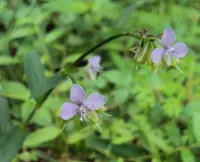
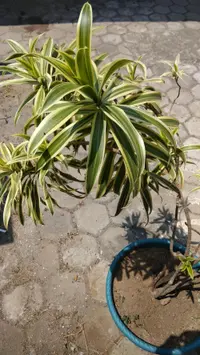
Murdannia loriformis is a small, clumping perennial from the spiderwort family, valued for its neat, grass-like foliage. It forms low rosettes of narrow, strap-shaped leaves that stay close to the ground, giving it a compact, tidy look. This species is native to tropical Asia, where it grows in warm, humid conditions with filtered light and consistently moist but not waterlogged soil. Its relatively modest size and steady growth make it suitable for containers, mixed plantings, or as a small indoor accent. Murdannia loriformis is generally considered undemanding, and learning how to care for Murdannia loriformis mainly involves providing soft light, regular moisture, and a free-draining substrate.

Care Difficulty
Moderate Care

Light Preference
Partial Shade

Water Requirements
Keep Soil Moist

Temperature Preference
Tropical / Frost Sensitive

Hardiness Zone
10–11

Soil Texture
Loamy, Silty, Organic-rich

Soil pH
Acidic (5.5–6.5), Slightly acidic (6.5–7.0)

Soil Drainage
Moist but well-drained

Fertilization
Light (every 4–6 weeks)
Scan your plant to receive care tips personalized for your specific plant
Available on iOS and Android
This species prefers bright, indirect light and gentle sun exposure to maintain compact growth and leaf color.
Watering should keep the root zone lightly moist but never saturated for extended periods.
This plant grows best in warm, stable conditions without exposure to frost or extreme heat.
This species prefers moderate to high ambient humidity for stable foliage health.
This species prefers a loose, moisture-retentive yet fast-draining mix.
This species is well suited to container growing for both indoor and sheltered outdoor settings.
This plant benefits from light, consistent feeding during active growth for compact, healthy foliage.
Thoughtful pruning keeps this trailing species dense, tidy, and encourages fresh shoots.
Container-grown plants appreciate occasional repotting to refresh substrate and manage root density.
New plants are most often produced from stem cuttings taken during the warm growing season.
This species is frost-sensitive and needs mild, protected conditions during winter, especially in containers.

Plant Health Check
Not sure what's wrong with your plant? Check your plant's health inside the app.
This species is native to shaded, humid forest floors in Southeast Asia, where it grows as a low, creeping understory herb among leaf litter and mosses.
The plant has narrow, strap-shaped leaves arranged in small rosettes, a growth form that helps it intercept scattered light near the ground while keeping energy investment in stems low.
It roots easily at stem nodes that touch moist substrate, allowing clonal colonies to form in its natural habitat through vegetative spread rather than relying only on seed.
This species grows well both indoors and outdoors if kept frost-free. Indoors it prefers bright, filtered light and stable warmth. Outdoors it suits shaded, humid spots in mild climates, protected from cold, scorching sun, and heavy wind.
Keep your plants happy and healthy with plant identification, disease detection, and easy care guidance.