Cool-site placement
In mild climates, position plants on the north or east side of rocks or low walls so the roots stay cool and shaded while the foliage still receives bright light from above, which reduces stress and prolongs flowering.

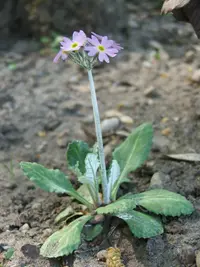
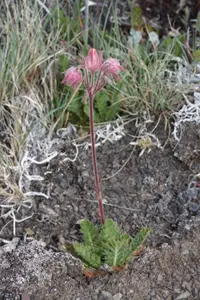
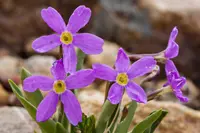
Birdeye primrose (Primula laurentiana) is a small herbaceous perennial native to moist, rocky habitats of northeastern North America, especially around the Gulf of St. Lawrence. It forms low rosettes of fresh green leaves and produces clusters of delicate, usually lilac to purplish flowers with a pale or white eye. Plants often grow in cool, humid, and partially shaded sites, where soil stays evenly moist but drains well. In cultivation, it is considered moderately challenging, mainly because it dislikes heat, drought, and waterlogged conditions. Gardeners who understand how to care for birdeye primrose usually succeed by mimicking its cool, moist, and slightly acidic natural habitat.

Care Difficulty
Moderate Care

Light Preference
Partial Shade

Water Requirements
Keep Soil Moist

Temperature Preference
Cold Hardy

Hardiness Zone
2–6

Soil Texture
Loamy, Silty, Organic-rich

Soil pH
Acidic (5.5–6.5)

Soil Drainage
Moist but well-drained

Fertilization
Minimal (feed rarely)
Scan your plant to receive care tips personalized for your specific plant
Available on iOS and Android
Primula laurentiana prefers cool, bright conditions with protection from intense midday sun.
Moist, cool soil is essential for healthy growth and flowering in Primula laurentiana.
This species is adapted to cool climates and dislikes prolonged heat.
This species prefers consistently moist air but grows acceptably in typical outdoor humidity in temperate regions.
Primula laurentiana grows best in cool, moist, yet well-aerated soil that stays evenly damp without waterlogging.
This species can be grown successfully in containers when moisture and drainage are carefully controlled.
Primula laurentiana benefits from light feeding but is adapted to modest, lean soils.
Primula laurentiana needs only light pruning to stay tidy and flowering well.
This species is more often transplanted in the garden than grown long term in containers.
Primula laurentiana is commonly propagated by division or from seed under cool, moist conditions.
This cold-hardy species usually needs only modest winter care in climates with reliable snow cover.

Plant Health Check
Not sure what's wrong with your plant? Check your plant's health inside the app.
This species is naturally restricted to the Gulf of St. Lawrence region in eastern Canada, where it grows on coastal cliffs, rocky shores, and river banks influenced by cool maritime conditions.
Primula laurentiana is closely associated with limestone and other calcareous rocks, often rooting in thin soil pockets and rock crevices where dissolved calcium levels are relatively high.
The plant is adapted to short, cool summers and long, cold winters, forming low rosettes that hug the ground and help protect growing tissues from wind exposure and frost.
Lack of flowers usually comes from too much heat, insufficient light, or nutrient-poor soil. Cool conditions, steady moisture, and a light spring feeding with balanced fertilizer help reset the plant’s energy toward bud and flower production.
Keep your plants happy and healthy with plant identification, disease detection, and easy care guidance.