Cool root zone
Spread 5–8 cm of organic mulch over the root area but keep it 5 cm away from the stems to keep roots cool, conserve moisture, and reduce stress during hot spells.

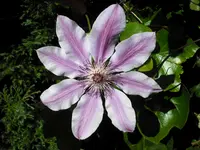
Clematis lanuginosa is a deciduous flowering vine known for its very large, showy blooms in soft shades of white, pink, or pale blue. It climbs by twisting leaf stalks and is usually grown on trellises, fences, or arbors. Originally from central and eastern China, this species has been widely used in breeding many modern large-flowered clematis cultivars. Its vigorous growth and impressive flowers make it attractive but slightly demanding, especially regarding pruning and protection from harsh conditions. It prefers sun on its upper growth and cooler, shaded roots with evenly moist, well-drained soil. Understanding how to care for Clematis lanuginosa helps maintain strong growth and abundant flowering.

Care Difficulty
Moderate Care

Light Preference
Partial Sun

Water Requirements
Regular Water

Temperature Preference
Cold Hardy

Hardiness Zone
5–9

Soil Texture
Loamy, Sandy, Organic-rich

Soil pH
Acidic (5.5–6.5), Slightly acidic (6.5–7.0)

Soil Drainage
Moist but well-drained

Fertilization
Light (every 4–6 weeks)
Scan your plant to receive care tips personalized for your specific plant
Available on iOS and Android
This large-flowered clematis needs bright conditions to flower well while keeping its roots shaded and cool.
This clematis prefers evenly moist, cool soil rather than frequent shallow watering.
This species grows best in mild to warm conditions with cool, protected roots.
This species grows well in typical outdoor humidity but benefits from slightly moist air in hot, dry climates.
This vine prefers deep, moisture-retentive yet free-draining soil for sustained flowering and root health.
This species is suitable for container growing if the pot is large, deep, and very stable.
Good nutrition supports strong flowering and growth in Clematis lanuginosa.
Pruning helps maintain flowering performance and a manageable framework on Clematis lanuginosa.
Transplanting and occasional container repotting keep Clematis lanuginosa healthy and vigorous.
Propagation of Clematis lanuginosa is most reliable from cuttings and layering rather than seed.
Winter care for Clematis lanuginosa focuses on protecting the root zone and vulnerable stems in colder climates.

Plant Health Check
Not sure what's wrong with your plant? Check your plant's health inside the app.
This species is native to montane areas of eastern China, where it grows in scrub and forest margins, which helps explain its tolerance of cool winters but preference for sheltered, well-drained sites in cultivation.
Clematis lanuginosa was a key parent used in the 19th century to breed many of the modern large-flowered clematis cultivars, contributing genes for very large, flat, showy blooms.
Unlike some more robust clematis species, this plant often forms relatively short-lived woody stems and may decline after several years, so traditional Clematis lanuginosa care often includes periodic renewal from the base or replacement planting.

Early introductions of Clematis lanuginosa into European gardens in the mid-19th century were so influential in clematis breeding that the species is widely considered one of the foundational wild parents behind the classic Victorian-era clematis craze.
Lack of flowers often results from incorrect pruning group, insufficient maturity, or previous drought stress. Heavy nitrogen feeding can also favor foliage over buds. Adjust pruning to its group and keep moisture and nutrition consistent to restore flowering.
Keep your plants happy and healthy with plant identification, disease detection, and easy care guidance.