Garden Phlox Care (Phlox paniculata 'Bright Eyes')

About Garden Phlox

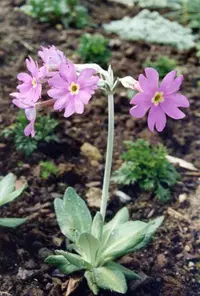
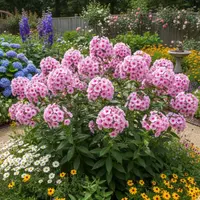
Garden phlox Phlox paniculata 'Bright Eyes' is a herbaceous perennial known for dense clusters of fragrant, pink flowers with darker eyes on tall, upright stems. It forms clumps that gradually expand, creating a colorful vertical accent in mixed borders and cottage-style gardens.

This cultivar originates from breeding work based on wild phlox species native to North America, especially meadow and open woodland habitats. It is generally considered moderately easy to grow, provided it receives enough sun, consistent moisture, and reasonably fertile, well-drained soil.

Good air circulation helps limit mildew problems, which is one of the main factors that influences how to care for Garden Phlox successfully in home gardens.

Main Plant Requirements

Care Difficulty

Moderate Care

Light Preference

Full Sun

Water Requirements

Regular Water

Temperature Preference

Cold Hardy

Hardiness Zone

4–8

Soil Texture

Loamy, Sandy, Organic-rich

Soil pH

Acidic (5.5–6.5), Slightly acidic (6.5–7.0)

Soil Drainage

Moist but well-drained

Fertilization

Light (every 4–6 weeks)

Get Personalized Care Plan

Scan your plant to receive care tips personalized for your specific plant

Available on iOS and Android

How to Care for the Garden Phlox

Phlox paniculata 'Bright Eyes' performs best in bright, open sites with consistent sun exposure.

  • Provide 6–8 hours of direct sun daily; in hotter regions, aim for full morning sun with light afternoon shade to reduce stress.
  • Allow light or dappled shade in the afternoon, but dense shade for more than 4–5 hours can reduce flowering and encourage mildew on Garden Phlox.
  • In summer, monitor for leaf scorch or faded flower color in intense afternoon sun and add light shade; in spring and fall, more direct sun is beneficial.

Phlox paniculata 'Bright Eyes' prefers evenly moist but not saturated soil during the growing season.

  • Water when the top 3–5 cm of soil feels dry, delivering a deep soak at the base so moisture reaches the root zone without flooding.
  • Improve drainage with loose, organic-rich soil; standing water, sour smell, or limp, yellowing lower leaves indicate overwatering and possible root stress.
  • In cool spring and fall, watering needs drop; in hot, dry spells, check soil every 1–2 days, watching for drooping foliage that recovers after evening as a sign of thirst.

This phlox is a hardy perennial that grows well in typical temperate outdoor conditions.

  • Active growth and flowering are strongest around 65–80°F (18–27°C), with steady warmth and moderate humidity promoting sturdy stems and abundant blooms.
  • The plant tolerates winter cold down to about -20°F (-29°C) in the ground, entering dormancy; mulch crowns in colder areas to buffer freeze–thaw cycles.
  • Short heat waves up to about 90°F (32°C) are tolerated if soil stays moist, but prolonged extreme heat or hot, dry winds can cause wilting and smaller flowers.

This perennial tolerates a wide humidity range and rarely needs special humidity management outdoors.

Phlox paniculata 'Bright Eyes' performs best in loose, moist, well-drained ground with moderate organic content.

  • Use a loamy structure with a mix of native soil and 20–30% compost to support root spread and water retention without clogging pores.
  • Ensure drainage by avoiding heavy clay; if necessary, lighten it with coarse sand or fine gravel to prevent standing water around the crown.
  • Aim for slightly acidic to neutral pH, around 6.0–7.0, avoiding strongly alkaline sites that can limit nutrient availability and weaken growth.
  • Avoid compacted or waterlogged areas; incorporate organic matter thoroughly to improve aeration so the fibrous roots receive enough oxygen.

This species can grow successfully in containers given careful attention to moisture balance and root space.

  • Choose a deep, wide container that allows the fibrous roots to spread laterally, preventing the plant from becoming quickly crowded and stressed.
  • Use a heavier pot material such as ceramic or thick-walled terracotta outdoors to reduce tipping risk as stems elongate and flower.
  • Position pots where rain will not pool around their bases so drainage holes stay clear and water can exit freely after storms.

Phlox paniculata 'Bright Eyes' responds well to modest, consistent feeding during the active growing season.

  • Apply a balanced granular or slow-release fertilizer (around 10-10-10) in early spring as new growth starts, following label rates.
  • Supplement poor soils with a thin layer of garden compost around, not against, the stems to improve structure and nutrition.
  • Feed once more in mid-summer if growth weakens, using a half-strength balanced liquid fertilizer on moist soil.
  • Stop feeding Garden Phlox by late summer to allow stems to harden and enter dormancy without soft, frost-susceptible growth.

Phlox paniculata 'Bright Eyes' benefits from seasonal pruning to encourage strong flowering and maintain plant health.

  • In early spring, remove dead, diseased, or winter-damaged stems at ground level using clean bypass pruners.
  • In early to mid-summer, shear off spent flower clusters to promote a tidier shape and support a lighter rebloom.
  • Thin out a few of the oldest, most crowded stems at the base to improve air flow and reduce mildew pressure.
  • After hard frost, cut remaining stems back to 2–5 cm above soil level, then remove debris to limit overwintering pests and diseases.

This perennial is usually grown in the ground, so transplanting and clump division are more important than container repotting.

  • Plan to lift and divide clumps every 3–5 years in early spring or early fall, when temperatures are mild and soil is workable.
  • Transplant when flowering declines, stems become crowded, or the center of the clump thins out compared with the edges.
  • Dig widely around the root zone, lift the clump, and split it into sections with several shoots and healthy roots each.
  • Replant divisions promptly at the same depth, water thoroughly, and shade lightly for a few days to limit transplant stress.

Phlox paniculata 'Bright Eyes' is commonly propagated by division and stem cuttings for reliable, true-to-type plants.

  • Divide mature clumps in early spring or early fall, replanting sections with several shoots and vigorous roots.
  • Take 7–10 cm softwood cuttings in late spring, remove lower leaves, and place in moist, free-draining mix under high humidity.
  • Provide bright, indirect light and temperatures around 65–75°F for cuttings to root steadily.
  • Sow seeds in fall or early spring in prepared beds, understanding seedlings may not match the parent cultivar exactly.

This cold-hardy perennial usually needs only light winter care in most temperate climates.

  • After the first hard frost, cut back dead stems close to the ground to reduce overwintering pests and disease spores.
  • Apply a 5–7 cm layer of mulch around the root zone, keeping it slightly away from crowns, to buffer freeze–thaw cycles.
  • In very cold or exposed sites, leave a few short stems to trap snow, which helps insulate the crown naturally.
  • Container-grown plants in cold regions perform better if the pots are moved into a sheltered, unheated but frost-moderated area.

Care Tips

Airflow spacing

Leave 40–60 cm between clumps and thin crowded stems in spring to increase airflow, which reduces powdery mildew on leaves and flowers when growing Garden Phlox.

Targeted deadheading

Remove spent flower heads down to a strong side bud every few days during bloom to encourage a second flush of flowers and keep stems from diverting energy into seed production.

Seasonal division

Divide mature clumps every 3–4 years in early spring or early fall, replanting only the vigorous outer sections to maintain strong flowering and reduce disease build-up in the crown.

Preventive mildew control

Begin preventive treatments with a labeled fungicide or potassium bicarbonate spray when new growth is 10–15 cm tall, repeating as directed during warm, humid weather to limit powdery mildew establishment.

Sturdy staking

Install low, circular plant supports or discreet stakes in early spring and guide stems through as they grow to prevent lodging and stem breakage in heavy rain or wind without crowding the foliage.

Common Pests and Diseases

Powdery mildew

This disease causes white, powdery patches on leaves, stems, and flower buds, leading to yellowing and early leaf drop. Symptoms include reduced vigor and poor flowering, especially in crowded or humid conditions.

Solution

Improve air circulation by thinning stems and spacing plants properly, and avoid overhead watering so foliage dries quickly. Remove and discard heavily affected leaves, then apply a sulfur or potassium bicarbonate fungicide labeled for powdery mildew according to Garden Phlox care instructions if conditions remain favorable for disease.

Spider mites

These insects feed on leaf undersides, causing fine stippling, dulling of foliage color, and in severe cases webbing between leaves and stems. Symptoms include dry, speckled leaves that may brown and drop during hot, dry weather.

Solution

Spray foliage thoroughly with a strong stream of water to knock mites off, focusing on leaf undersides, and repeat several times per week during outbreaks. For persistent infestations, use insecticidal soap or a horticultural oil, applied in the early morning or evening to avoid leaf burn, and reduce plant stress with regular watering during drought.

Leaf spot

This disease produces small, water-soaked or purple-brown spots on leaves that can enlarge and merge, causing yellowing and premature defoliation. Symptoms include a patchy, uneven look to the foliage, especially in wet, warm weather.

Solution

Remove and dispose of affected leaves promptly and clean up fallen debris around the plant to reduce the source of infection. Improve air movement, water at soil level, and, if needed, apply a copper-based or chlorothalonil fungicide according to label directions when wet weather is forecast or early spots appear.

Stem canker

This disease causes dark, sunken lesions on stems that may girdle the stem, leading to wilting and dieback above the affected area. Symptoms include sudden collapse of individual shoots even when soil moisture is adequate.

Solution

Cut out and discard infected stems back to healthy tissue, making cuts into firm, green growth and disinfecting pruners between cuts with alcohol or a 10% bleach solution. Avoid wounding stems, keep the base of the plant free of old debris, and maintain moderate, even soil moisture to reduce stress that favors canker development.

Nematode damage

These microscopic roundworms feed on roots and sometimes inside stems, leading to stunted plants with yellow, sparse foliage despite adequate water and nutrients. Symptoms include poor growth in irregular patches of a planting bed, with plants that fail to thrive compared to nearby species less sensitive to nematodes.

Solution

Remove and discard severely affected plants and avoid replanting phlox in the same exact spot for several years, rotating with less susceptible species. Improve soil organic matter, maintain good fertility, and consider using soil solarization in sunny climates during summer to reduce nematode levels before replanting.

Interesting Facts

Stable bicolor breeding

This cultivar was selected in the mid-20th century for its stable, contrasting pink eye on a pale background, which holds its pattern reliably from year to year instead of reverting to solid color as some older garden phlox types can do.

Improved mildew tolerance

Compared with many traditional tall garden phlox, this selection is known among breeders and public trial gardens for relatively good resistance to powdery mildew, a common fungal disease that often defoliates older Phlox paniculata varieties in midsummer.

Compact border habit

Bright Eyes was introduced as a more compact tall phlox, typically forming sturdy upright clumps suited to the front or mid-border rather than the very tall, often floppy growth seen in many classic cottage-garden phlox selections.

FAQs about Garden Phlox

Lack of flowers commonly comes from too much shade, nutrient-poor or very dry soil, or old, congested clumps. Division every 3–4 years, moderate fertilizer, and removal of faded blooms usually restores flowering in this species.

Grow Healthy Plants with Botan Care

Keep your plants happy and healthy with plant identification, disease detection, and easy care guidance.

Botan plant care app — identify plants on mobile

Explore More Plants