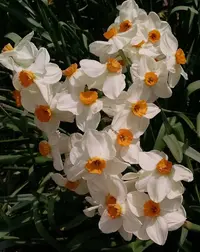



Daffodil (Narcissus 'Geranium') Light Needs

Daffodil grows best in full sun, with several hours of direct light during active spring growth.

Light Preference

Full Sun

Narcissus 'Geranium' Light Requirements

Spring-flowering narcissus cultivars grow from bulbs that complete most of their leafy growth before surrounding vegetation becomes dense. In open beds, meadows, and lightly wooded margins, they receive strong seasonal sunlight while temperatures are still mild.

That pattern explains why cultivated plants bloom best with open sky and direct spring sun. Light shade can be tolerated for part of the day, but deep shade weakens flowering. Preferred light is full sun.

  • Daily exposure:

    Daffodil needs about 6–8 hours of full sun daily, including at least 4–6 hours of direct sun during active growth.

  • Direct sun:

    Cool spring direct sun is ideal and supports sturdy leaves, strong stems, and reliable blooming.

  • Partial sun:

    Part sun is tolerated, but flowering may be lighter if direct sun drops below half a day.

  • Harsh heat:

    Very hot afternoon sun can shorten flower life, especially when blooms open during warm spells.

Full sun is usually suitable, but heat and sudden exposure can still cause stress.

Faded blooms:

Flowers may lose color faster when exposed to hot, intense afternoon sun.

Papery petals:

Petal edges can turn dry or translucent after sudden heat and strong direct light.

Bleached leaves:

Foliage may show pale, sun-scorched patches if moved abruptly from shade to full sun.

Short bloom time:

Blooms may open and decline quickly during unusually warm, bright spells.

Shift containers to morning sun with light afternoon shade, or use nearby seasonal cover to soften the hottest rays. Keep established garden bulbs in sun unless damage follows a sudden exposure change.

Low light is most noticeable during active spring growth. Narcissus 'Geranium' needs enough sun while leaves are green to support flowers and bulb energy.

  • Leaning stems:

    Flower stems may angle strongly toward brighter light instead of standing upright.

  • Weak leaves:

    Leaves can grow longer, softer, and more floppy when light is too low.

  • Poor flowering:

    Buds may be fewer, smaller, or absent when bulbs spend spring growth in shade.

  • Thin clumps:

    Clumps may fail to build strength for the next season if foliage cannot photosynthesize well.

Move containers or future plantings to a brighter open position with at least half a day of direct sun. Avoid judging dormant bulbs, since lack of visible growth after the season is normal.

Choose the brightest open planting spot available if full-day sun is limited. Prioritize morning and midday sun because they support growth without as much heat stress during bloom.

Remove or reduce seasonal shade from nearby branches, fences, or dense planting before spring growth begins. Rotate containers outdoors if one side receives much stronger light.

Avoid deep shade under dense overhead cover. That setup does not provide enough direct spring light for strong flowering.

Get Personalized Care Plan

Scan your plant to receive care tips personalized for your specific plant

FAQ

Daffodil light requirements are full sun for best flowering. This plant should receive bright outdoor light with several hours of direct sun during active spring growth.

More Plant Light Guides

Get the Botan App

Discover how to care for your plants with Botan.

Botan app identifying a plant with a phone camera
Is Sugar Water Good for Plants?

4 min read · 14 Sept 2026

Is Sugar Water Good for Plants?

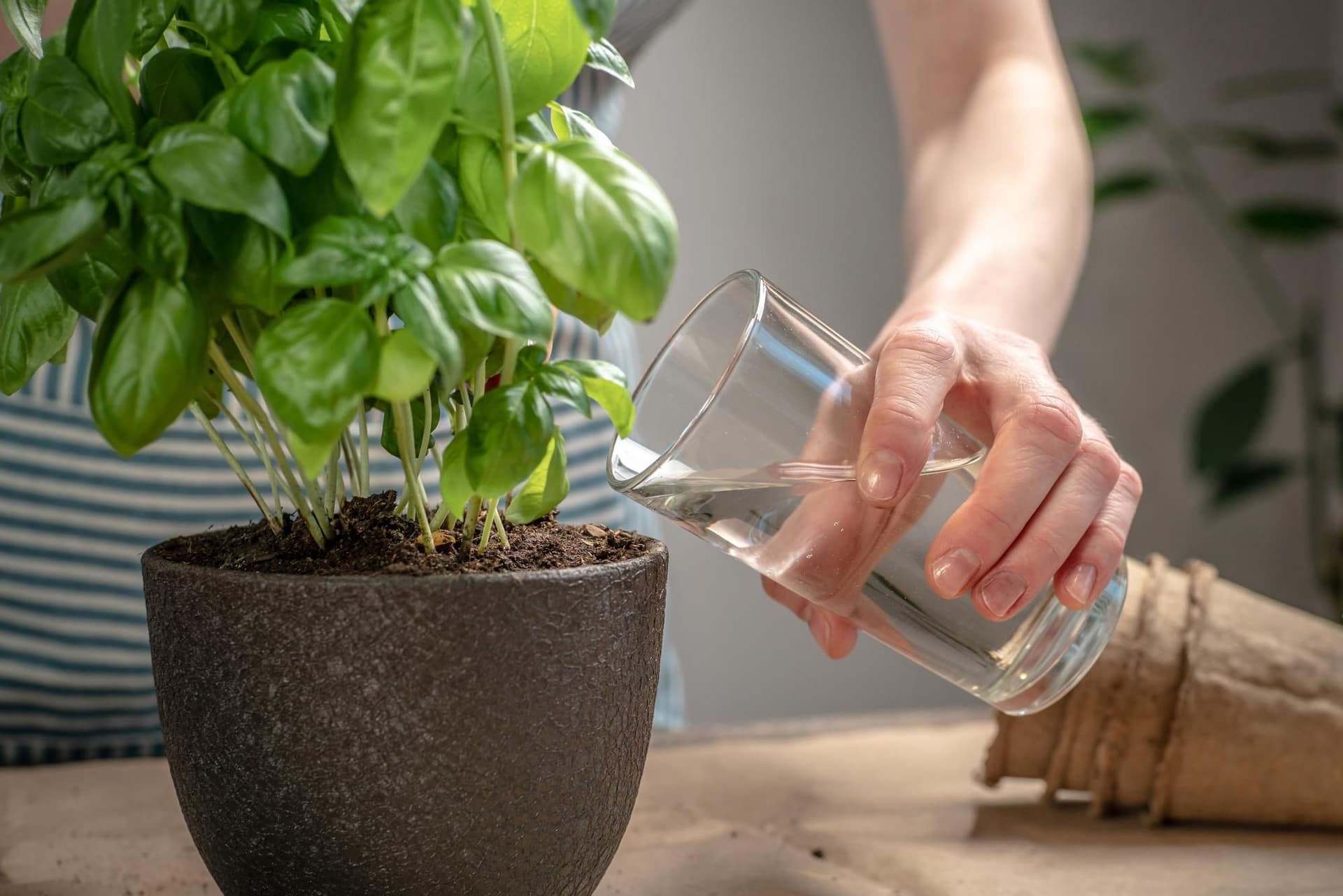
Sugar water may sound like an easy boost, but most rooted plants do not need extra sucrose. This guide explains how green tissues produce carbohydrates, when a sweetened solution can be useful, and why too much can cause problems.

Plant Care
Is Sugar Water Good for Plants?
Plant Pot Sizes: How to Choose the Right Plant Container

7 min read · 20 Aug 2026

Plant Pot Sizes: How to Choose the Right Plant Container

Plant pot sizes can be confusing because the number on the label only tells you part of the required information. A container may look spacious but actually be too shallow. So, how to choose pot size for plant species?

Beginner Guides
Plant Pot Sizes: How to Choose the Right Plant Container
12 Best Plants That Repel Spiders For Your Home and Garden

8 min read · 24 Jul 2026

12 Best Plants That Repel Spiders For Your Home and Garden

Spiders constantly appear in places you don't want them. A few common plants can help repel them using scent alone. Here are 12 options suitable for both indoors and outdoors, plus care tips for each.

Plant Recommendations
12 Best Plants That Repel Spiders For Your Home and Garden