



Snowdrop (Galanthus woronowii) Light Needs

Snowdrop grows best in partial shade with bright, filtered light and only gentle direct sun during cool periods.

Light Preference

Partial Shade

Galanthus woronowii Light Requirements

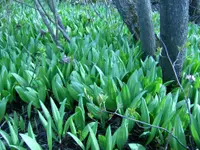
In the wild, Galanthus woronowii grows in cool, moist woodland edges, open deciduous woods, and mountain meadows where winter and early spring bring more light before trees fully leaf out. Its growth period is short, so it uses gentle seasonal sun rather than hot, exposed summer conditions. In cultivation, this translates to partial shade with bright filtered light and brief cool-season sun.

  • Ideal exposure:

    Snowdrop needs about 4–6 hours of bright filtered light daily, including up to 2–3 hours of gentle direct morning sun in cool weather.

  • Direct sun:

    Avoid prolonged midday or afternoon sun, especially once temperatures rise, because leaves can scorch and flowers fade faster.

  • Open shade:

    Light shade is tolerated, but very dim sites often produce weaker stems and fewer flowers.

  • Seasonal light:

    Deciduous-canopy light is useful because winter sun reaches the leaves while summer shade protects dormant bulbs.

Excess light usually shows after harsh midday or afternoon sun.

Bleached foliage:

Narrow leaves may look pale, washed out, or streaked where direct sun hits them.

Scorched tips:

Tips or exposed leaf sections can turn tan and papery after sudden bright exposure.

Short-lived flowers:

Blooms may fade, brown, or collapse quickly when sunlight is strong and warm.

Heat-flattened growth:

Stems may bend away from the sun or lie down during bright, warm spells.

Move Galanthus woronowii into partial shade or protect it from the hottest part of the day. Keep morning sun only if the foliage stays firm and green.

Too little light is most noticeable during active winter and spring growth. Dormant bulbs will not show this problem, but active growth can.

  • Stretched stems:

    Flower stems and leaves may grow longer, thinner, and less upright than normal.

  • Leaning growth:

    Clumps may angle toward the brightest side instead of standing evenly.

  • Reduced bloom:

    Bulbs in dim shade may produce fewer flowers, even when leaves still emerge.

  • Small new leaves:

    Fresh leaves may stay narrow and short during the main growth period.

Move Galanthus woronowii to brighter open shade or a place with gentle morning sun. Avoid shifting from deep shade straight into strong afternoon light.

Choose a bright partial-shade site if ideal woodland light is not available. Aim for morning sun and protection after midday, especially near walls, paving, or south-facing exposures that hold heat.

Thin nearby cover lightly or remove low debris if the planting area stays too dim in late winter.

A hot, open bed is unsuitable because strong afternoon sun can shorten bloom and stress active foliage.

Get Personalized Care Plan

Scan your plant to receive care tips personalized for your specific plant

FAQ

The best light for Snowdrop is bright filtered light or partial shade, with some gentle direct sun during cool weather. Avoid hot, exposed afternoon sun.

More Plant Light Guides

Get the Botan App

Discover how to care for your plants with Botan.

Botan app identifying a plant with a phone camera
How to Winterize Your Garden in 6 Steps

5 min read · 28 Sept 2026

How to Winterize Your Garden in 6 Steps

Learn how to prepare your garden for winter with a practical six-step checklist covering cleanup, tender plant care, watering, mulching, winter protection, and winterizing equipment and containers.

Plant Care
How to Winterize Your Garden in 6 Steps
Top 15 Plants That Don’t Need Sunlight

8 min read · 17 Sept 2026

Top 15 Plants That Don’t Need Sunlight

Some plants thrive in dim rooms, shaded corners, and places with indirect light. In this guide, you’ll explore the top 15 species best suited to low-light conditions and how to care for them.

Plant Recommendations
Top 15 Plants That Don’t Need Sunlight
How to Bottom Water Plants: Complete Guide

6 min read · 13 Jul 2026

How to Bottom Water Plants: Complete Guide

Bottom watering helps soil absorb moisture evenly and keeps foliage dry, reducing the risk of missed dry spots or root problems. Place the pot in a tray of water for a short time, then let it drain well.

Plant Care
How to Bottom Water Plants: Complete Guide