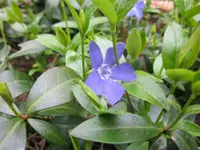



Creeping myrtle (Vinca minor) Light Needs

Сreeping myrtle grows best in partial shade, with filtered light or gentle sun for steady, dense growth.

Light Preference

Partial Shade

Vinca minor Light Requirements

Vinca minor is native to much of Europe and parts of western Asia, where it grows along woodland edges, open woods, scrub, and shaded banks. These sites often receive cool morning sun, filtered light through trees, and brighter seasonal light before canopies fully leaf out. In cultivation, this background explains its tolerance of shade and some sun. Preferred light is partial shade.

  • Ideal exposure:

    Ideal exposure: Vinca minor needs about 4–6 hours of filtered light or partial sun daily, including 2–4 hours of gentle direct morning sun.

  • Full sun tolerance:

    Established plantings can tolerate 6 or more hours of direct sun in cool, moist sites, but harsh afternoon sun can scorch or fade foliage.

  • Shade tolerance:

    Shade is tolerated, especially under trees, but dense shade usually reduces flowering and makes coverage thinner.

  • Safer sun:

    Morning sun is safer than hot afternoon exposure in warm climates or reflected heat near walls and pavement.

Strong sun is most likely to cause problems after a sudden move or during hot afternoons.

Bleached foliage:

Leaves may look washed out or pale on the sun-facing side, especially where exposure changed quickly.

Scorched patches:

Tan or brown dry spots can appear on upper leaves that receive the strongest direct sun.

Faded blooms:

Blooms may fade faster when plants sit in intense afternoon light and reflected heat.

Compact growth:

Stems may stay shorter with smaller, tougher-looking leaves in exposed, hot sites.

Move containers or new plantings to partial shade, or add light filtering during the hottest part of the day. Increase sun exposure gradually if a brighter site is needed.

Deep shade can keep Vinca minor alive, but growth often becomes sparse.

  • Stretched stems:

    Long runners with wide gaps between leaf pairs suggest the plant is reaching for stronger light.

  • Few flowers:

    Buds and blooms may be limited when the site stays dim through the growing season.

  • Thin coverage:

    New growth may spread slowly and leave bare patches instead of forming a dense mat.

  • Small new leaves:

    Fresh leaves may emerge smaller when light is too weak to support steady growth.

Shift it to a brighter shaded site with morning sun or filtered overhead light. Avoid moving directly from deep shade into strong afternoon sun.

When ideal partial shade is not available, choose morning sun with afternoon shade as the safest compromise. In hotter sites, add a screen or use nearby structure to reduce direct afternoon rays.

Trim overhead cover or remove nearby obstacles that block filtered light, especially if flowering is weak. Rotate container-grown plants occasionally so trailing growth receives light evenly.

Deep, enclosed shade is a poor setup because it keeps growth thin and limits bloom production.

Get Personalized Care Plan

Scan your plant to receive care tips personalized for your specific plant

FAQ

The best light for Сreeping myrtle is partial shade: bright filtered light or morning sun with afternoon shade. This exposure supports dense growth and better flowering without excessive heat stress.

More Plant Light Guides

Get the Botan App

Discover how to care for your plants with Botan.

Botan app identifying a plant with a phone camera
What Do Plants Need to Grow – 5 Things Every Greenery Can't Live Without

8 min read · 31 Jul 2026

What Do Plants Need to Grow – 5 Things Every Greenery Can't Live Without

To keep plants healthy and thriving, provide the right balance of light, humidity, nutrients, airflow, and quality soil. This guide covers the essentials of year-round plant care.

Beginner Guides
What Do Plants Need to Grow – 5 Things Every Greenery Can't Live Without
Plants That Repel Mosquitoes – 10 Effective Choices

8 min read · 6 Jul 2026

Plants That Repel Mosquitoes – 10 Effective Choices

Plants that repel mosquitoes can help mask human scent naturally and make outdoor spaces more comfortable. Explore the most effective options, their benefits and drawbacks, and choose the right plant for your space.

Plant Recommendations
Plants That Repel Mosquitoes – 10 Effective Choices
20 Most Popular Fruits Around the World

7 min read · 22 Jul 2026

20 Most Popular Fruits Around the World

Curious which fruits the world actually eats the most? Here's the top-20 by production volume, an overview of what people choose in each region, and a few figures that defy common assumptions.

Plant Recommendations
20 Most Popular Fruits Around the World