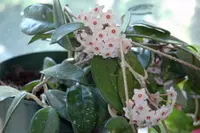



Wax Plant (Hoya carnosa) Light Needs

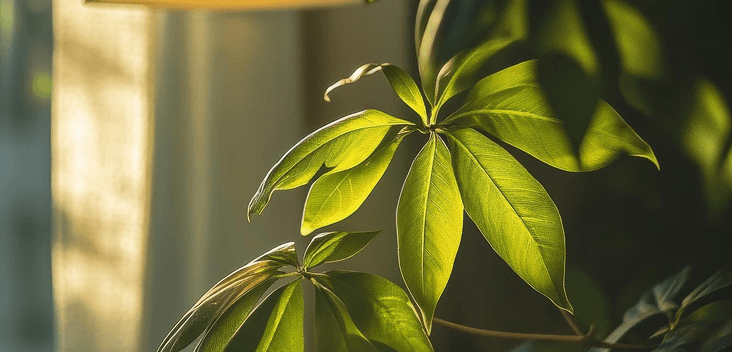
Wax Plant grows best in bright, indirect light with a few hours of gentle morning sun.

Light Preference

Bright Indirect Light

Hoya carnosa Light Requirements

Hoya carnosa is native to warm, humid parts of eastern Asia, where it grows as a climbing or trailing plant in forest edges and open woodland. Its stems often receive filtered light through tree canopies, with some mild seasonal sun rather than harsh all-day exposure.

This background explains its tolerance of shade, but cultivated plants grow fuller and flower more reliably with stronger filtered exposure. Preferred light is bright, indirect light.

  • Ideal exposure:

    Hoya carnosa needs about 6–8 hours of bright, indirect or filtered light daily, including up to 2–3 hours of gentle direct morning sun.

  • Direct sun limit:

    Harsh midday or afternoon sun can scorch leaves, especially behind hot glass.

  • Lower light tolerance:

    It can survive in shade or lower indoor light, but growth and flowering usually slow.

  • Morning sun:

    Early sun is safer than late-day sun because it is cooler and less intense.

Indoors, this species performs best near a bright window without prolonged hot sun.

NConditional
North-facing window:

Use only if the window is large, unobstructed, and close to the plant; flowering may be limited.

EBest
East-facing window:

Place it within 1–3 ft of the glass for bright morning sun and soft light later.

SSuitable
South-facing window:

Set it 3–6 ft back or use a sheer curtain so direct sun is filtered.

WConditional
West-facing window:

Use a sheer curtain or place it several feet back to avoid hot afternoon rays.

Adjust placement seasonally if sun angles or nearby shade change the light pattern.

Excess light usually appears where strong sun hits the leaves.

Bleached patches:

Sun-exposed leaves may develop pale yellow, cream, or tan areas that do not green up again.

Dry sun spots:

Sudden direct sun can leave crisp, flat brown patches on the upper leaf surface.

Reddened leaves:

A slight reddish tint can occur in bright light, but a washed or stressed look suggests exposure is too intense.

Hot-window stress:

Leaves closest to west or south glass may look dull or marked while shaded leaves remain normal.

Move the plant back from the glass or filter the sun with a sheer curtain. Keep bright indirect light, but reduce direct afternoon exposure first.

Low light often shows up gradually, especially during active growth. The plant may stay alive but use energy less efficiently.

  • Stretched vines:

    New stems may grow long and thin, with wider gaps between leaves.

  • Leaning growth:

    Vines may angle strongly toward the nearest bright window instead of growing evenly.

  • Few flowers:

    Mature plants are less likely to form flower clusters when light stays weak for long periods.

  • Small new leaves:

    New leaves may be smaller, thinner, or slower to harden than older leaves.

  • Duller variegation:

    Variegated forms may produce less contrast when light is consistently low.

Move it to a brighter position with indirect light, then watch new growth rather than older leaves for improvement.

If ideal light is not available, choose the brightest spot that avoids harsh afternoon sun. A place with steady indirect light is better than a dark corner with brief sun.

Rotate the pot a quarter turn every 1–2 weeks so vines receive more even exposure. Clean dusty leaves gently so available light reaches the surface.

Do not rely on a room’s general brightness if the plant sits several feet from the window; usable light drops quickly with distance.

Get Personalized Care Plan

Scan your plant to receive care tips personalized for your specific plant

FAQ

The best light for Wax Plant is bright, indirect light for most of the day, with brief gentle morning sun if the plant has been acclimated.

Everything About Wax Plant

More Plant Light Guides

Get the Botan App

Discover how to care for your plants with Botan.

Botan app identifying a plant with a phone camera
Best Bedroom Plants – Top 10 to Grow in Your Space

8 min read · 8 Jul 2026

Best Bedroom Plants – Top 10 to Grow in Your Space

Discover the top 10 houseplants that are suitable for growing in your bedroom. Compare their light and water needs, pet safety, and benefits. Find out where best to place greenery in your relaxation space and what species to avoid.

Plant Recommendations
Best Bedroom Plants – Top 10 to Grow in Your Space
How to Tell if a Plant Is Dead

6 min read · 19 Aug 2026

How to Tell if a Plant Is Dead

A plant can lose its leaves, stop growing, or collapse and still remain alive. A closer look at the stems, roots, bulbs, and tubers can show whether the plant still has a chance to recover.

Beginner Guides
How to Tell if a Plant Is Dead
Plants That Repel Bugs – 20 Effective Options

12 min read · 16 Jul 2026

Plants That Repel Bugs – 20 Effective Options

Mosquitoes on the patio? Gnats in the kitchen? Some plants keep them away with the scent of their own leaves. Here are 20 that deal with mosquitoes, flies, aphids, and more, plus where to put them so they help.

Plant Recommendations
Plants That Repel Bugs – 20 Effective Options