


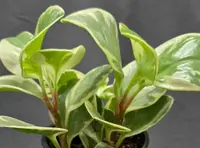
Best Soil for Wax Plant (Hoya carnosa)

A loose, well-drained mix helps Hoya carnosa maintain healthy roots while still holding enough moisture and organic matter.

Soil Texture

Sandy, Loamy

Soil pH

Slightly acidic (6.5–7.0), Neutral (7.0)

Soil Drainage

Well-drained

Hoya carnosa Soil Guide

Native to eastern Asia and Australia, Hoya carnosa grows in warm, humid settings where roots get airflow and excess water drains away quickly. That background explains why dense, soggy potting media tends to work poorly for this species.

The best soil for Wax Plant is loose, well-drained, and slightly moisture-retentive rather than heavy. Its roots benefit from a sandy-loamy texture with organic matter that holds some moisture but still leaves air spaces, which helps support steady root function without staying wet for long.

A simple homemade mix gives Hoya carnosa the balance of airflow and moisture control it needs in containers.

100% total mix = 20 scoops
20%
perlite or pumice4 scoops
20%
compost or worm castings4 scoops
25%
orchid bark5 scoops
35%
coco coir or peat moss7 scoops

The finished mix should feel light, chunky, and slightly springy, with water moving through quickly while a small amount stays evenly available.

A slightly acidic to near-neutral range of about 5.5–7.0 suits Wax Plant well. Within that range, roots can take up key nutrients more efficiently without strong chemical imbalance in the potting medium.

This species tends to do best on the mildly acidic side, where iron and other micronutrients remain more available. Small shifts are usually tolerated, but staying near the middle of that range supports steadier growth.

This species is more sensitive to stale, compacted root conditions than many houseplants. Soil may be part of the issue when growth slows or the pot stays heavy for too long.

Compacted mix:

Dense material can limit air around roots and keep the pot wet too long; loosen the surface gently and replace the mix if it no longer drains freely.

Staying wet too long:

If the container remains heavy and damp for many days, the root zone may be holding too much moisture; move to a faster-draining medium as a first response.

Hydrophobic soil:

Very dry mix can start shedding water instead of absorbing it evenly; re-wet it gradually so the root ball can take moisture back in.

Salt buildup:

White crust on the soil surface or pot rim can point to mineral accumulation; flush thoroughly and remove the top layer if residue keeps returning.

Soil Help, Fast

Botan helps narrow down a better soil match by comparing your plant’s condition with common mix and drainage issues.

FAQ

Yes. Drainage holes let excess water leave the container and allow more air into the root zone, which helps the mix stay balanced instead of turning stagnant.

Everything About Wax Plant

More Plant Soil Guides

Check Your Soil Choice

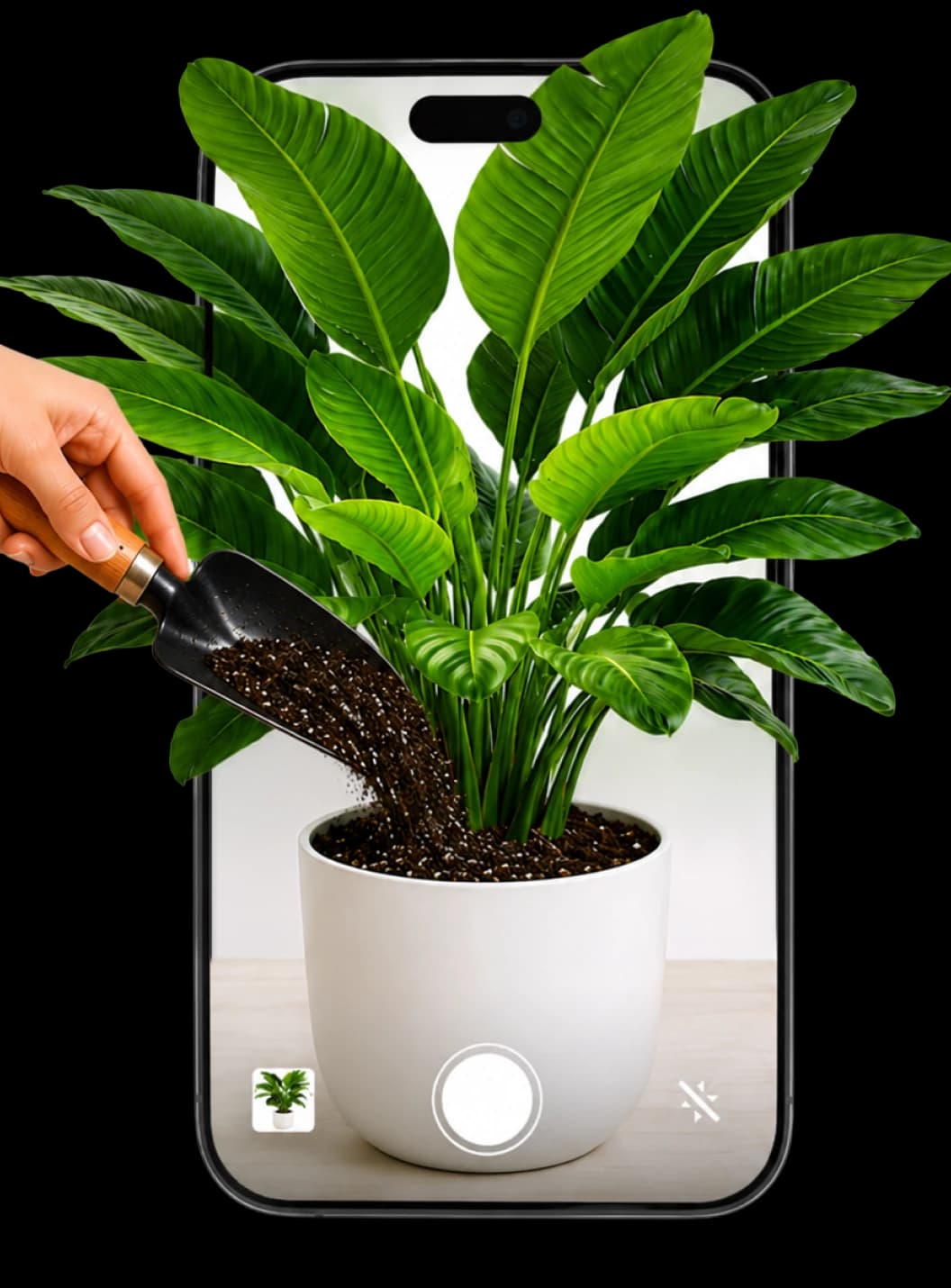
If a plant looks off, soil conditions may be one factor to check. Botan’s photo-based assessment can help point to likely contributors.

Botan app helping with soil and plant care
How To Revive a Dying Plant: 6 Steps To Bring A Plant Back To Life

6 min read · 1 Sept 2026

How To Revive a Dying Plant: 6 Steps To Bring A Plant Back To Life

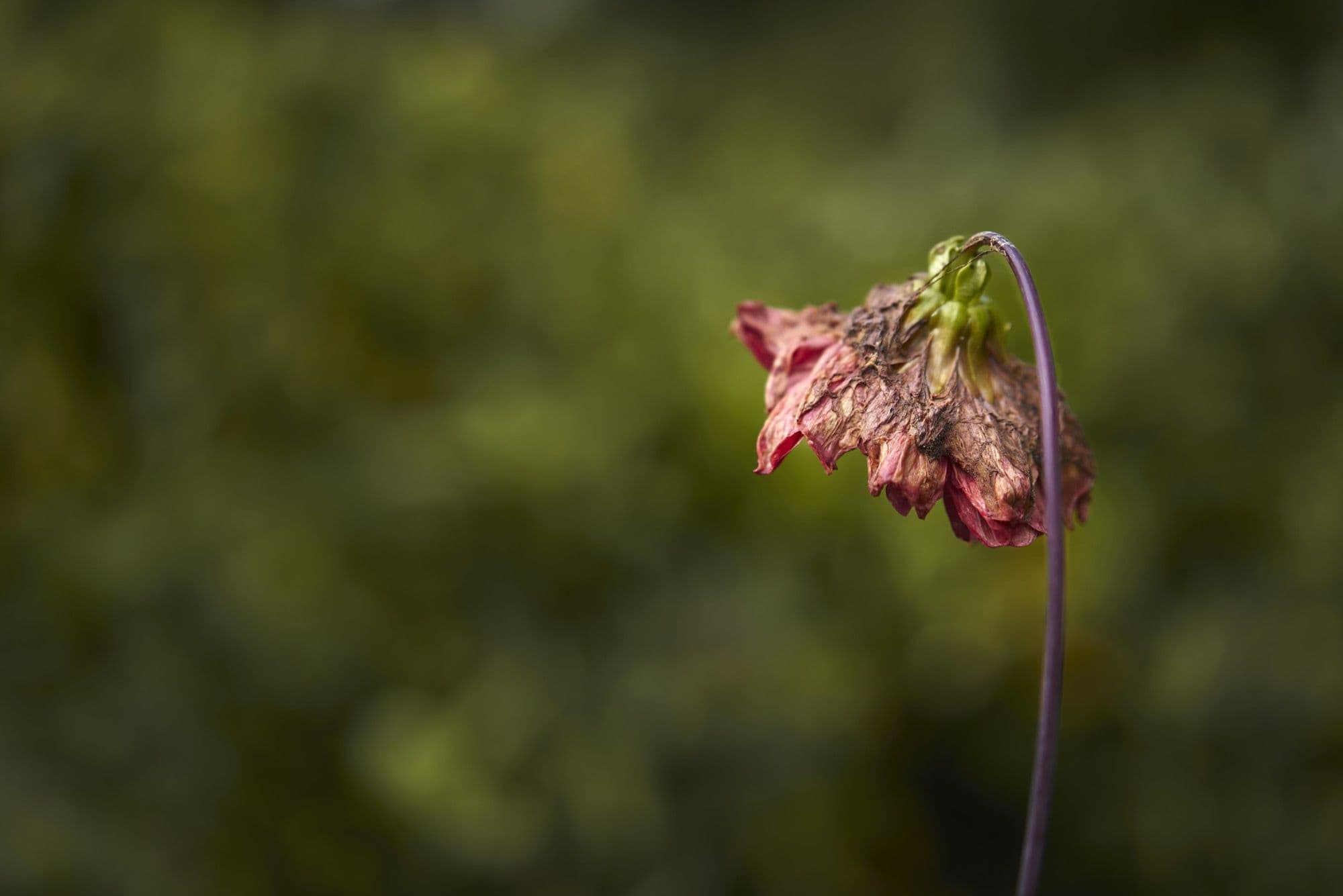
Drooping leaves and brown tips don't always mean the end, and a weakened plant can often recover with a little help. These six simple steps will help you revive a dying plant and restore its health.

Plant Care
How To Revive a Dying Plant: 6 Steps To Bring A Plant Back To Life
10 Easy Garden Flowers to Grow

8 min read · 10 Sept 2026

10 Easy Garden Flowers to Grow

Discover 10 garden flowers that require minimal care. Learn which characteristics make plants easy to grow and follow tips on how to create a beautiful corner from beginner-friendly blooms on your property.

Beginner Guides
10 Easy Garden Flowers to Grow
How to Water Houseplants: Watering Guide

7 min read · 24 Aug 2026

How to Water Houseplants: Watering Guide

Learn how often to water indoor plants, key factors for proper watering, and how to adjust the care routine by plant type, season, pot size, light, and indoor conditions.

Plant Care
How to Water Houseplants: Watering Guide