


-1-200x150.webp)
7 min read · 24 Aug 2026
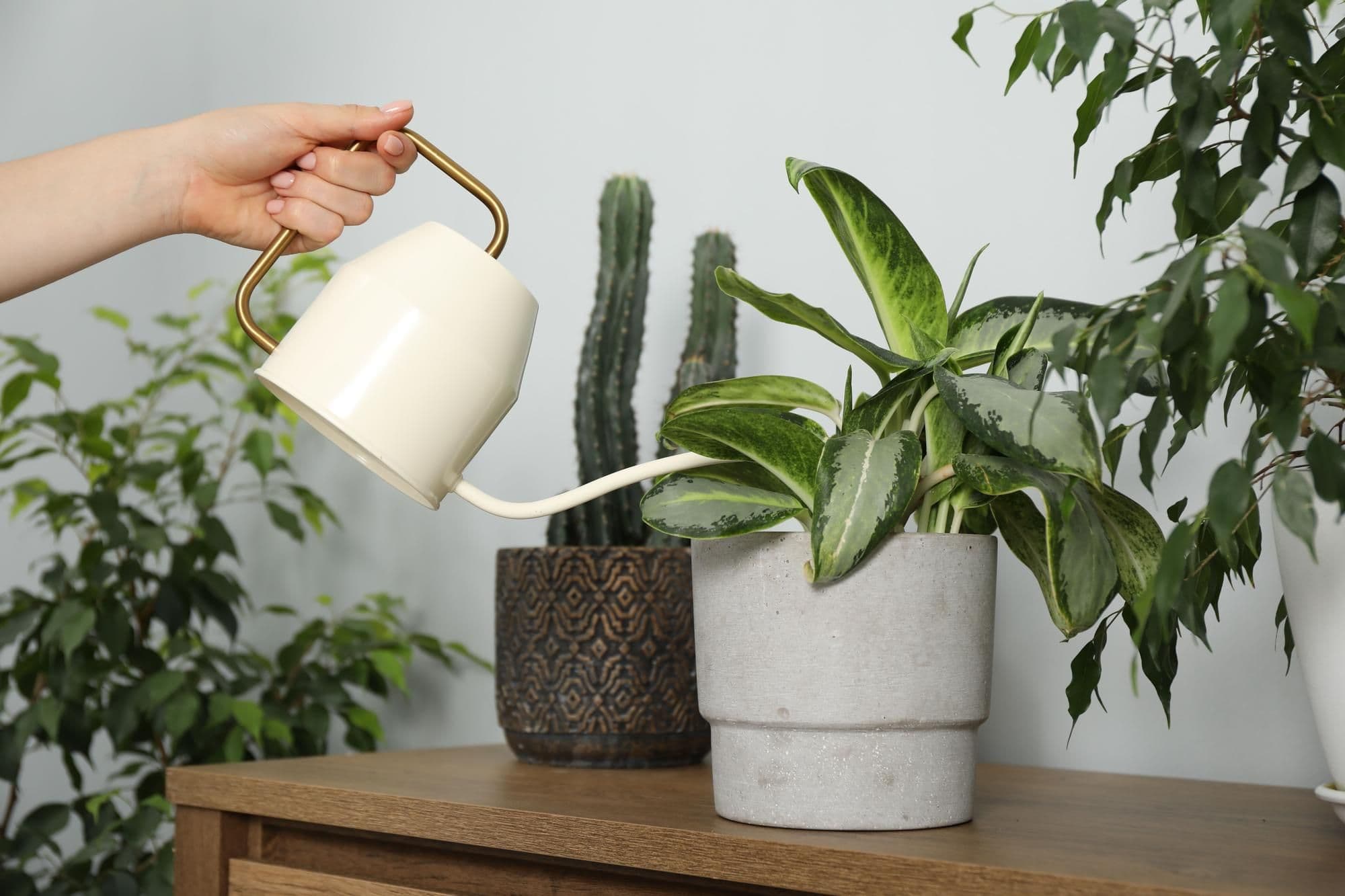
How to Water Houseplants: Watering Guide
Learn how often to water indoor plants, key factors for proper watering, and how to adjust the care routine by plant type, season, pot size, light, and indoor conditions.
Plant Care

Hop grows best in full sun, with long daily exposure that supports strong vines and cone production.

Light Preference
Full Sun
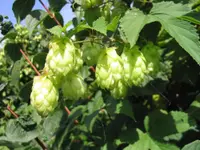
Wild populations are typically found in temperate thickets, hedgerows, riverbanks, and woodland edges where climbing stems can reach above surrounding vegetation. Young shoots may start in partial shade, but mature vines often grow toward open sun as days lengthen.
This pattern explains why cultivated plants tolerate some partial sun but perform best with long, unobstructed exposure. Preferred light is full sun.
Hop needs about 6–8 hours of full sun daily, including 6 or more hours of direct sun when grown for strong vines and cones.
4–6 hours of direct sun is tolerated, but growth and cone production may be lighter.
Established outdoor plants can handle afternoon sun, though sudden exposure after shade can scorch tender leaves.
Bright shade or low light leads to stretched, weak growth and poor flowering.
Excess light usually appears after a shaded vine is moved into strong sun or during hot, exposed afternoons.
Pale tan or whitish areas may form on leaves facing the strongest direct sun.
Sunburned tissue can turn papery and remain sharply limited to exposed surfaces.
New shoot tips and thin young leaves may curl or crisp after sudden exposure.
Leaves may droop during harsh sun, then look better once the light softens.
Move the vine into morning sun or give temporary shade during the hottest part of the day. Reintroduce stronger sun over 7–10 days.
Low light shows most clearly during active vine growth. Humulus lupulus may stay alive in partial sun, but shade limits its strength.
Long gaps between leaf nodes suggest the plant is reaching for stronger light.
Shoots may angle toward the brightest side instead of climbing evenly.
Flowering and cone production often decline when daily direct sun is too short.
New leaves may emerge smaller and thinner than older growth.
Vines may add length slowly during warm months despite being in the growing season.
Shift the plant to a sunnier outdoor spot with at least several hours of direct sun. Increase exposure gradually if it has been shaded.
If full-day sun is not available, choose the brightest site that still gives at least 4–6 hours of direct sun. Treat this as a compromise for Humulus lupulus light needs, not an equal substitute.
Train vines where nearby structures do not cast midday shade, and redirect new growth toward the open side as it climbs.
Avoid deep shade under roofs or dense cover, because it encourages long, weak stems and poor cone development.
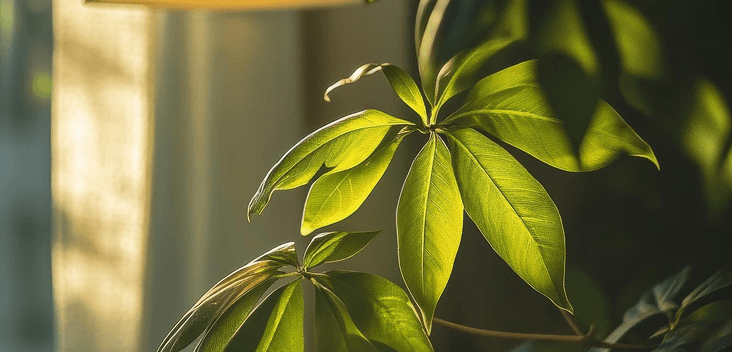
Plant Light Guide
Find the ideal light conditions for your plant and support healthy growth
Scan your plant to receive care tips personalized for your specific plant
The best light for hop is full sun outdoors. This plant performs best with long, direct exposure, especially when strong vine growth and cone production are the goal.
Discover how to care for your plants with Botan.
7 min read · 24 Aug 2026
Learn how often to water indoor plants, key factors for proper watering, and how to adjust the care routine by plant type, season, pot size, light, and indoor conditions.
13 min read · 28 Jul 2026
Learn which of the 15 fastest-growing trees will suit your area. We’ll share detailed information on each: growth rate, mature spread, key tree demands, and main vulnerabilities. Read on and make the best choice possible.
7 min read · 6 Aug 2026
Summer seeding succeeds when the grass type suits the season, and the soil stays moist. Find out how to prepare the seedbed and choose a safe window for planting.