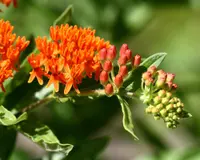
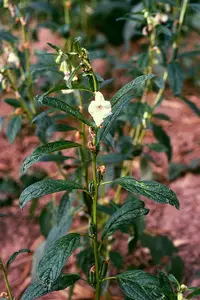
Best Soil for Butterfly weed (Asclepias tuberosa)

Asclepias tuberosa grows best in loose, sharply draining soil that supports healthy root development and steady nutrient uptake.

Soil Texture

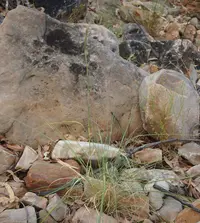
Sandy, Loamy, Rocky

Soil pH

Acidic (5.5–6.5), Slightly acidic (6.5–7.0)

Soil Drainage

Well-drained

Asclepias tuberosa Soil Guide

Native to much of eastern and central North America, Asclepias tuberosa grows in open prairies, meadows, roadsides, and rocky slopes where water drains quickly and soil stays airy. That habitat explains its preference for lean, mineral-rich ground rather than dense, moisture-holding mixes.

The best soil for Butterfly weed is well-drained, sandy, loamy, or rocky, with a slightly acidic to mildly acidic reaction. It develops a deep taproot, so loose soil is important. Good aeration helps roots move downward and supports steady growth without prolonged dampness around the root zone.


A simple mineral-leaning mix suits Asclepias tuberosa well in containers. It should stay open enough for air movement around the roots.

100% total mix = 20 scoops
10%
fine gravel2 scoops
20%
perlite or pumice4 scoops
30%
coarse sand6 scoops
40%
potting soil8 scoops

The finished mix should feel loose and gritty, not heavy or sticky, and excess moisture should move through it without pooling.

Butterfly weed does best in slightly acidic to mildly acidic soil, with an ideal range around 5.5–7.0 pH. That range helps key nutrients stay available without making the root zone overly sharp or imbalanced.

Asclepias tuberosa can handle some natural variation, but staying near that range supports steadier uptake of nutrients such as iron, phosphorus, and manganese over time.

This species is often more sensitive to heavy, airless root zones than to lean soil. Check soil conditions as one possible cause when growth seems stalled.

Compacted soil:

Compacted soil: if the surface crusts and water sits briefly instead of sinking in, gently loosen only the top layer and improve pore space in future refreshes.

Persistent sogginess:

Persistent sogginess: a mix that stays wet for long periods can stress Butterfly weed roots, so first confirm drainage holes are clear and reduce trapped moisture around the root zone.
Hydrophobic mix:

Hydrophobic mix: if very dry soil shrinks from the pot edge and sheds water, rewet it gradually in stages until moisture spreads evenly again.

Old depleted soil:

Old depleted soil: if the mix has broken down into fine particles and dries unevenly, replace part or all of it with fresher material that keeps its structure better.

Soil Help, Fast

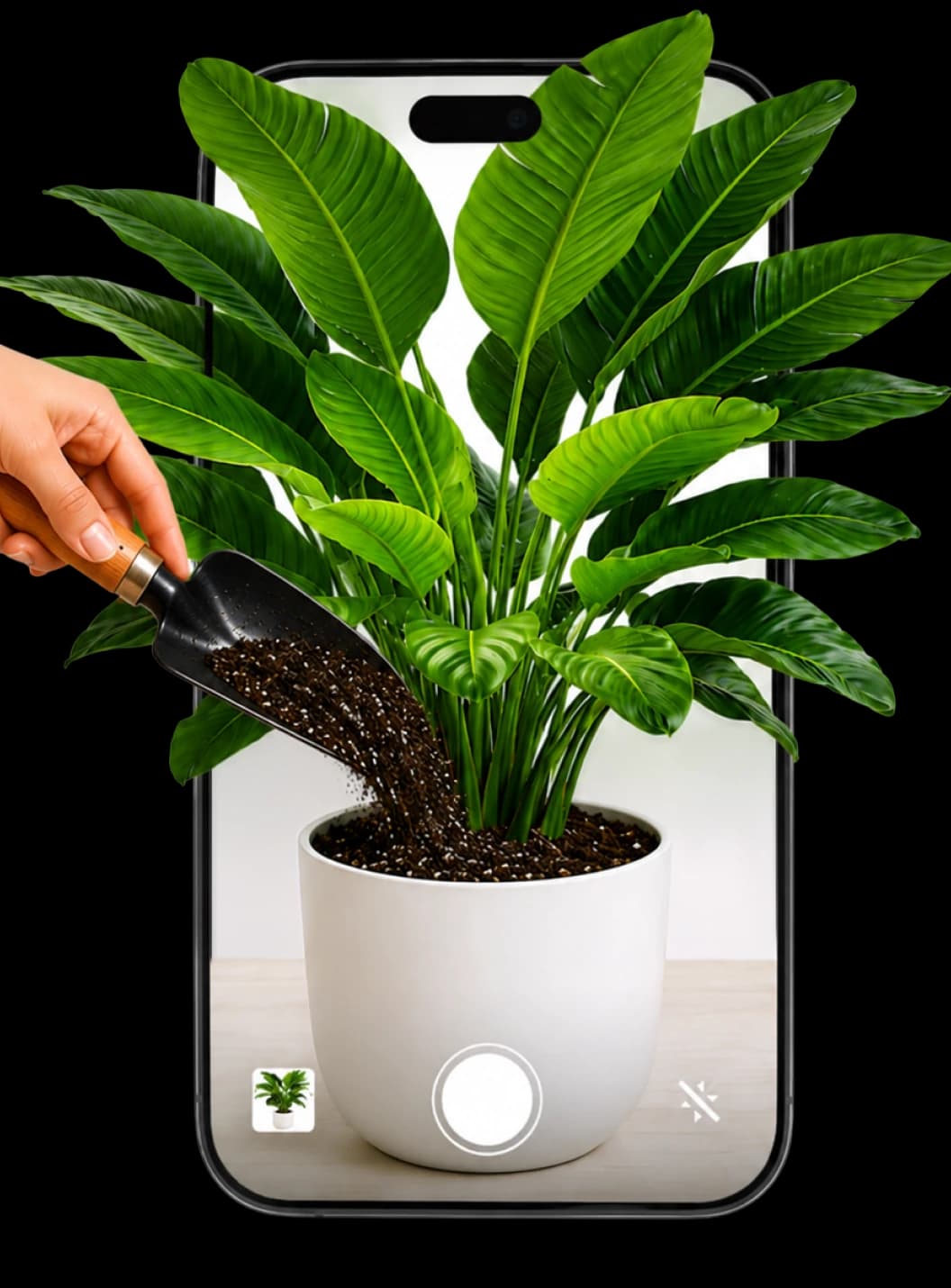
Botan can help assess your plant and guide a more suitable soil choice based on its current condition and growing setup.

FAQ

Yes. A deeper pot suits its strong downward root growth better than a shallow one, and it also helps the soil profile drain and dry more evenly from top to bottom.

Everything About Butterfly weed

More Plant Soil Guides

Check Your Soil Choice

If a plant is struggling, soil may be one factor worth checking. Botan’s photo-based assessment can help narrow down likely causes.

Botan app helping with soil and plant care
20 Most Popular Fruits Around the World

7 min read · 22 Jul 2026

20 Most Popular Fruits Around the World

Curious which fruits the world actually eats the most? Here's the top-20 by production volume, an overview of what people choose in each region, and a few figures that defy common assumptions.

Plant Recommendations
20 Most Popular Fruits Around the World
When to Harvest Tomatillos: How to Tell When They're Ripe

4 min read · 20 Oct 2026

When to Harvest Tomatillos: How to Tell When They're Ripe

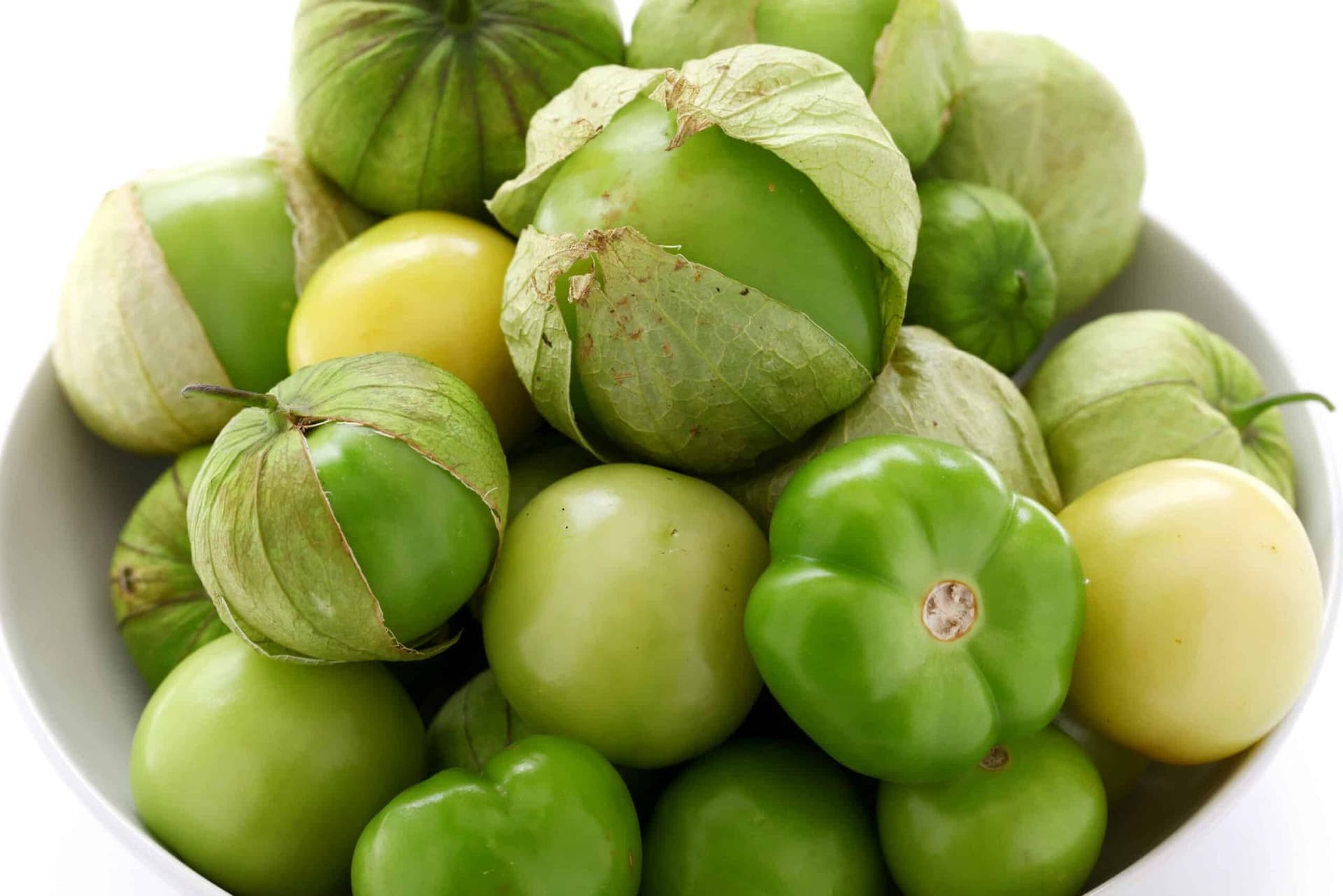
Tomatillos grow inside papery husks, making it hard to judge ripeness at a glance. This guide explains how to know when tomatillos are ripe and offers practical advice on harvesting and storage.

Plant Recommendations
When to Harvest Tomatillos: How to Tell When They're Ripe
How to Bottom Water Plants: Complete Guide

6 min read · 13 Jul 2026

How to Bottom Water Plants: Complete Guide

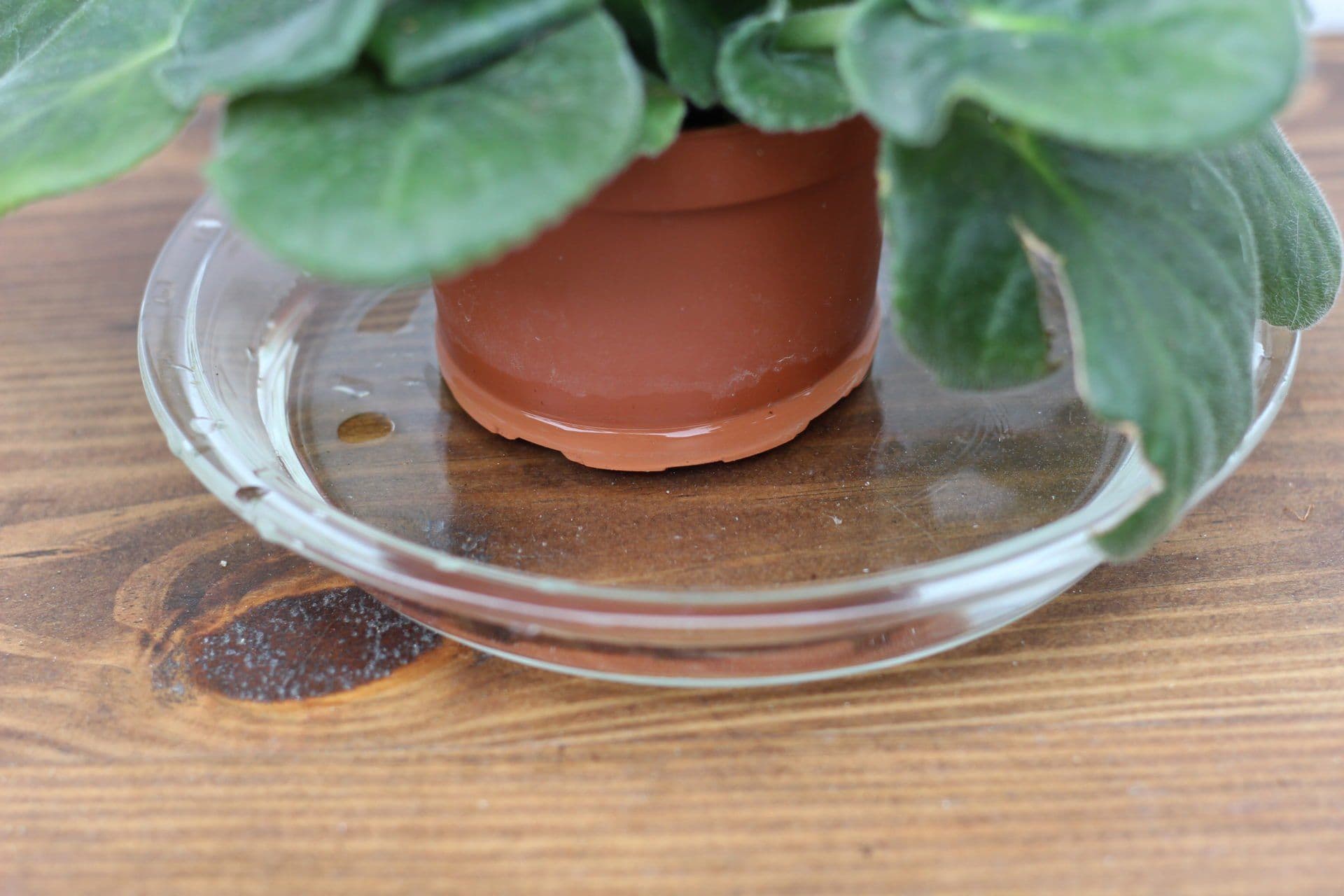
Bottom watering helps soil absorb moisture evenly and keeps foliage dry, reducing the risk of missed dry spots or root problems. Place the pot in a tray of water for a short time, then let it drain well.

Plant Care
How to Bottom Water Plants: Complete Guide