


Best Soil for Sesame (Sesamum indicum)

For healthy root growth, Sesamum indicum needs loose, well-drained soil with a sandy-loamy texture and slightly acidic to near-neutral pH.

Soil Texture

Sandy, Loamy, Organic-rich

Soil pH

Acidic (5.5–6.5), Slightly acidic (6.5–7.0)

Soil Drainage

Well-drained

Sesamum indicum Soil Guide

Native to tropical and subtropical parts of Asia and widely grown in warm, open fields, Sesamum indicum is adapted to loose, well-drained ground that warms quickly and does not stay wet. Its growth is strongest in soil that balances airflow with steady, light moisture.

The best soil for Sesame is sandy or loamy with some organic richness, rather than dense or heavy. This texture supports root spread and oxygen movement, which helps the plant grow fast and set seed well. Slightly acidic to near-neutral soil suits its natural preference.

A simple homemade mix helps control texture and drainage for Sesamum indicum in containers. The goal is a blend that stays open around the roots.

100% total mix = 20 scoops
10%
compost or fine bark2 scoops
20%
perlite or pumice4 scoops
30%
coarse sand6 scoops
40%
high-quality potting soil8 scoops

The finished blend should feel loose, gritty, and easy to crumble, with fast drainage and enough body to avoid collapsing around the root zone.

Sesame does best in slightly acidic to near-neutral soil, around 5.5–7.0 pH. That range supports good nutrient availability, especially for steady uptake of major minerals needed for root and shoot development.

If the pH drifts too far outside that window, some nutrients become harder for Sesamum indicum to absorb even when they are present in the soil. A mildly acidic mix is usually the most dependable starting point.

This species is less forgiving of poorly balanced root conditions than many robust annual crops. Check the soil first when growth seems stalled or uneven.

Compacted mix:

If the surface hardens and water lingers instead of soaking in evenly, gently loosen the top layer and switch future top-ups to a lighter, more open medium.

Poor drainage:

If the root zone stays wet for long periods or the container feels heavy for days, improve drainage right away and empty any collected runoff.

Crusting surface:

A dry, sealed top layer can limit airflow and make rewetting uneven, so break it up carefully and refresh with a more crumbly material.

Spent organic matter:

When Sesame soil shrinks, dries unevenly, or no longer absorbs moisture well, replace part or all of the mix with fresher material.

Find the Right Soil

Botan helps match this plant to a suitable soil profile so it is easier to choose a mix that fits its root needs.

FAQ

Yes. Moderate depth helps roots spread more evenly and supports steadier moisture from top to bottom. A very shallow pot dries fast and can limit anchoring as the plant gains height.

More Plant Soil Guides

Soil Problem? Scan It.

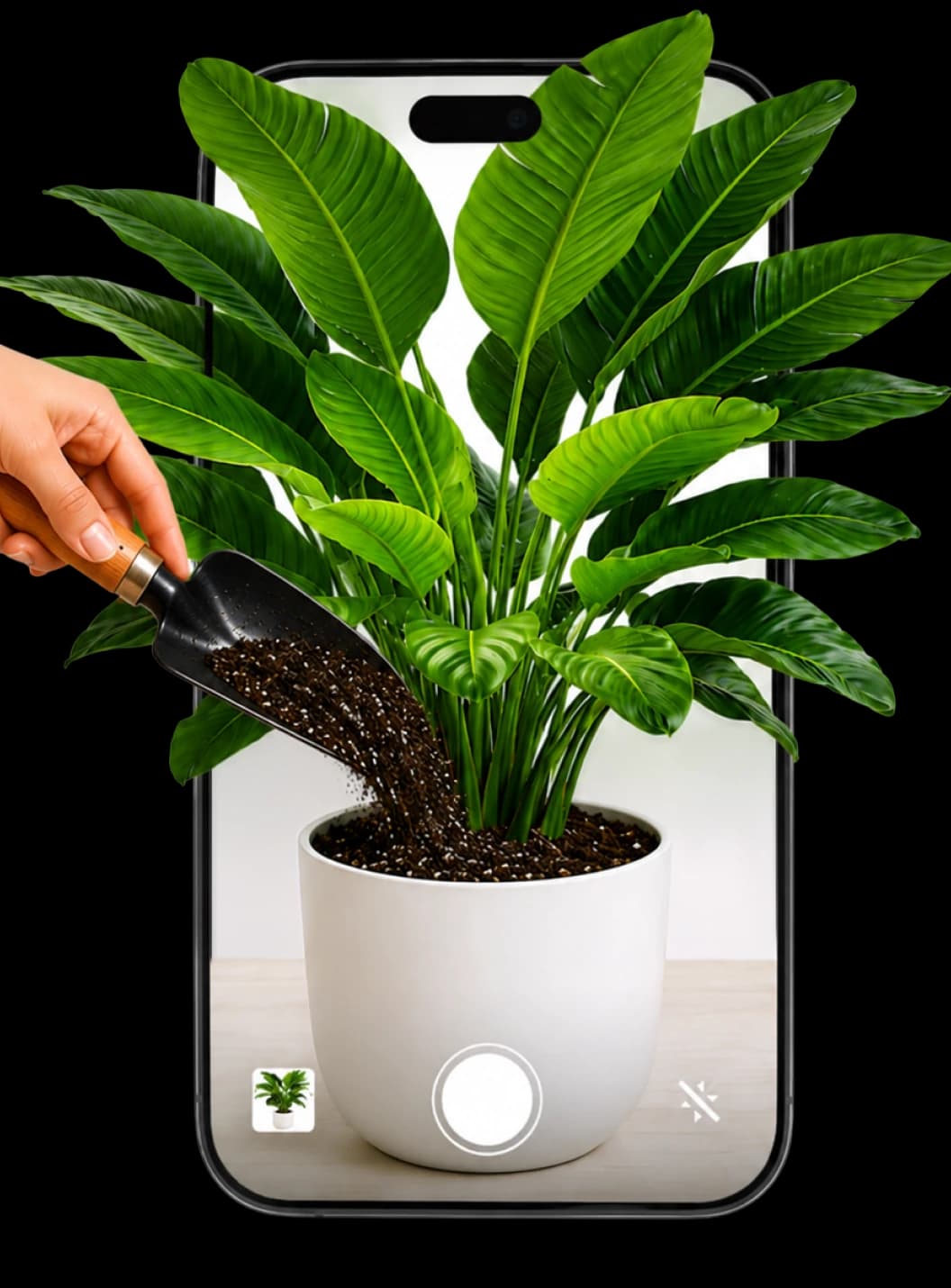
A photo-based check can help show whether soil conditions may be part of the issue. Use Botan to look for likely care factors to review.

Botan app helping with soil and plant care
How Long Can Flowers Go Without Water? Everything You Need to Know

6 min read · 10 Jul 2026

How Long Can Flowers Go Without Water? Everything You Need to Know

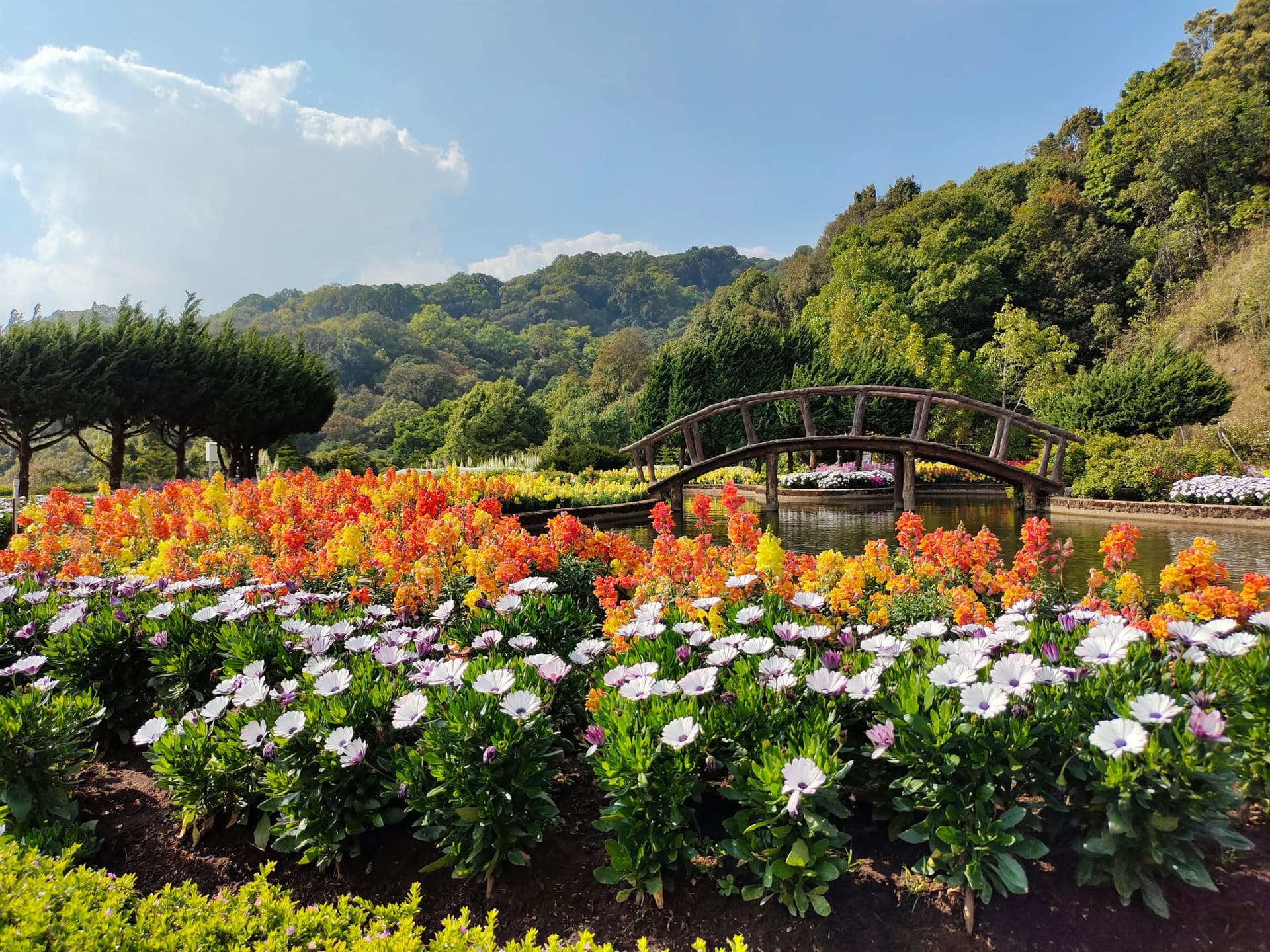
Flowers can survive without water anywhere from 1-2 hours to several months, depending on the plant type, species, and growing conditions. Some strong-looking flowers are drought-sensitive, while delicate-looking plants may tolerate long dry periods surprisingly well.

Plant Care
How Long Can Flowers Go Without Water? Everything You Need to Know
10 Easy Garden Flowers to Grow

8 min read · 10 Sept 2026

10 Easy Garden Flowers to Grow

Discover 10 garden flowers that require minimal care. Learn which characteristics make plants easy to grow and follow tips on how to create a beautiful corner from beginner-friendly blooms on your property.

Beginner Guides
10 Easy Garden Flowers to Grow
How to Clean Plant Leaves: A Simple Care Guide

6 min read · 4 Aug 2026

How to Clean Plant Leaves: A Simple Care Guide

Dusty leaves look dull and don't absorb light well. Below, you'll find simple ways to clean them, which tools are truly effective, how often you should do it, and what causes damage.

Beginner Guides
How to Clean Plant Leaves: A Simple Care Guide