



Best Soil for turmeric (Curcuma longa)

A loose, moisture-retentive, slightly acidic mix helps Curcuma longa support healthy rhizome development and steady root growth.

Soil Texture

Loamy, Silty, Organic-rich

Soil pH

Acidic (5.5–6.5), Slightly acidic (6.5–7.0)

Soil Drainage

Moist but well-drained

Curcuma longa Soil Guide

Native to tropical South and Southeast Asia, Curcuma longa grows from thick rhizomes that need steady moisture but also enough air around them. That combination makes loose, humus-rich soil especially important, because it holds moisture without becoming dense or stagnant.

The best soil for turmeric is loamy or silty with plenty of organic matter and reliable drainage. This texture supports active rhizome growth, while the organic content helps the soil stay evenly moist. Slightly acidic to near-neutral conditions suit healthy root function and steady nutrient uptake.

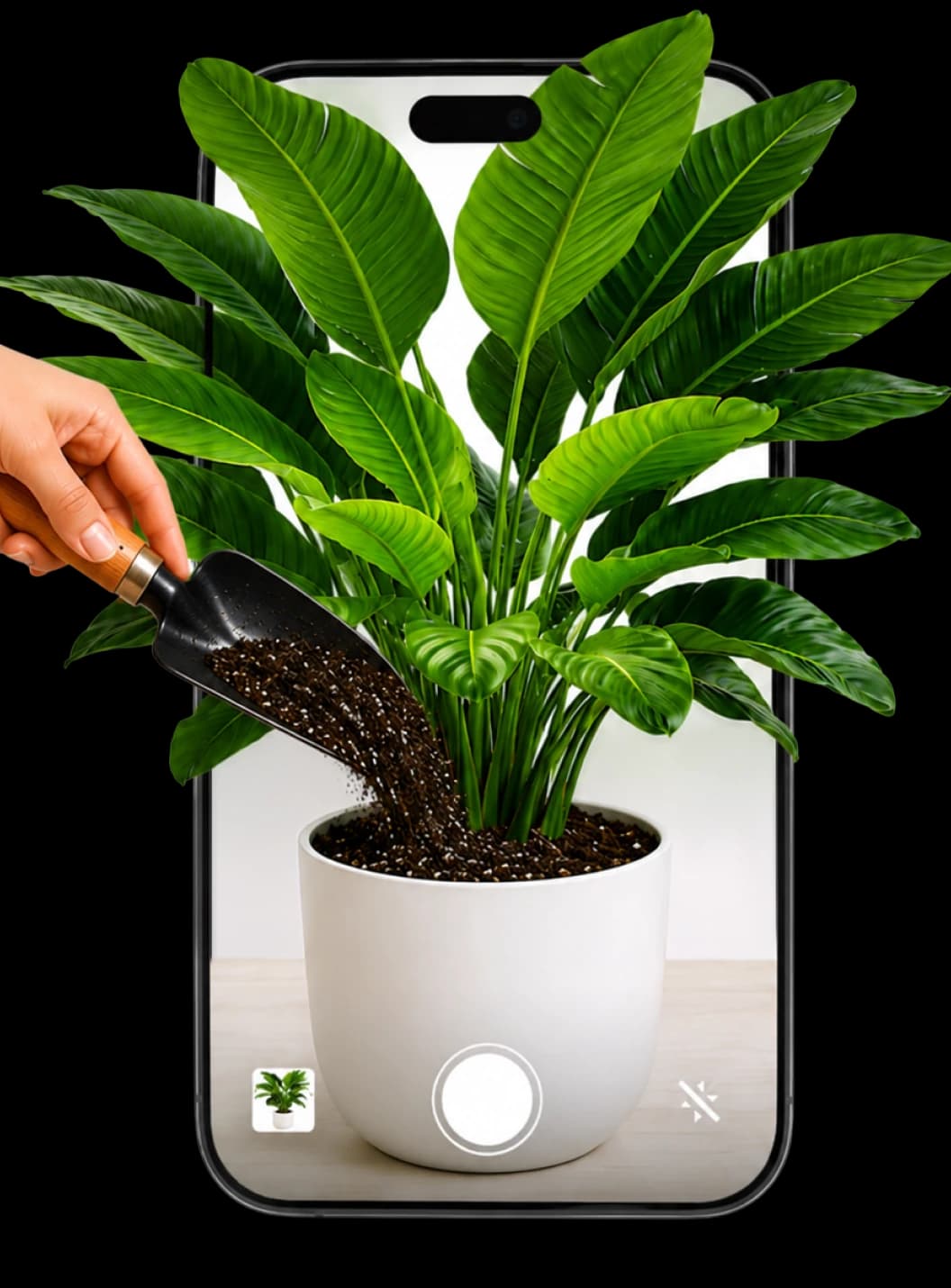
A simple homemade mix can give Curcuma longa the balance of moisture retention and airflow its rhizomes need in containers.

100% total mix = 20 scoops
10%
perlite or pumice2 scoops
20%
compost or worm castings4 scoops
30%
coco coir or peat moss6 scoops
40%
high-quality potting soil8 scoops

The finished blend should feel soft, crumbly, and slightly springy, holding some moisture while letting extra water pass through without staying muddy.

A good target for turmeric is slightly acidic to near neutral soil, around 5.5–7.0 pH. Within that range, important nutrients stay more available to the roots and rhizomes.

If the mix drifts far outside that window, nutrient uptake can become less efficient even when the soil otherwise looks suitable. A mildly acidic range is usually the most reliable choice for steady growth.

Most soil issues with Curcuma longa involve its rhizomes staying stressed for too long. Early checks are more useful than waiting for major decline.

Compacted mix:

Compacted mix: if the surface hardens and water lingers unevenly, gently loosen the top layer and plan to replace the mix with a more open one.

Soggy lower soil:

Soggy lower soil: a sour smell or heavy, wet pot base suggests poor air flow, so let excess moisture clear and review drainage immediately.

Dry, shrinking mix:

Dry, shrinking mix: if soil pulls from the pot sides and resists wetting, rehydrate it gradually so moisture can spread back through the root zone.

Spent organic content:

Spent organic content: when the mix breaks down into fine particles and drains poorly, refresh with new material instead of repeatedly patching the old soil.

Scan for Better Soil

Botan can help identify the plant and guide a more suitable soil choice based on how this species grows in containers.

FAQ

Yes. A deeper pot gives the rhizomes and roots more room to spread in an even, stable moisture zone, which is often better than a wide, shallow container for turmeric soil.

More Plant Soil Guides

Check What the Soil Is Doing

Use Botan’s photo check to see whether a visible issue may be linked to soil conditions, not just surface appearance.

Botan app helping with soil and plant care
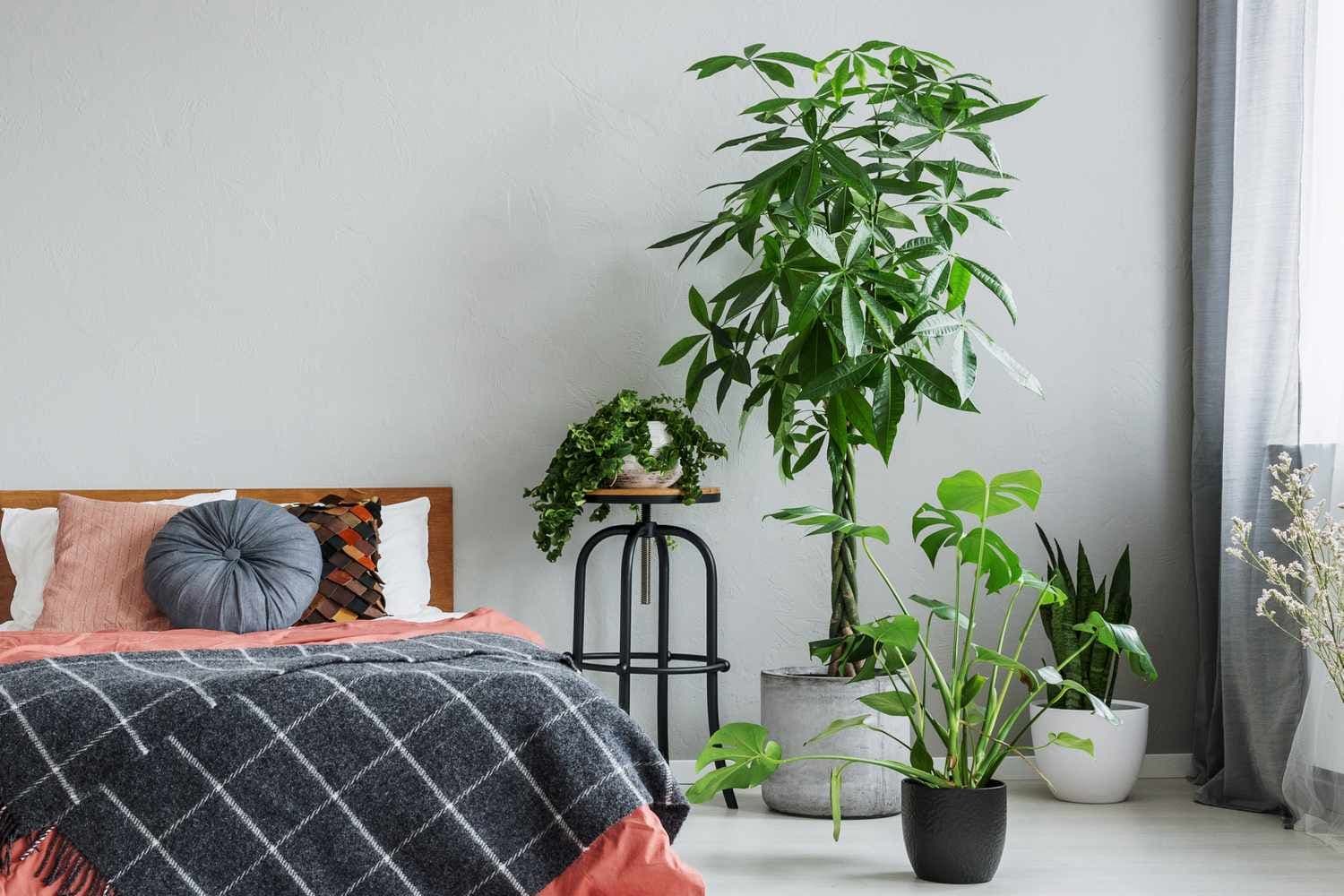
Best Bedroom Plants – Top 10 to Grow in Your Space

8 min read · 8 Jul 2026

Best Bedroom Plants – Top 10 to Grow in Your Space

Discover the top 10 houseplants that are suitable for growing in your bedroom. Compare their light and water needs, pet safety, and benefits. Find out where best to place greenery in your relaxation space and what species to avoid.

Plant Recommendations
Best Bedroom Plants – Top 10 to Grow in Your Space
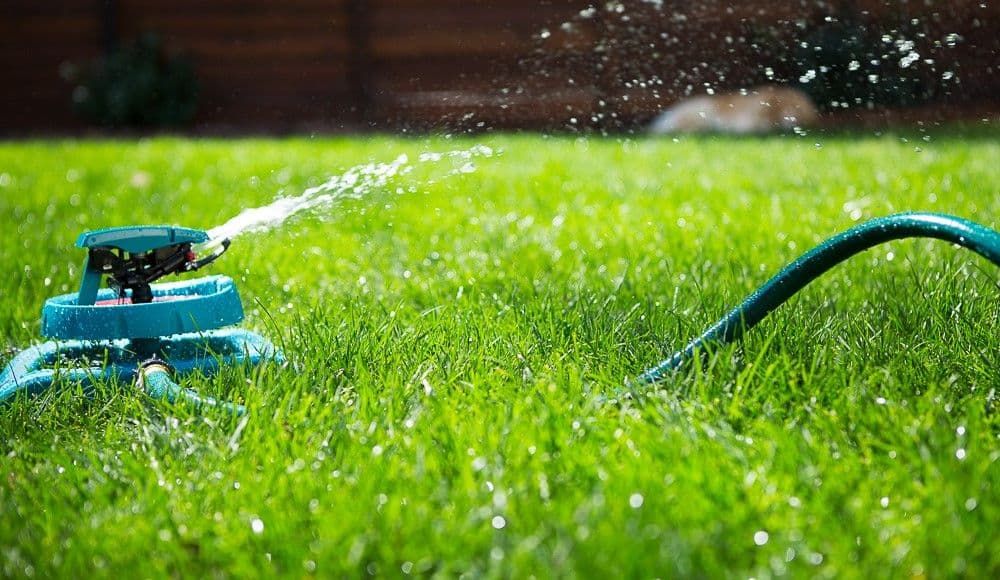
Best Time to Water Grass in Summer – Lawn Watering Tips

5 min read · 21 Jul 2026

Best Time to Water Grass in Summer – Lawn Watering Tips

Summer watering is easy to get wrong. This guide explains when to turn on your sprinkler, how much liquid your grass needs each week, and how to tell if you're overwatering or underwatering.

Plant Care
Best Time to Water Grass in Summer – Lawn Watering Tips
How to Clean Plant Leaves: A Simple Care Guide

6 min read · 4 Aug 2026

How to Clean Plant Leaves: A Simple Care Guide

Dusty leaves look dull and don't absorb light well. Below, you'll find simple ways to clean them, which tools are truly effective, how often you should do it, and what causes damage.

Beginner Guides
How to Clean Plant Leaves: A Simple Care Guide