
Swedish Ivy (Plectranthus verticillatus) Watering Guide

This page explains when, how often, and how much to water Plectranthus verticillatus in simple, practical terms.

Water Requirements

Moderate Water

Plectranthus verticillatus Watering

This trailing houseplant prefers moderate, steady moisture that reflects its origins in seasonally damp, warm regions. In watering Swedish Ivy, the goal is soil that never stays soaked yet does not stay dry for long. Plectranthus verticillatus is mainly grown indoors, where conditions are more stable than outdoors.

Think of its watering needs as light to moderate, with brief drying at the surface between sessions before deeper soil loses moisture.

Let the top 1–2 inches (3–5 cm) of soil dry before watering again; the mix should feel dry at that depth but not dusty. Indoors, this usually means watering about every 5–10 days, with slightly more frequent watering in bright, warm conditions and less in lower light or cooler rooms.

Water Swedish Ivy when the top 1-2 inches (3-5 cm) of soil feel dry, using a slow, even soaking method.

  • Pour room-temperature water over the soil surface, circling the pot so moisture spreads evenly through the root zone.
  • Continue watering until liquid runs from the drainage holes, confirming the entire soil column has been thoroughly moistened.
  • Let the pot drain completely in a sink or saucer, then discard any standing water after several minutes.
  • Keep water off the leaves and stems as much as possible to limit prolonged wetness on the plant’s surfaces.

Incorrect moisture levels can stress Plectranthus verticillatus, weakening growth and making problems develop faster.

Yellowing Lower Leaves:

Older leaves yellow and drop when soil stays wet too long, indicating emerging root stress and suffocation.

Wilting With Wet Soil:

Stems droop while potting mix feels moist, suggesting oxygen-poor roots and early rot developing below.

Crisp Leaf Edges:

Leaf margins turn dry and brittle when soil repeatedly dries completely between waterings, stressing tissues.

Soft, Mushy Stems:

Base of stems becomes soft and collapses when prolonged overwatering allows fungal rot to spread.

Moldy Soil Surface:

White or gray fuzz on mix signals chronic dampness, poor airflow, and infrequent container drainage checks.

Keep soil lightly moist, not saturated or bone-dry, using consistent watering and reliable drainage to prevent stress.

Poor watering habits can quickly stress Swedish ivy (Plectranthus verticillatus), weakening growth and making the plant more vulnerable to pests and disease.

  • Following a fixed schedule: Watering by calendar instead of checking soil moisture often keeps it wet too long; feel the top layer and wait until it lightly dries.
  • Using heavy, dense soil: Planting in compact soil holds excess water around the roots; choose a loose, well‑draining mix with perlite or coarse material.
  • Letting water sit in saucers: Leaving runoff in trays keeps roots submerged; empty saucers a few minutes after watering so the root zone can breathe.

Healthier Swedish ivy watering relies on monitoring soil moisture, providing quick drainage, and letting excess water move away from the roots.

  • Spring: New shoots and faster growth usually increase water use; check moisture more often but still let the top layer dry slightly first.
  • Summer: In brighter, warmer spots, plants may wilt faster and need more frequent watering, but shaded or air-conditioned plants often change very little.
  • Fall: Growth gradually slows, so extend the interval between waterings and watch that soil does not stay wet for long cool periods.
  • Winter: Indoors with short days and cooler rooms, this species often rests lightly and prefers drier intervals while foliage remains firm and turgid.

Your Swedish Ivy Care Companion

Use Botan for a clear watering guide and practical care steps for Plectranthus verticillatus, plus gentle photo-based checks that can highlight early leaf, stem, or soil concerns.

Botan plant care app — identify plants on mobile

FAQ

Water when the top 1–2 inches (3–5 cm) of soil feel dry, rather than on a fixed schedule. In average indoor conditions, this often means every 5–10 days, adjusting with seasons and light.

More Plant Watering Guides

Is Your Watering Routine Hurting Your Swedish Ivy?

Botan reviews your watering pattern and suggests adjustments to keep moisture on track.

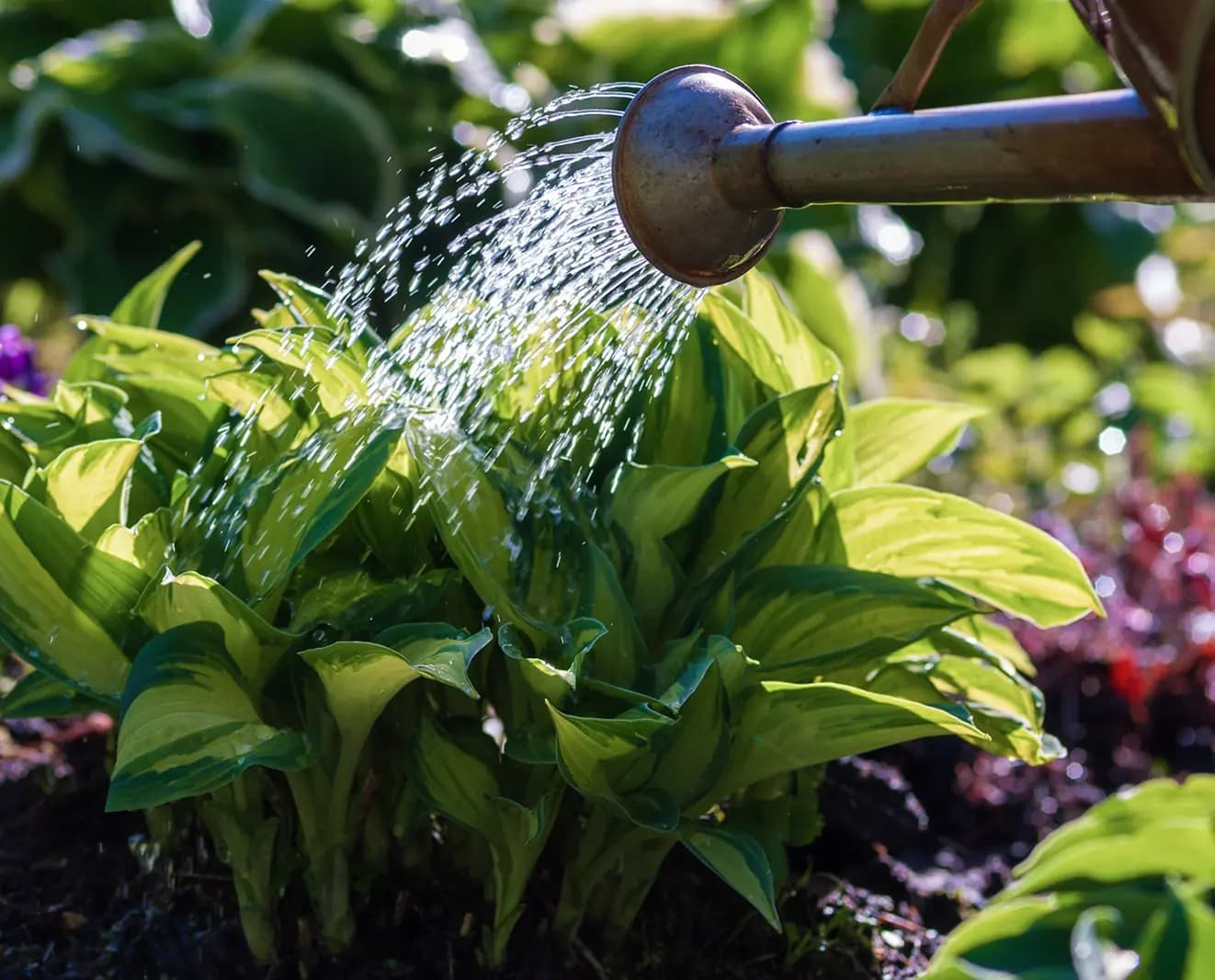
Watering a plant with a copper watering can
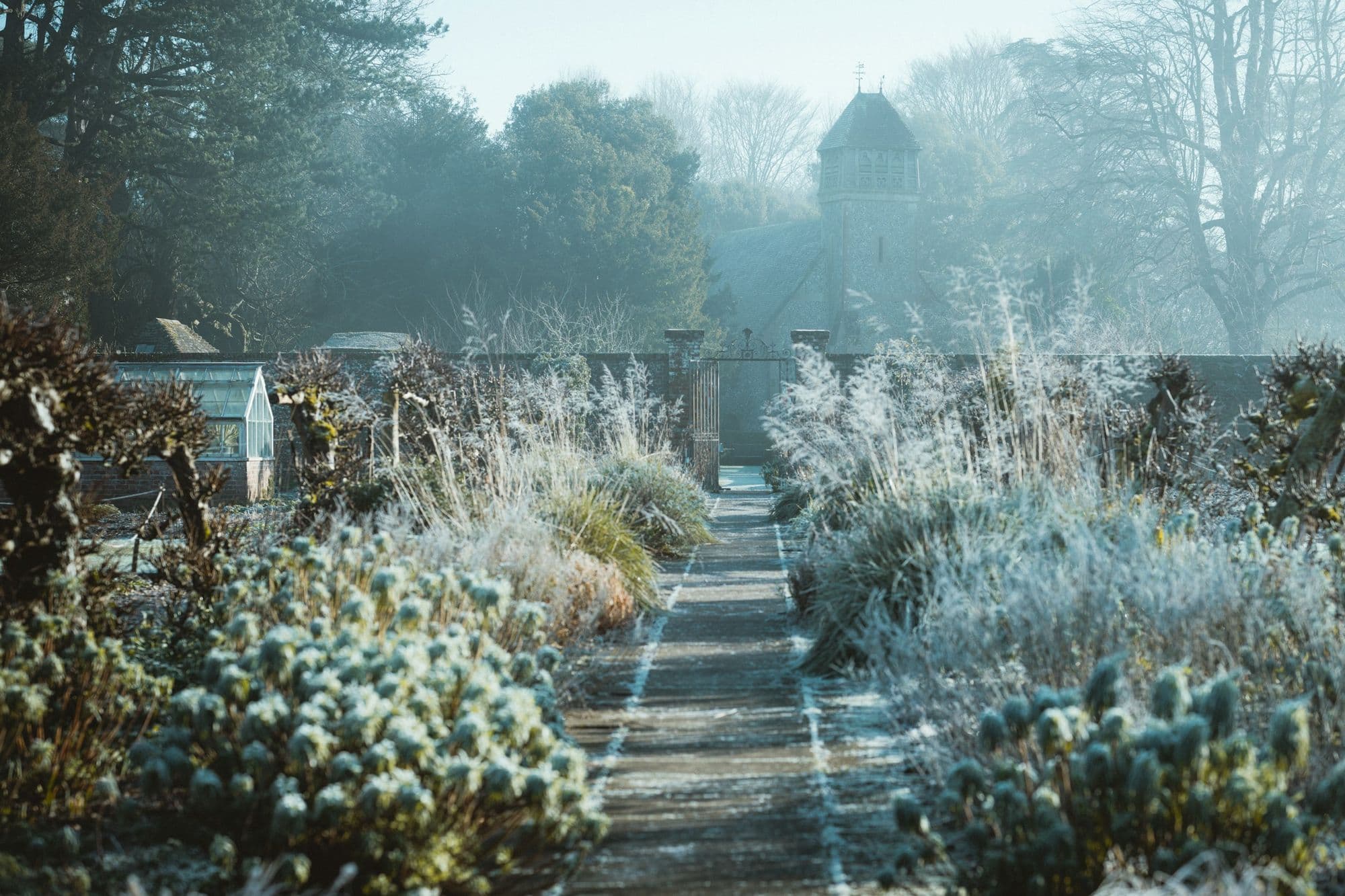
How to Winterize Your Garden in 6 Steps

5 min read · 28 Sept 2026

How to Winterize Your Garden in 6 Steps

Learn how to prepare your garden for winter with a practical six-step checklist covering cleanup, tender plant care, watering, mulching, winter protection, and winterizing equipment and containers.

Plant Care
How to Winterize Your Garden in 6 Steps
What Do Plants Need to Grow – 5 Things Every Greenery Can't Live Without

8 min read · 31 Jul 2026

What Do Plants Need to Grow – 5 Things Every Greenery Can't Live Without

To keep plants healthy and thriving, provide the right balance of light, humidity, nutrients, airflow, and quality soil. This guide covers the essentials of year-round plant care.

Beginner Guides
What Do Plants Need to Grow – 5 Things Every Greenery Can't Live Without
How to Increase Humidity for Plants – 8 Simple Ways That Work

8 min read · 14 Aug 2026

How to Increase Humidity for Plants – 8 Simple Ways That Work

Dry indoor air stresses a lot of houseplants. You usually notice it first in the browning leaf tips. This guide describes 8 simple ways to raise the moisture around your plants, from humidifiers to pebble trays.

Plant Care
How to Increase Humidity for Plants – 8 Simple Ways That Work