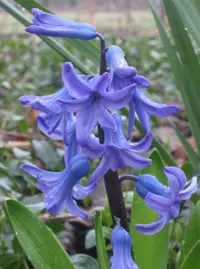


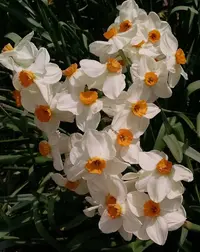


Hyacinth (Hyacinthus orientalis) Light Needs

Hyacinth grows best in full sun to bright partial sun, with several hours of direct light daily.

Light Preference

Full Sun

Hyacinthus orientalis Light Requirements

Hyacinthus orientalis is native to the eastern Mediterranean region, where it grows through the cool, bright part of the year before summer dormancy. In open grasslands, rocky slopes, and scrubby areas, emerging leaves and flower stems receive strong seasonal sun, sometimes with light filtering from nearby vegetation. Cultivated plants follow the same pattern: bright exposure supports sturdy growth and good bloom development. Preferred light is full sun.

  • Ideal exposure:

    Hyacinth needs about 6–8 hours of bright light daily, ideally full sun or bright partial sun with 4–6 hours of direct sun.

  • Direct sun:

    Cool morning and midday sun are usually well tolerated, especially outdoors during active growth.

  • Afternoon heat:

    Hot afternoon sun behind glass can fade flowers faster and may scorch tender leaves after sudden exposure.

  • Lower light:

    Partial sun is tolerated for a short period, but deep shade often leads to weak stems and fewer blooms.

Indoors, place this bulb where it receives strong light while staying away from excessive heat.

NPoor
North-facing window:

A north-facing window is usually too dim for strong stems and reliable flower quality unless it is unusually bright and unobstructed.

EBest
East-facing window:

An east-facing window is often best because it gives direct morning sun and avoids the hottest part of the day.

SSuitable
South-facing window:

A south-facing window can work well if the pot sits 2–4 ft back or light is softened during hot midday sun.

WConditional
West-facing window:

A west-facing window is conditional because late-day sun through glass can become hot and shorten flower life.

For indoor forcing, bright light with cool conditions keeps growth more compact and flowers looking better for longer.

Excess light is usually a heat and intensity problem.

Faded flowers:

Blooms may lose color quickly when strong sun is paired with warm indoor glass.

Bleached patches:

Leaves can develop pale, dry-looking areas after sudden movement into intense direct sun.

Papery scorch:

Exposed leaf tips or upper surfaces may turn tan and papery in harsh afternoon light.

Heat-leaning stems:

Flower stems may soften and lean when bright sun creates excessive heat around the pot.

Move the plant out of harsh afternoon sun, or filter the light during the hottest hours. Reintroduce stronger sun gradually after shaded indoor conditions.

Low light often shows in the shape and strength of the growth. Hyacinthus orientalis is not a shade plant.

  • Stretched stems:

    Flower stalks may grow taller and softer as they search for brighter exposure.

  • Strong leaning:

    The plant may angle sharply toward the light source instead of staying upright.

  • Weaker blooms:

    Flower spikes may be smaller, looser, or less sturdy than expected.

  • Pale new growth:

    Leaves may look lighter green when they develop in weak light during active growth.

Move the plant to full sun or the brightest partial-sun position available. Increase exposure over several days if it has been in a dim spot.

If full sun is not available, choose the brightest position that gives direct morning sun and strong open light later in the day.

Rotate the pot every few days while stems are growing so the flower spike stays straighter instead of leaning toward the light.

Avoid dim shelves or rooms set far from natural light because weak light usually produces stretched stems and poorer bloom quality.

Get Personalized Care Plan

Scan your plant to receive care tips personalized for your specific plant

FAQ

Hyacinth light requirements are full sun to bright partial sun, with enough direct light to keep stems sturdy and support flower development during active growth.

More Plant Light Guides

Get the Botan App

Discover how to care for your plants with Botan.

Botan app identifying a plant with a phone camera
Best Fertilizer for Grass in Summer: How to Choose the Right One

6 min read · 18 Aug 2026

Best Fertilizer for Grass in Summer: How to Choose the Right One

The right fertilizer in summer can make a lawn thrive. The wrong one can damage it. Here, you’ll learn the best NPK ratios by grass type, when and how to apply your formula, and how to recognize the signs of over- or under-fertilizing.

Plant Care

Best Fertilizer for Grass in Summer: How to Choose the Right One
Best Bedroom Plants – Top 10 to Grow in Your Space

8 min read · 8 Jul 2026

Best Bedroom Plants – Top 10 to Grow in Your Space

Discover the top 10 houseplants that are suitable for growing in your bedroom. Compare their light and water needs, pet safety, and benefits. Find out where best to place greenery in your relaxation space and what species to avoid.

Plant Recommendations
Best Bedroom Plants – Top 10 to Grow in Your Space
Top 15 Fast-Growing Trees For Your Garden

13 min read · 28 Jul 2026

Top 15 Fast-Growing Trees For Your Garden

Learn which of the 15 fastest-growing trees will suit your area. We’ll share detailed information on each: growth rate, mature spread, key tree demands, and main vulnerabilities. Read on and make the best choice possible.

Plant Recommendations
Top 15 Fast-Growing Trees For Your Garden