

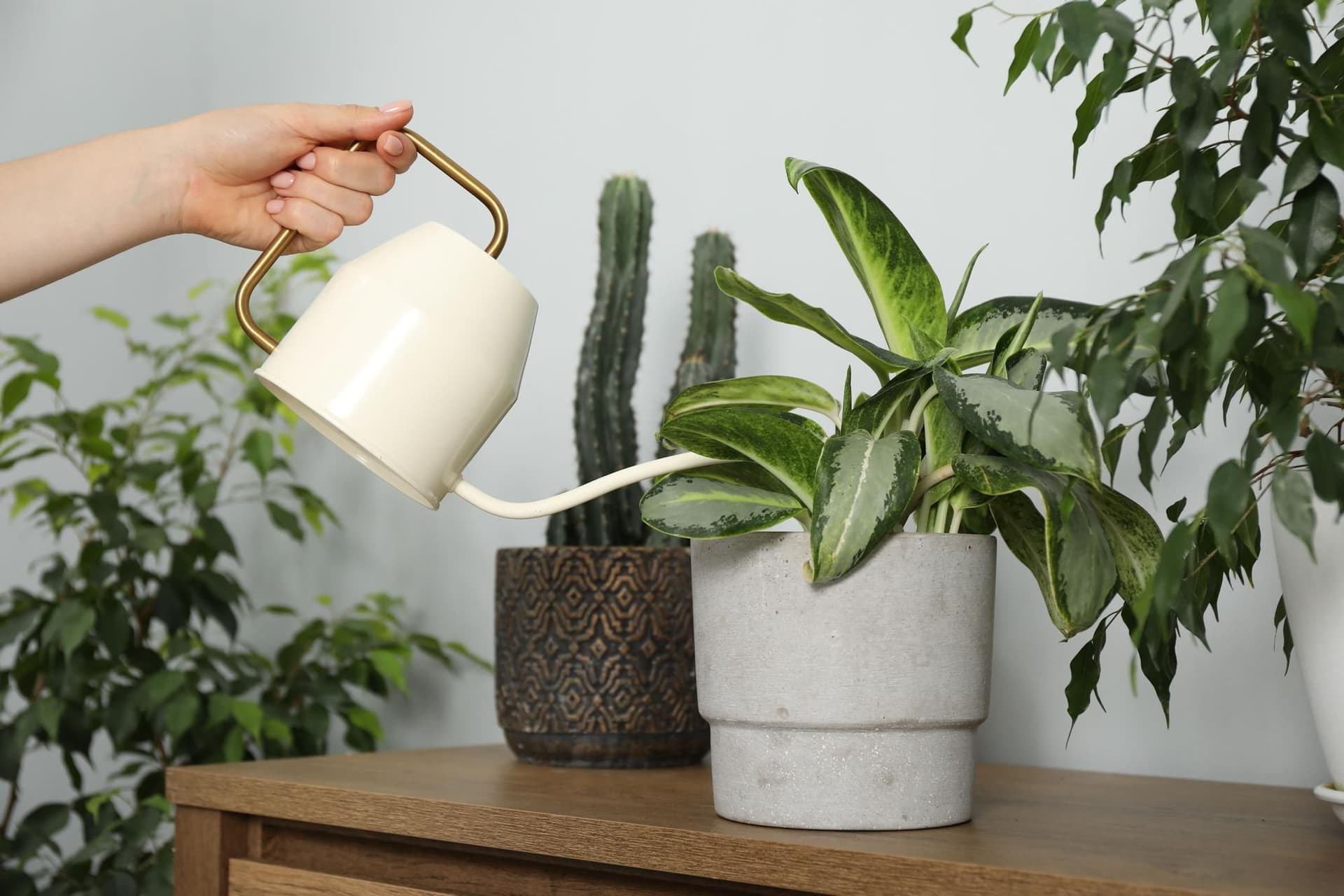
7 min read · 24 Aug 2026
How to Water Houseplants: Watering Guide
Learn how often to water indoor plants, key factors for proper watering, and how to adjust the care routine by plant type, season, pot size, light, and indoor conditions.
Plant Care


seedbox grows best in full sun, with several hours of direct light each day during the active growing season.

Light Preference
Full Sun
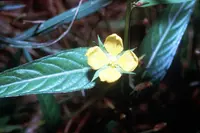
Ludwigia alternifolia is native to wet, open habitats in eastern and central North America, including marsh edges, wet meadows, pond margins, and seasonally damp ground. These sites usually receive long periods of direct sun, with only brief shade from surrounding vegetation. In cultivation, this background points to strong outdoor light rather than sheltered shade. Preferred light for best growth is full sun.
seedbox needs about 6–8 hours of full sun daily, including at least 6 hours of direct sun when available.
Established outdoor plants tolerate full sun, especially when exposure is steady rather than sudden.
About 4–6 hours of sun can support growth, but flowering may be lighter than in full sun.
Bright shade or deep shade is too weak for compact, vigorous growth.
Too much light is most likely after sudden exposure.
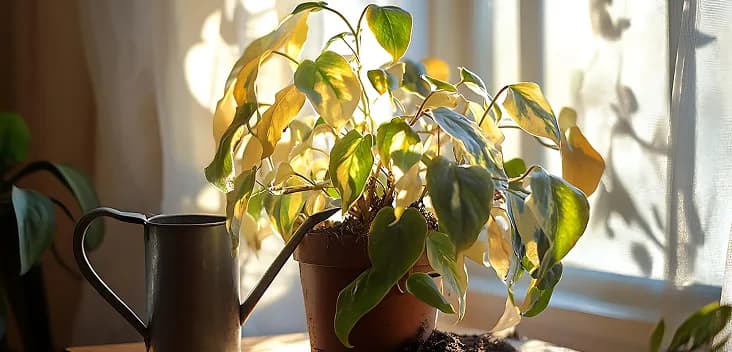
Leaves exposed suddenly to harsh sun may develop pale tan or whitish areas on the most exposed surfaces.
Thin outer leaves may show dry, papery tips after abrupt exposure to intense afternoon sun.
Stems or leaves may droop during the hottest light, especially in exposed containers or reflective sites.
Tender new shoots may pause or look hardened after a sudden jump from shade to full sun.
Shift the plant to morning sun or light afternoon protection, then reintroduce stronger sun over several days. Keep the correction focused on reducing harsh exposure, not changing care at random.
Light that is too weak usually shows through stretched, sparse growth.
New stems may become longer and thinner as they reach toward brighter light.
The plant may angle strongly toward the sunniest side instead of growing evenly upright.
Low light can reduce flowering, followed by fewer seed capsules later in the season.
New growth may stay smaller and less dense when shade persists during active growth.
Move it to a sunnier outdoor position with several hours of direct light. Increase exposure gradually if it has been in shade for a long period.
Choose the brightest open site available if full sun is limited. A half-day of direct sun is a workable compromise, but avoid placing it where shade covers the area most of the day.
Shift containers or garden placements away from fences, dense borders, or overhanging growth that blocks midday light. Rotate containers every 1–2 weeks if one side receives noticeably stronger sun.
A shaded porch, covered patio, or woodland edge is not suitable because the light is too weak for strong flowering and compact growth.
Light Care Advice
Learn what light your plant needs and avoid common lighting mistakes
Scan your plant to receive care tips personalized for your specific plant
This plant grows best in full sun with strong outdoor light for most of the day. Partial sun is tolerated, but dense shade usually leads to weaker growth and fewer flowers.
Discover how to care for your plants with Botan.
7 min read · 24 Aug 2026
Learn how often to water indoor plants, key factors for proper watering, and how to adjust the care routine by plant type, season, pot size, light, and indoor conditions.
6 min read · 23 Oct 2026
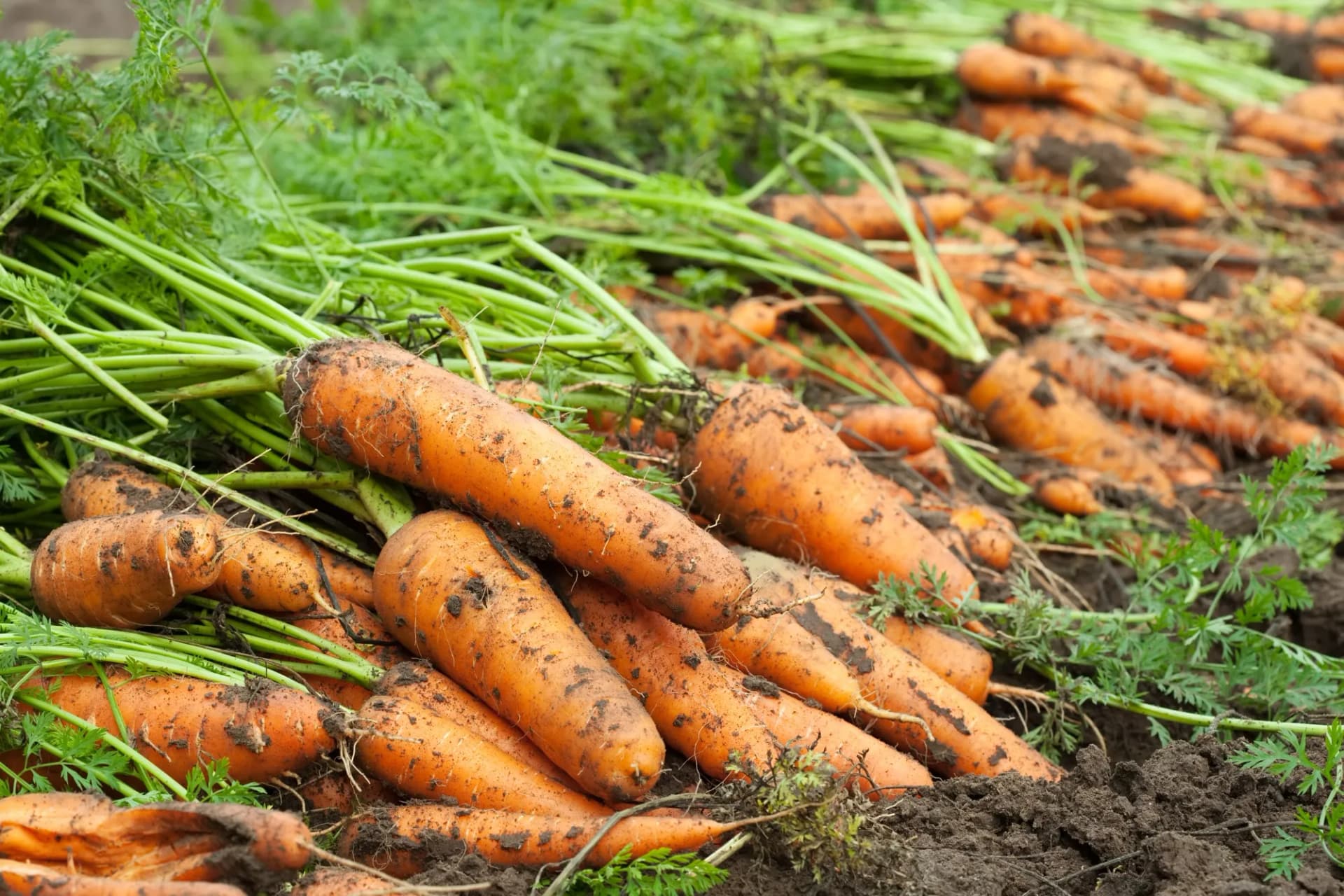
Carrots are usually ready 60-80 days after sowing them in the soil, depending on the variety. Learn how to recognize maturity signs, choose the right harvest season, pull carrots without damaging them, and store roots after picking.
6 min read · 4 Aug 2026
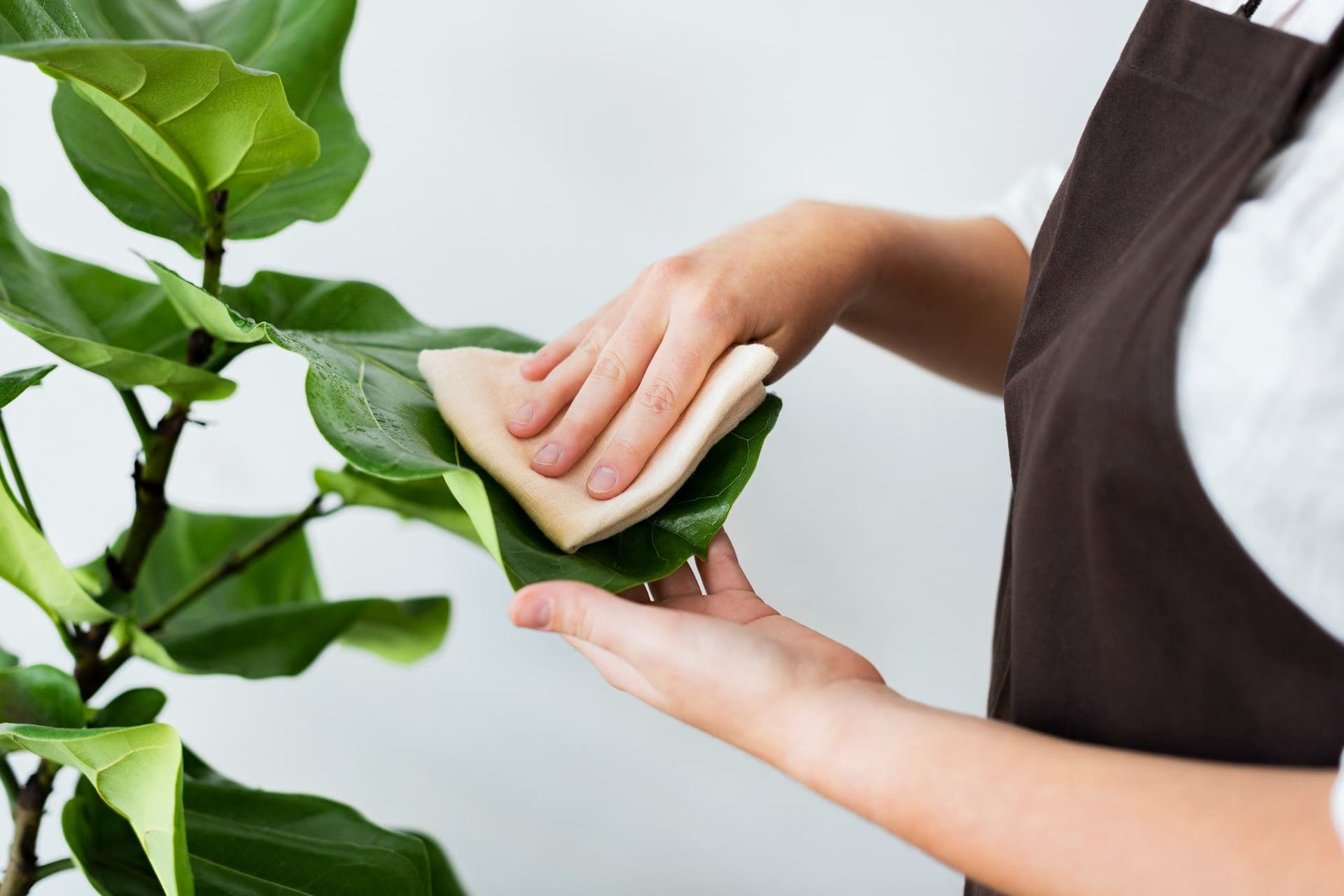
Dusty leaves look dull and don't absorb light well. Below, you'll find simple ways to clean them, which tools are truly effective, how often you should do it, and what causes damage.