

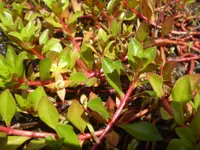
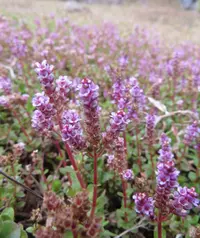
Indian swampweed (Hygrophila polysperma) Light Needs

Indian swampweed grows best in bright filtered light or partial sun, with some gentle direct sun tolerated.

Light Preference

Partial Sun

Hygrophila polysperma Light Requirements

Hygrophila polysperma is native to tropical and subtropical Asia, where it grows in slow-moving or still freshwater, marsh edges, ditches, and flooded fields. Stems may be submerged or emergent, so light can range from open sun to filtered light through shallow water.

In cultivation, it performs best with steady bright exposure rather than shade. Preferred light is bright filtered light or partial sun.

  • Ideal exposure:

    Indian swampweed needs about 6–8 hours of bright filtered light or partial sun daily, including about 2–4 hours of gentle direct sun.

  • Full sun tolerance:

    Established growth can take fuller sun outdoors or near very bright glass when introduced gradually and protected from hot afternoon heat.

  • Lower light:

    It may stay alive in moderate light, but stems usually stretch and leaf spacing widens when light is too weak.

  • Afternoon exposure:

    Strong afternoon sun is the riskiest exposure indoors because heat builds quickly around glass containers and shallow water.

Indoors, place this aquatic plant where its container receives strong light without prolonged afternoon heat.

NPoor
North-facing window:

A north-facing window is usually too dim unless the container also receives strong artificial lighting.

EBest
East-facing window:

An east-facing window gives gentle morning sun and bright light for much of the day, which is usually the safest natural exposure.

SConditional
South-facing window:

A south-facing window can work if light is filtered or the container sits 2–4 ft from the glass during strong midday sun.

WConditional
West-facing window:

A west-facing window can be too hot, so use it only with filtering and careful distance from late-day sun.

Choose the brightest stable position that avoids overheating and sudden changes in direct sun.

Excess light usually shows after sudden exposure or hot afternoon sun.

Bleached patches:

Leaves may develop pale, translucent areas where direct sun hits the same tissue repeatedly.

Thin leaf texture:

Tender growth can look papery or weak when strong light is paired with heat buildup.

Bronze tones:

Reddish or bronze color can appear in high light; it suggests intensity only when paired with paling or damaged tissue.

Stalled tips:

Shoot tips may stop expanding normally after a sharp increase in direct sun.

Move the container into filtered light or reduce direct sun to morning exposure only. Reintroduce brighter light over several days instead of making another sudden change.

Weak light changes the shape of growth before it causes severe decline. Hygrophila polysperma is not a shade plant.

  • Stretched stems:

    Long gaps develop between leaf pairs as stems reach toward the strongest light source.

  • Leaning growth:

    Shoots may angle toward the window or lamp instead of growing evenly upright.

  • Smaller new leaves:

    Fresh growth can come in narrower and less dense when light is below the plant’s active needs.

  • Sparse lower stems:

    Older lower sections may look bare because the upper growth is using most of the available light.

Move it to brighter filtered light or add gentle morning sun. Make the change gradually if the new spot includes direct sun.

If ideal exposure is not available, choose the brightest filtered position and allow only gentle morning sun. Keep strong afternoon rays off glass containers or aquariums because heat can build quickly.

Clear mineral film from glass and lids so light reaches the stems. Rotate the container a quarter turn every week if growth leans toward one side.

Get Personalized Care Plan

Scan your plant to receive care tips personalized for your specific plant

FAQ

For Indian swampweed light requirements, aim for bright filtered light or partial sun for most of the day. Gentle direct morning sun can support compact growth.

More Plant Light Guides

Get the Botan App

Discover how to care for your plants with Botan.

Botan app identifying a plant with a phone camera
Best Water for Plants – How to Choose the Right Type

7 min read · 13 Aug 2026

Best Water for Plants – How to Choose the Right Type

Rainwater, filtered, distilled, and tap water affect plants differently. Learn which types support healthy growth and which cause slow damage. Match each to your plants and discover how to easily improve tap water quality.

Plant Care
Best Water for Plants – How to Choose the Right Type
How Long Can Flowers Go Without Water? Everything You Need to Know

6 min read · 10 Jul 2026

How Long Can Flowers Go Without Water? Everything You Need to Know

Flowers can survive without water anywhere from 1-2 hours to several months, depending on the plant type, species, and growing conditions. Some strong-looking flowers are drought-sensitive, while delicate-looking plants may tolerate long dry periods surprisingly well.

Plant Care
How Long Can Flowers Go Without Water? Everything You Need to Know
Top 5 Best Indoor Plants for Air Quality

5 min read · 11 Sept 2026

Top 5 Best Indoor Plants for Air Quality

Indoor plants can make a room feel fresher thanks to their air-purifying qualities. Here are 5 of the most suitable choices for your routine and living space.

Plant Recommendations
Top 5 Best Indoor Plants for Air Quality