



Creeping Primrose-willow (Ludwigia repens) Light Needs

Creeping Primrose-willow grows best in partial sun to full sun, with several hours of direct light daily.

Light Preference

Partial Sun

Ludwigia repens Light Requirements

In the wild, this wetland species grows along pond edges, ditches, slow streams, and seasonally flooded margins. Stems often receive open sun for much of the day, though water level, current, and bank cover can create some filtered or partial shade.

Cultivated plants perform best when this open, bright setting is matched without abrupt changes. Preferred light is partial sun to full sun.

  • Ideal exposure:

    Ideal exposure: Creeping Primrose-willow needs about 6–8 hours of bright light daily, ideally partial sun to full sun, including 4–6 hours of direct sun.

  • Direct sun:

    Mature, acclimated growth can handle full sun, but sudden hot afternoon exposure can scorch tender leaves.

  • Lower limit:

    Bright shade is usually not enough; growth becomes weaker when direct or very bright light is brief.

  • Gentler timing:

    Morning sun is safer after a move, while intense afternoon sun should be increased gradually.

Indoors, placement matters most when it is grown in a container or aquarium near natural light.

NPoor
North-facing window:

A north-facing window rarely provides enough direct sun unless it is unusually bright and unobstructed.

ESuitable
East-facing window:

An east-facing window is suitable when it gives several hours of direct morning sun and bright light afterward.

SBest
South-facing window:

A south-facing window is best if heat is controlled and the plant is not moved there from shade suddenly.

WConditional
West-facing window:

A west-facing window is conditional because hot afternoon sun can be harsh without gradual acclimation or light filtering.

If indoor growth stretches, move it to a brighter exposure rather than farther from the glass.

Strong light is usually a problem after a sudden change.

Bleached patches:

Pale tan or whitish areas may appear on leaves facing the strongest sun, especially after moving Ludwigia repens outdoors or nearer glass.

Flattened color:

Leaves that were healthy may look washed out rather than evenly green or red when exposure is too intense.

Scorched tender tips:

New emersed growth can develop dry, thin patches after hot afternoon sun.

Heat-side damage:

Symptoms often show first on the side closest to glass or reflected sun.

Reduce the harshest afternoon exposure first. Shift it to bright partial sun or filter the light, then increase direct sun more slowly.

Low light causes weak, open growth before it causes obvious decline.

  • Long internodes:

    Stems stretch and the spaces between leaves become wider as the plant reaches for stronger light.

  • Leaning growth:

    New shoots may angle toward the brightest side instead of staying compact.

  • Smaller leaves:

    Fresh growth may be smaller and thinner during the active season.

  • Duller color:

    Leaves often stay greener and lose stronger reddish tones when light is too weak.

  • Limited flowering:

    Outdoor or emersed plants may flower less when kept in shade.

Move Ludwigia repens into brighter partial sun or a stronger illuminated position. Increase exposure in steps if it has been shaded for a long time.

If ideal sun is limited, choose the brightest available spot and prioritize 3–4 hours of direct morning light over weak all-day shade.

Increase light by clearing nearby obstructions, keeping the container close to the light source, and rotating stems so one side does not dominate.

A dim corner is unsuitable because it encourages long, sparse growth instead of dense stems.

Get Personalized Care Plan

Scan your plant to receive care tips personalized for your specific plant

FAQ

The best light is partial sun to full sun, with bright exposure for most of the day. Creeping Primrose-willow light requirements are not suited to deep shade or dim indoor corners.

More Plant Light Guides

Get the Botan App

Discover how to care for your plants with Botan.

Botan app identifying a plant with a phone camera
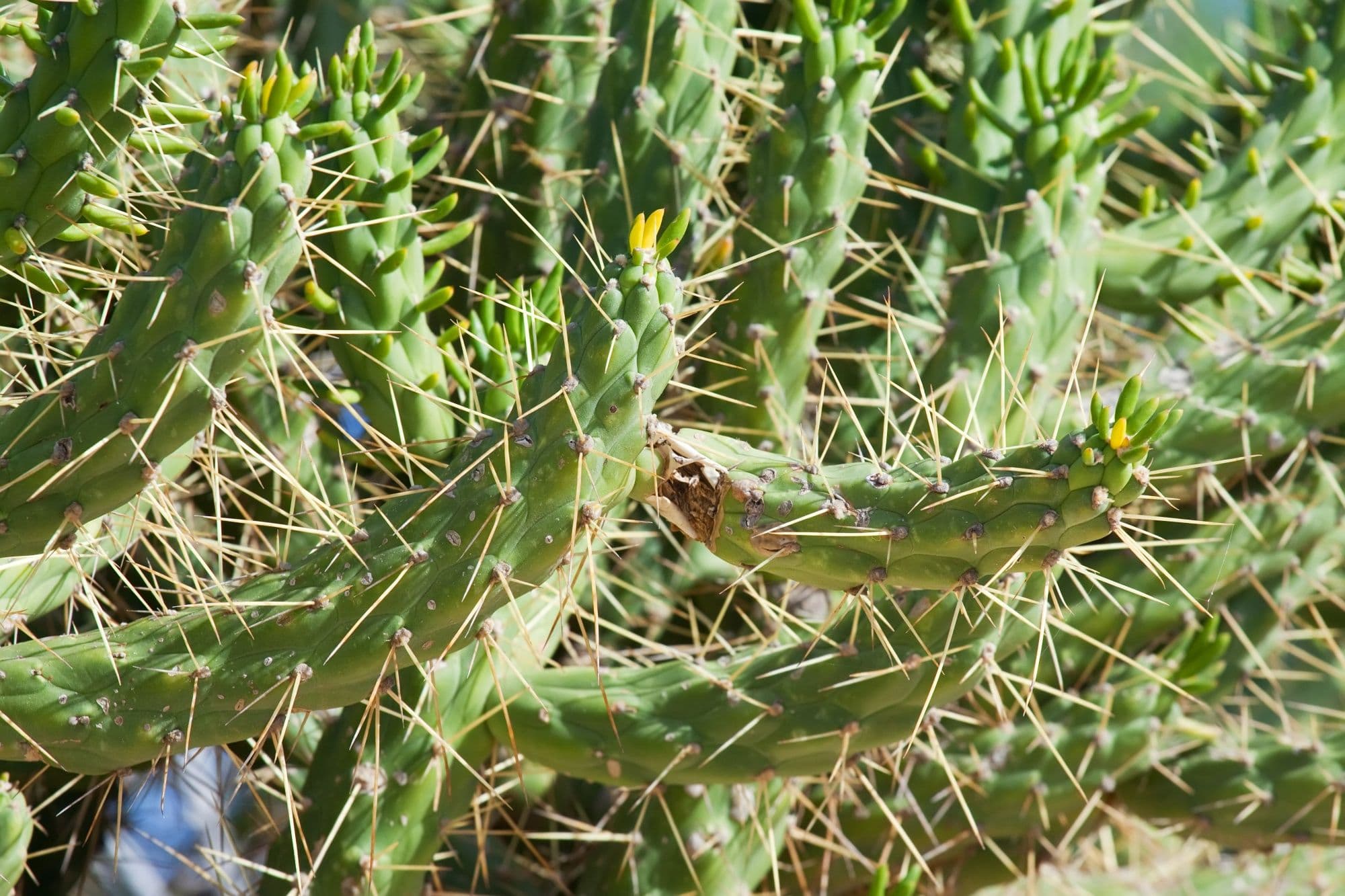
Thorny Plants: A Comprehensive Guide

10 min read · 25 Aug 2026

Thorny Plants: A Comprehensive Guide

Many plants defend themselves with sharp thorns. This guide explores over 20 examples among flowers, shrubs, trees, and vines. You'll learn what each plant looks like, why it grows thorns, and how to quickly identify them.

Plant Recommendations
Thorny Plants: A Comprehensive Guide
How to Water Houseplants: Watering Guide

7 min read · 24 Aug 2026

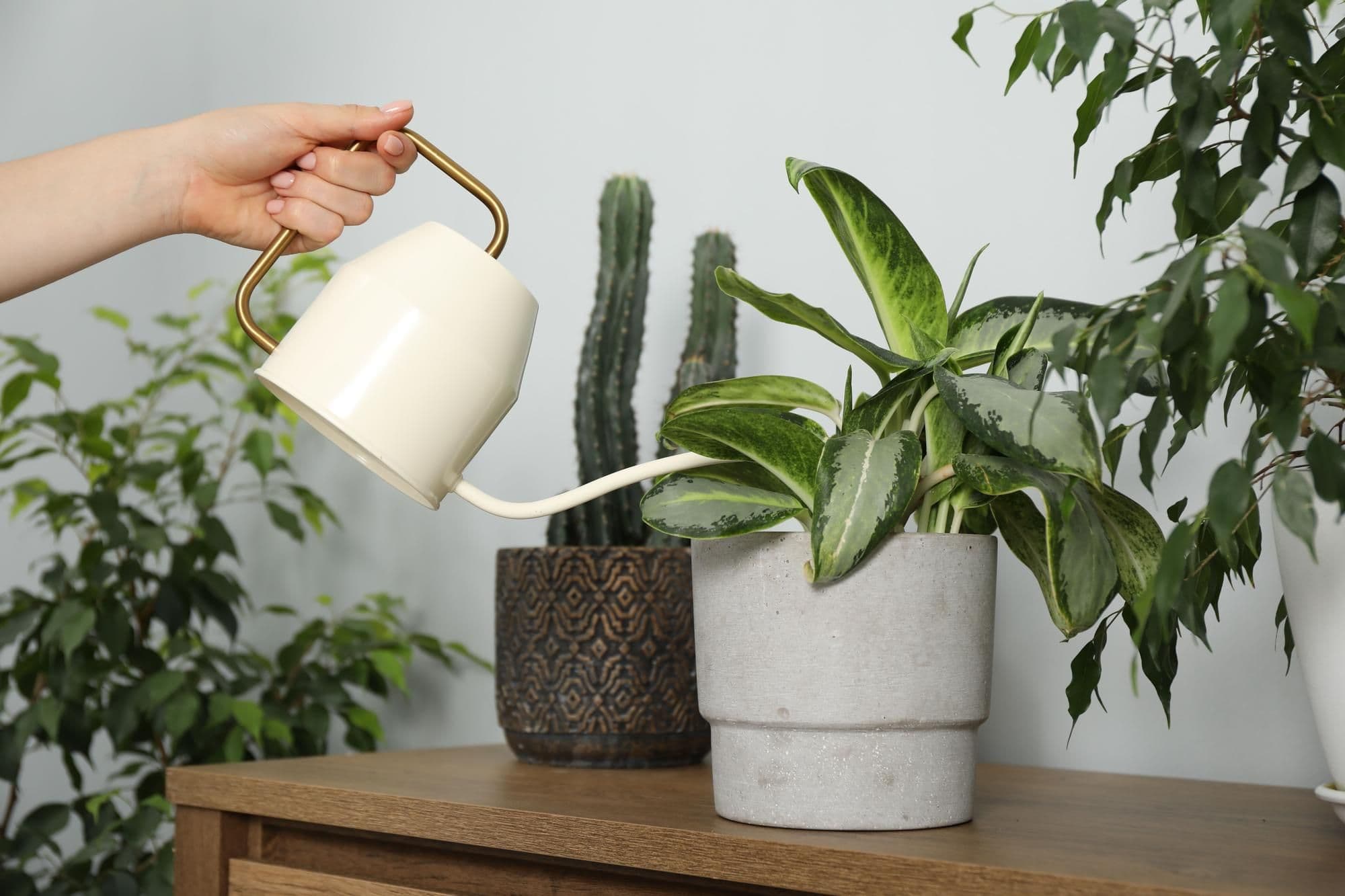
How to Water Houseplants: Watering Guide

Learn how often to water indoor plants, key factors for proper watering, and how to adjust the care routine by plant type, season, pot size, light, and indoor conditions.

Plant Care
How to Water Houseplants: Watering Guide
How to Group Plants in Landscaping: A Practical Layout Guide

8 min read · 31 Aug 2026

How to Group Plants in Landscaping: A Practical Layout Guide

Good plant grouping can mean the difference between a well-planned garden and one that looks sloppy. This guide explores layers, spacing, cluster shapes, and the plants that thrive when you group them.

Plant Care
How to Group Plants in Landscaping: A Practical Layout Guide