

Lemon bacopa (Bacopa caroliniana) Light Needs

Lemon bacopa grows best in bright light to partial sun, with several hours of gentle direct sun.

Light Preference

Partial Sun

Bacopa caroliniana Light Requirements

In the southeastern United States, Bacopa caroliniana grows in marshes, pond edges, ditches, and slow shallow water where stems often reach open light. It may grow submerged or along wet margins, so light is often bright, with some filtering from surrounding vegetation or water movement.

Cultivated plants respond best when this open wetland pattern is matched. Preferred light is bright light to partial sun.

  • Ideal exposure:

    Lemon bacopa needs about 6–8 hours of bright light daily, ideally partial sun, including about 2–4 hours of direct morning sun.

  • Full sun tolerance:

    Full sun is tolerated when plants are acclimated and kept in consistently wet or aquatic conditions.

  • Lower light limit:

    Light below about 4 hours daily usually leads to stretched stems, wider spacing, and slower growth.

  • Sun timing:

    Morning sun is safer than hot afternoon sun, especially for emersed growth or plants newly moved into brighter conditions.

Indoors, place the container or aquarium where strong light reaches the plant without overheating it.

NPoor
North-facing window:

A north-facing window is usually too dim unless the plant is very close to unobstructed glass or supplemented with strong artificial light.

EBest
East-facing window:

An east-facing window is usually best because it provides direct morning sun and bright light later in the day without the hottest afternoon exposure.

SSuitable
South-facing window:

A south-facing window is suitable if harsh midday sun is softened with a sheer curtain or the plant sits 1–3 ft back from hot glass.

WConditional
West-facing window:

A west-facing window can work only if afternoon sun is filtered, because heat and sudden intensity may stress exposed leaves.

If growth becomes stretched or sparse, move it to a brighter position before increasing direct sun exposure.

Strong light is tolerated, but sudden intense exposure can cause stress.

Pale patches:

Leaves near the strongest exposure may develop bleached or washed-out areas after a sudden move into intense sun.

Scorched tips:

Emersed shoot tips can look dry or browned when exposed to hot afternoon sun through glass or in shallow containers.

Tight new growth:

New growth may become smaller and slower when light intensity rises faster than the plant can adjust.

Surface stress:

Submerged stems closest to the surface may show the first signs because they receive the most direct light.

Shift Bacopa caroliniana into gentler morning sun or bright filtered light. Reintroduce stronger sun in short stages over 1–2 weeks.

Bacopa caroliniana does not perform well in shade. Low light usually changes the shape and density of growth first.

  • Stretched stems:

    Stems may grow long and thin as the plant reaches toward stronger light.

  • Wide leaf spacing:

    New leaves may appear farther apart, giving the growth a loose, open look.

  • Leaning growth:

    Shoots may angle strongly toward the brightest side instead of staying evenly upright.

  • Sparse lower stems:

    Older shaded sections may look bare while the growing tips continue searching for light.

Move it to a brighter area with partial sun or stronger overhead light. Increase brightness gradually if the plant has been in shade for a while.

If ideal exposure is not available, choose the brightest partial-sun position rather than shade; 2–4 hours of morning sun is a workable compromise.

Move or trim nearby growth that casts heavy shade, and rotate the container weekly if one side receives stronger light.

Avoid deep shade as a long-term setup because it promotes stretched stems and weak, sparse growth.

Get Personalized Care Plan

Scan your plant to receive care tips personalized for your specific plant

FAQ

The best light for Lemon bacopa is bright light to partial sun. It grows most evenly with strong daily light and a few hours of gentle direct sun.

More Plant Light Guides

Get the Botan App

Discover how to care for your plants with Botan.

Botan app identifying a plant with a phone camera
Is Sugar Water Good for Plants?

4 min read · 14 Sept 2026

Is Sugar Water Good for Plants?

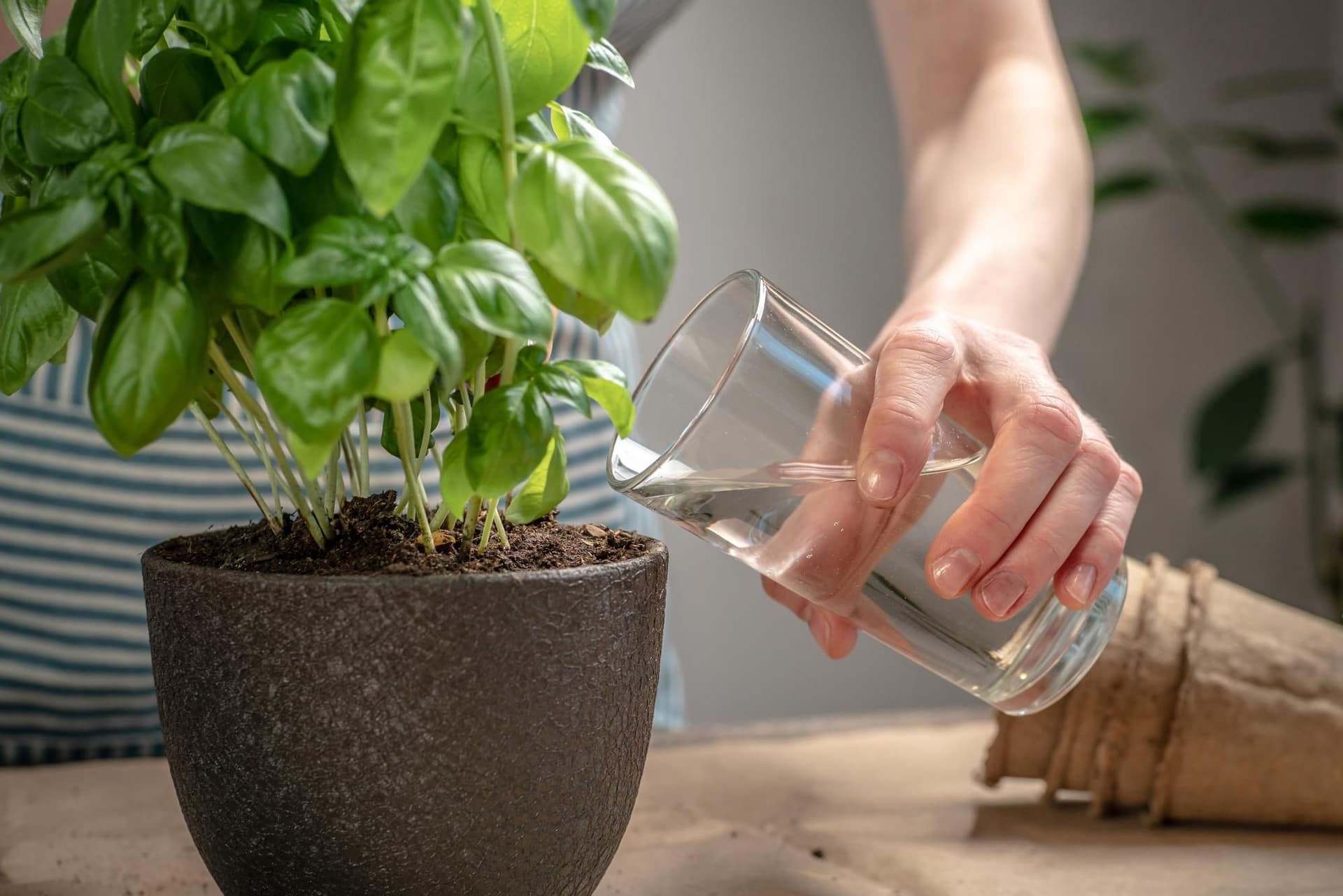
Sugar water may sound like an easy boost, but most rooted plants do not need extra sucrose. This guide explains how green tissues produce carbohydrates, when a sweetened solution can be useful, and why too much can cause problems.

Plant Care
Is Sugar Water Good for Plants?
How to Winterize Your Garden in 6 Steps

5 min read · 28 Sept 2026

How to Winterize Your Garden in 6 Steps

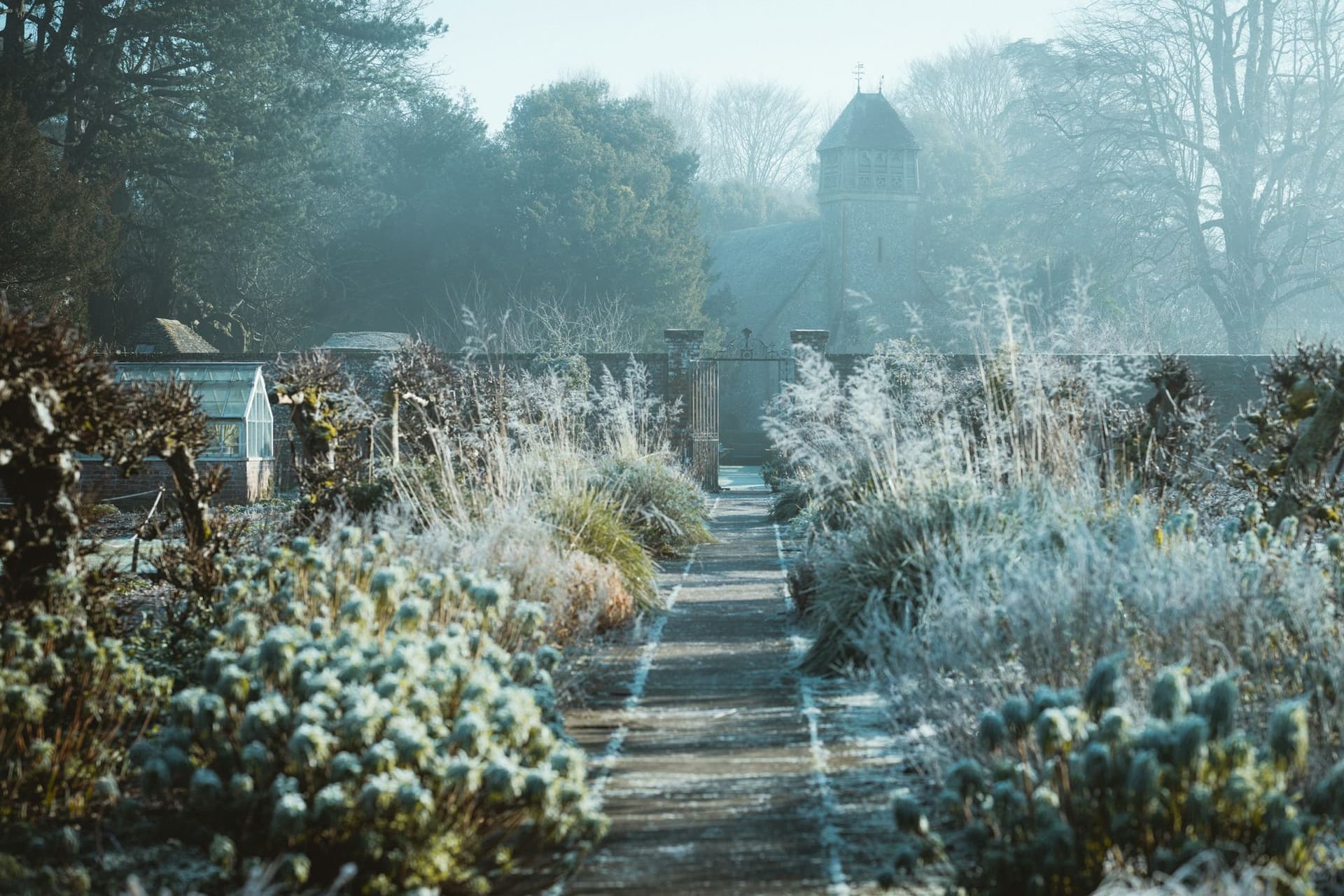
Learn how to prepare your garden for winter with a practical six-step checklist covering cleanup, tender plant care, watering, mulching, winter protection, and winterizing equipment and containers.

Plant Care
How to Winterize Your Garden in 6 Steps
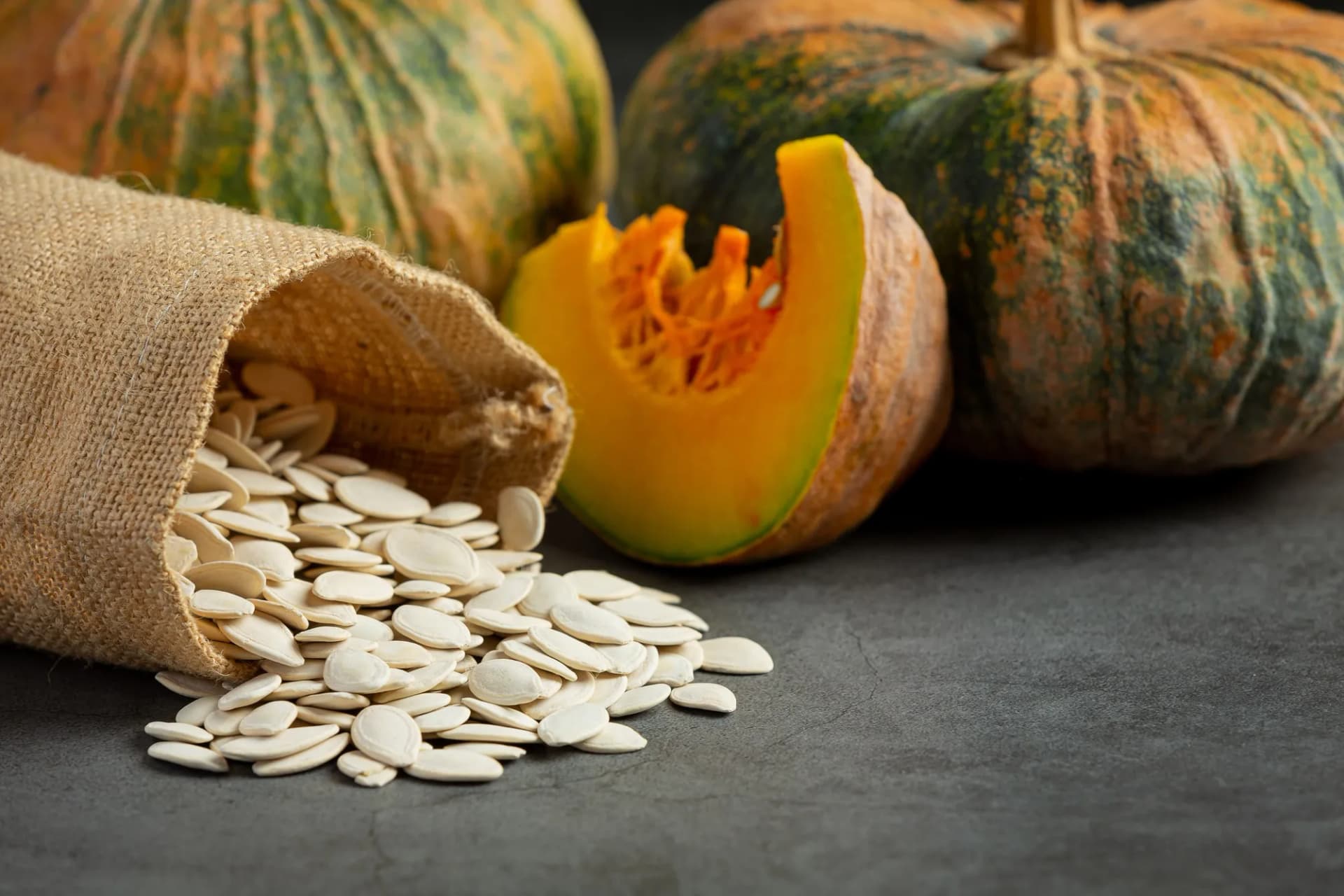
How to Plant Pumpkin Seeds for a Fall Harvest and Grow Your Own Patch

7 min read · 4 Nov 2026

How to Plant Pumpkin Seeds for a Fall Harvest and Grow Your Own Patch

A backyard pumpkin patch starts months before the first leaves turn: the harvest that ends up on the porch in October is decided by what a gardener does in late spring.

Beginner Guides
How to Plant Pumpkin Seeds for a Fall Harvest and Grow Your Own Patch