



Irish moss (Chondrus crispus) Light Needs

Irish moss grows best in bright, filtered light to partial sun, with some protection from harsh sustained exposure.

Light Preference

Partial Shade

Chondrus crispus Light Requirements

Chondrus crispus grows on rocky North Atlantic shores, often in the lower intertidal and shallow subtidal zone. Light reaches it through moving seawater, so it is bright but often filtered, with periods of stronger exposure during low tide. This pattern explains why cultivated plants can tolerate sun yet perform best when light is steady rather than harsh. Preferred light is bright filtered light or partial sun.

  • Ideal exposure:

    Irish moss needs about 6–8 hours of bright, filtered light or partial sun daily, including about 2–4 hours of gentle direct sun.

  • Direct sun limit:

    Full sun can be tolerated for several hours in cool conditions, but sudden intense midday exposure can bleach or dry exposed tissue.

  • Lower-light limit:

    Light shade is tolerated for part of the day, but deep shade usually reduces color, density, and active growth.

  • Safer brightness:

    Even light through moving water or light filtering is safer than sharp swings from shade to hot sun.

Excess light is most likely when strong sun combines with heat or sudden exposure.

Bleached color:

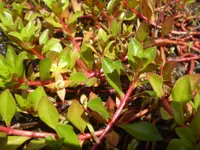
Tissue may shift from deep red-purple to pale pink, tan, or whitish patches, especially on upper exposed surfaces.

Crisp texture:

Exposed fronds may feel dry, papery, or brittle after intense sun during low-tide-style conditions.

Patchy thinning:

Bright spots may become thinner or uneven where light hits directly for several hours.

Stalled recovery:

New growth may stay small after a sudden move into brighter sun.

Shift it to filtered light or shorter morning sun. Reintroduce stronger light gradually over 1–2 weeks if brighter placement is needed.

Too little light usually shows as weak growth during the active season.

  • Sparse growth:

    New fronds may appear fewer and thinner than expected when light stays weak for many days.

  • Reaching habit:

    Growth may lean or extend toward the brightest side instead of staying evenly compact.

  • Muted color:

    Chondrus crispus may look unusually dark or dull when it is held in shade too long.

  • Open patches:

    The mat can become less dense as older tissue is not replaced quickly.

Move it into brighter filtered light or partial sun. Increase exposure in steps rather than moving it straight into strong afternoon sun.

When ideal partial sun is not available, choose bright filtered light with brief morning sun rather than long hot afternoon exposure.

Use shade cloth, natural screening, or placement under moving, shallow water to soften midday rays without making the site dim.

Deep shade is a poor setup because it reduces active growth and keeps the plant too weak for dense cover.

Get Personalized Care Plan

Scan your plant to receive care tips personalized for your specific plant

FAQ

Irish moss light requirements are best met with bright, filtered light or partial sun for about 6–8 hours daily, with only a few hours of gentle direct sun.

More Plant Light Guides

Get the Botan App

Discover how to care for your plants with Botan.

Botan app identifying a plant with a phone camera
Best Water for Plants – How to Choose the Right Type

7 min read · 13 Aug 2026

Best Water for Plants – How to Choose the Right Type

Rainwater, filtered, distilled, and tap water affect plants differently. Learn which types support healthy growth and which cause slow damage. Match each to your plants and discover how to easily improve tap water quality.

Plant Care

Best Water for Plants – How to Choose the Right Type
Banana Peel Water for Plants: 5 Things to Know Before Trying It

5 min read · 9 Jul 2026

Banana Peel Water for Plants: 5 Things to Know Before Trying It

Banana water can provide potassium and some nutrients that may support plant growth, but it is not a universal fix. Use it carefully and only when the plant actually shows signs of nutrient deficiency rather than as a routine treatment.

Plant Care
Banana Peel Water for Plants: 5 Things to Know Before Trying It
12 Best Plants That Repel Spiders For Your Home and Garden

8 min read · 24 Jul 2026

12 Best Plants That Repel Spiders For Your Home and Garden

Spiders constantly appear in places you don't want them. A few common plants can help repel them using scent alone. Here are 12 options suitable for both indoors and outdoors, plus care tips for each.

Plant Recommendations
12 Best Plants That Repel Spiders For Your Home and Garden