

Water spangles (Salvinia minima) Light Needs

Water spangles grows best with partial to full sun, ideally bright light with several hours of direct sun.

Light Preference

Partial Sun

Salvinia minima Light Requirements

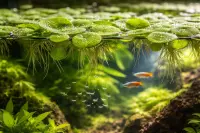
Salvinia minima is native to warm parts of the tropical Americas, where it floats on still or slow-moving freshwater. In ponds, marsh edges, canals, and quiet backwaters, the fronds often sit in open sky with sun for much of the day, though taller bankside vegetation can create partial shade. Cultivated plants respond best when this open-water brightness is recreated. It prefers partial to full sun.

  • Ideal exposure:

    Water spangles needs about 6–8 hours of bright light daily, ideally partial sun to full sun, including 3–6 hours of direct sun.

  • Direct sun:

    Established mats can tolerate full sun when conditions are stable, but sudden intense afternoon sun can bleach tender new growth.

  • Lower light:

    Light shade is tolerated for part of the day, but dense shade usually leads to thin, slower growth.

  • Safer sun:

    Morning and late-day sun are safer than hot midday exposure when plants were grown under softer light.

Indoors, Water spangles needs the brightest water-safe location available, because window glass reduces usable sun.

NPoor
North-facing window:

A north-facing window is usually too dim unless the container also receives strong reflected light or supplemental light.

ESuitable
East-facing window:

An east-facing window is suitable because it gives gentle morning sun and bright light without the strongest afternoon heat.

SBest
South-facing window:

A south-facing window is best if intense midday rays are filtered or the container sits a few feet back during hot months.

WConditional
West-facing window:

A west-facing window can work only with filtered afternoon sun, since late-day heat and strong rays can cause stress after a sudden move.

For indoor culture, aim for strong light over the water surface rather than a shaded shelf across the room.

Strong sun is usually tolerated, but abrupt exposure can stress floating fronds.

Bleached tops:

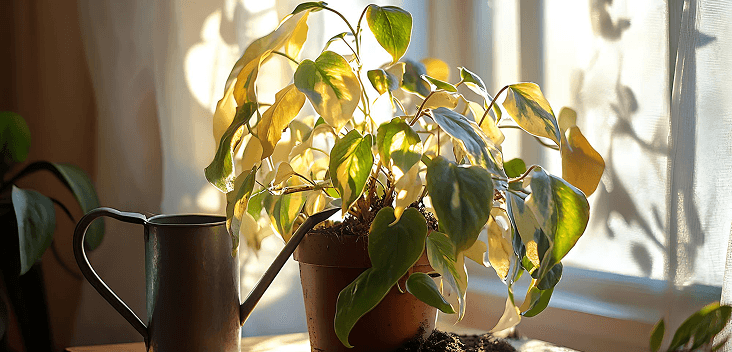
Upper fronds may look pale green, yellow-white, or washed out after a move into stronger direct sun.

Tan patches:

Dry-looking tan or brown spots on the exposed surface can appear where harsh afternoon sun hits most directly.

Frond curling:

Small fronds may cup, curl, or look crisp at the edges during periods of intense sun and heat.

Stalled spread:

A mat that stops expanding in otherwise active weather may be receiving more direct exposure than it can use.

Move the container or aquarium away from harsh afternoon rays, or add light filtering for several days. Keep bright conditions, but reintroduce stronger sun gradually.

Low light is a common problem indoors. Salvinia minima may survive for a time, but growth usually weakens.

  • Sparse mats:

    Floating growth stays open instead of forming a fuller surface cover, even during warm active months.

  • Longer spacing:

    New fronds may sit farther apart along the stems as growth reaches toward stronger light.

  • Smaller fronds:

    New growth often comes in smaller and thinner than older sections produced in brighter conditions.

  • Slower spread:

    The plant expands slowly or stalls when days are short or the container sits away from bright light.

Shift it to a brighter position with direct morning sun or strong filtered light. Avoid placing it in shade while waiting for growth to improve.

If ideal sun is not available, choose the brightest spot that gives at least a few hours of direct morning sun or strong filtered light. Reduce harsh afternoon exposure with a sheer curtain or by moving the container slightly back.

Remove nearby objects that cast shade over the water surface, and rotate the container weekly if one side receives most of the light.

Do not use a dim shelf or shaded corner; this setup rarely provides enough energy for compact floating growth.

Get Personalized Care Plan

Scan your plant to receive care tips personalized for your specific plant

FAQ

Water spangles light requirements are partial to full sun. Aim for bright daily exposure, with several hours of direct sun when possible and some protection from abrupt, harsh afternoon changes.

More Plant Light Guides

Get the Botan App

Discover how to care for your plants with Botan.

Botan app identifying a plant with a phone camera
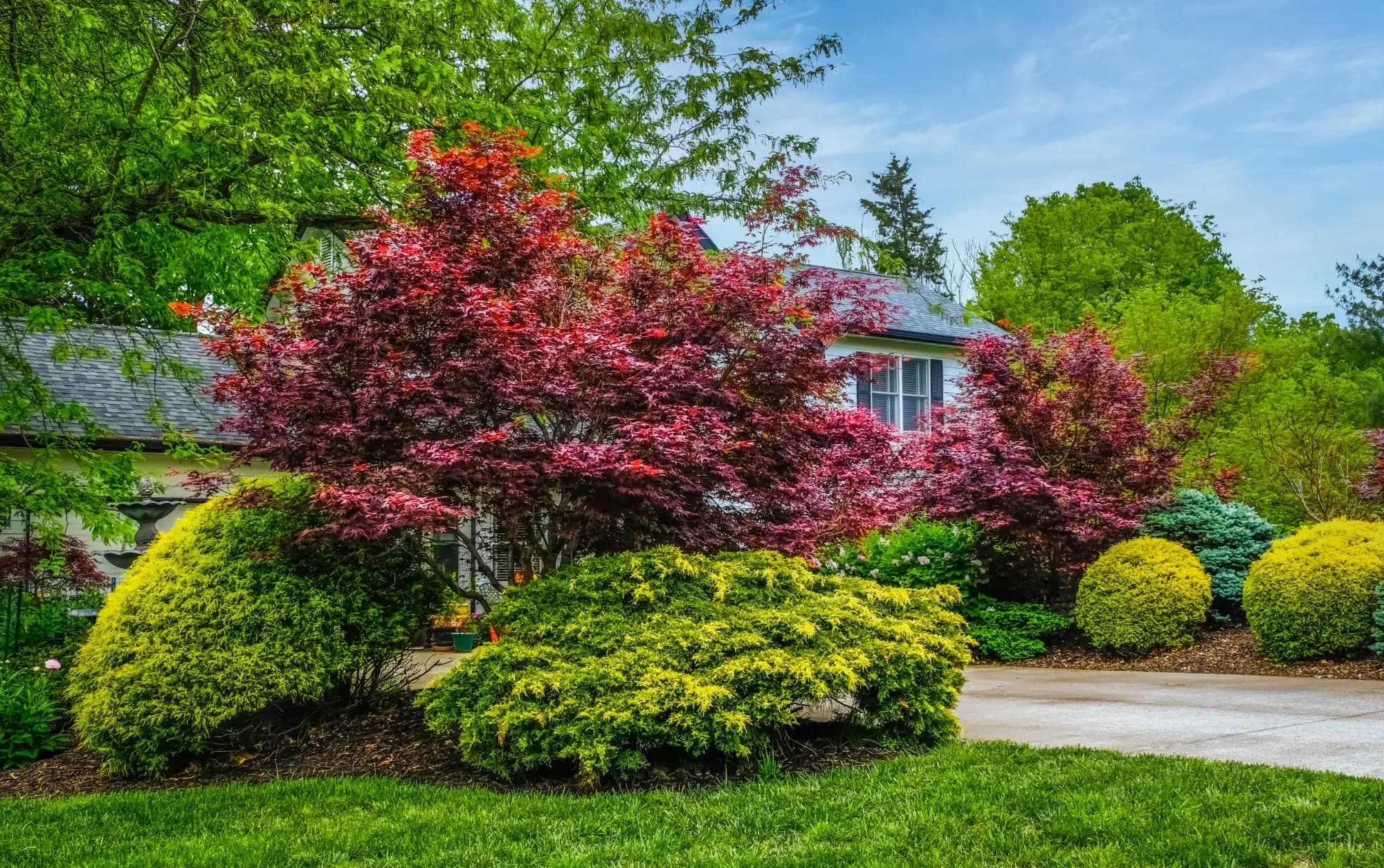
13 Best Front Yard Trees for Every Home and Yard

12 min read · 7 Aug 2026

13 Best Front Yard Trees for Every Home and Yard

A front yard tree can stay for decades. Therefore, choosing one deserves serious consideration. Here are 13 trees that have proven themselves, sorted by their purpose. You'll also find five species to avoid and basic planting information.

Plant Recommendations
13 Best Front Yard Trees for Every Home and Yard
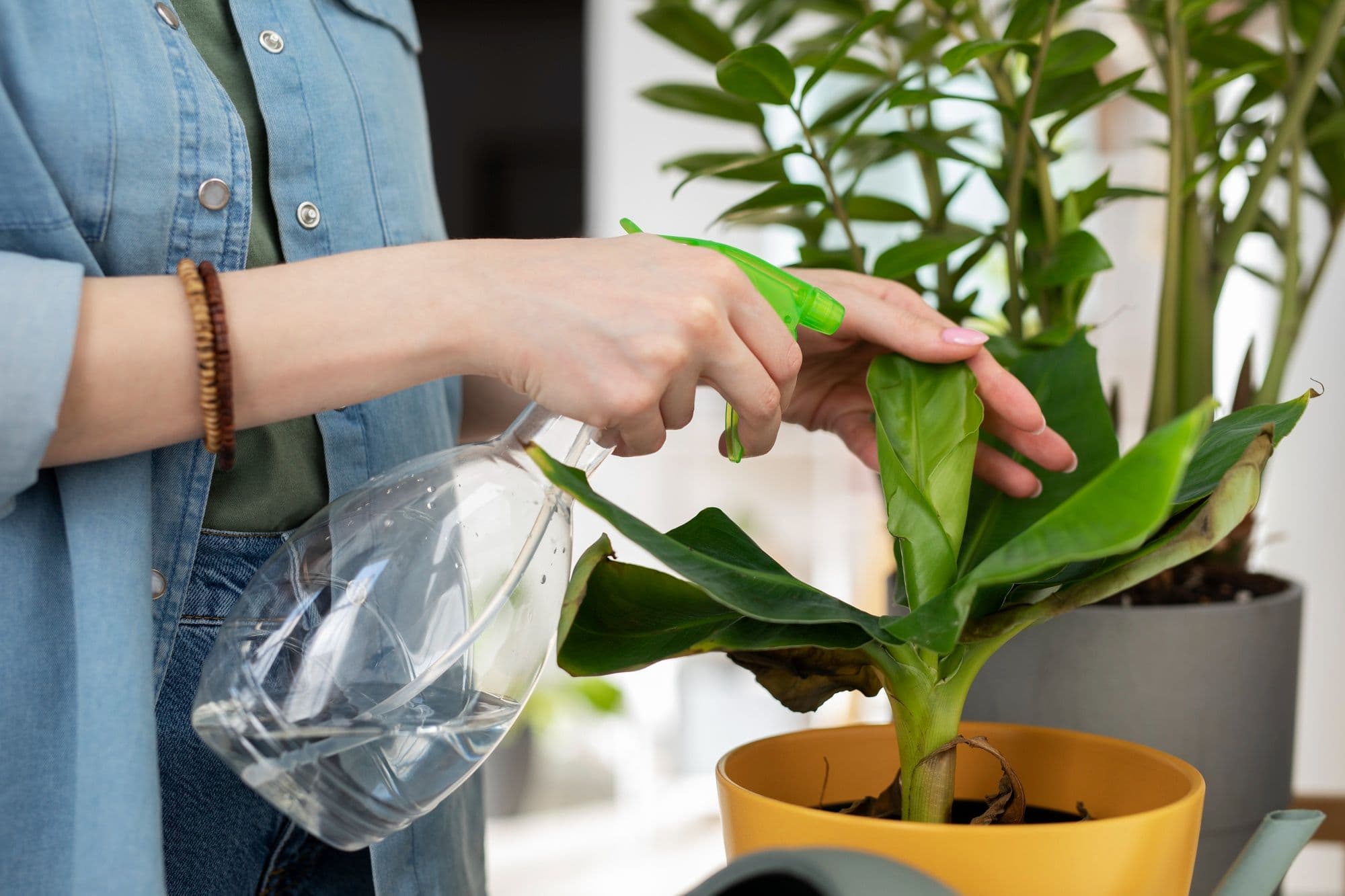
How to Mist Plants – Proper Technique and Common Mistakes

7 min read · 30 Jul 2026

How to Mist Plants – Proper Technique and Common Mistakes

Find out when misting works well and when to avoid it. Here, you’ll find detailed information about compatible and incompatible species, tips on how often to mist plants and do it correctly, and some great alternatives for raising humidity.

Beginner Guides
How to Mist Plants – Proper Technique and Common Mistakes
Plants That Repel Bugs – 20 Effective Options

12 min read · 16 Jul 2026

Plants That Repel Bugs – 20 Effective Options

Mosquitoes on the patio? Gnats in the kitchen? Some plants keep them away with the scent of their own leaves. Here are 20 that deal with mosquitoes, flies, aphids, and more, plus where to put them so they help.

Plant Recommendations
Plants That Repel Bugs – 20 Effective Options