

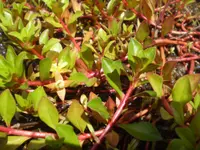
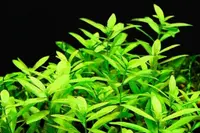

Dwarf rotala (Rotala rotundifolia) Light Needs

Dwarf rotala grows best in bright filtered light to partial sun, with gentle direct sun when acclimated.

Light Preference

Partial Shade

Rotala rotundifolia Light Requirements

Dwarf rotala is native to warm Asian wetlands, where it grows in shallow water, marsh edges, and seasonally flooded ground. In these open habitats, stems may receive direct sun for part of the day, with filtered light or partial shade from surrounding vegetation at other times. Cultivated plants follow the same pattern. Its preferred light is bright filtered light to partial sun.

  • Ideal exposure:

    Dwarf rotala needs about 8–10 hours of bright filtered light or partial sun daily, including about 2–4 hours of gentle direct sun.

  • Direct sun:

    Acclimated growth can handle full sun outdoors, but sudden hot afternoon sun can scorch tender emersed leaves.

  • Lower light:

    Partial shade is tolerated, but deep shade usually leads to stretched, sparse stems and weaker color.

  • Morning sun:

    Morning sun is safer than late-day sun because it provides brightness with less heat stress.

Indoors, this species is usually easier to light with a bright aquarium or container setup than by window exposure alone.

NPoor
North-facing window:

A north-facing window is usually too dim unless a strong plant light supplies most of the daily exposure.

ESuitable
East-facing window:

An east-facing window can work for a clear container or shallow setup that receives gentle morning sun without overheating.

SConditional
South-facing window:

A south-facing window is usable only with filtered sun or distance from the glass to prevent heat buildup and sudden glare.

WConditional
West-facing window:

West-facing light can be harsh in the afternoon, so it is conditional only where direct sun is filtered and temperatures stay stable.

Avoid placing the container where direct sun overheats the water or causes rapid algae growth.

Excess light usually appears after sudden exposure.

Bleached tips:

New shoot tips may turn pale, whitish, or translucent after intense direct sun or very strong overhead light.

Scorched emersed leaves:

Leaves grown above the water can develop dry tan patches where harsh sun hits them directly.

Algae-coated growth:

Submerged leaves may become coated with green film when strong light lasts longer than the plant can use.

Stunted tops:

Rotala rotundifolia may produce tight, small shoot tips if high light is paired with heat stress.

Reduce the intensity first by filtering direct rays or moving the container back from the light source. Keep bright conditions, but return to stronger sun gradually.

Weak light shows gradually in the newest growth and overall stem shape.

  • Stretched stems:

    Internodes, the spaces between leaf pairs, become longer, giving the plant a thin and open look.

  • Leaning growth:

    Stems may angle toward the brightest side instead of growing evenly upward.

  • Smaller tips:

    New leaves can stay small, soft, and less dense when light is below the useful range.

  • Weaker color:

    Rotala rotundifolia often stays plain green in low light instead of developing warmer tones under stronger exposure.

Move it to a brighter position or increase daily light duration in small steps. Improvement should appear first in new growth.

If ideal partial sun is not available, choose the brightest stable exposure and avoid deep shade; that compromise meets Rotala rotundifolia light needs better than short bursts of harsh sun.

Filter intense midday or afternoon rays with a sheer barrier, or move the container several inches back from the brightest glass.

Reject dim shelves and shaded corners because they produce stretched stems and weak color.

Get Personalized Care Plan

Scan your plant to receive care tips personalized for your specific plant

FAQ

A common answer to how much light does Dwarf rotala need is about 8–10 hours of bright filtered light or partial sun each day, with only a few hours of gentle direct sun.

More Plant Light Guides

Get the Botan App

Discover how to care for your plants with Botan.

Botan app identifying a plant with a phone camera
Rice Water for Plants – Which Plants Love It and How to Make It

8 min read · 14 Jul 2026

Rice Water for Plants – Which Plants Love It and How to Make It

Rice water can be an ideal DIY solution for orchids, roses, or fruiting plants. It supports growth, leaf count, and height. We’ll share how to make and apply it correctly for your plant.

Plant Care
Rice Water for Plants – Which Plants Love It and How to Make It
How to Repot a Plant: A Step-by-Step Guide

7 min read · 28 May 2026

How to Repot a Plant: A Step-by-Step Guide

In spring, many plants need repotting—an essential part of care. To avoid stress, consider the plant’s type and size. This article offers a step-by-step guide for repotting indoors or outdoors and shows how to check plant health and get care tips using the Botan App.

Plant Care
How to Repot a Plant: A Step-by-Step Guide
10 Easy Garden Flowers to Grow

8 min read · 10 Sept 2026

10 Easy Garden Flowers to Grow

Discover 10 garden flowers that require minimal care. Learn which characteristics make plants easy to grow and follow tips on how to create a beautiful corner from beginner-friendly blooms on your property.

Beginner Guides
10 Easy Garden Flowers to Grow