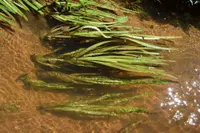
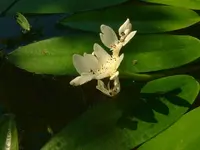
seedbox Care (Ludwigia alternifolia)

seedbox

About seedbox

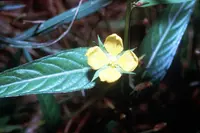
Seedbox, Ludwigia alternifolia, is a moisture-loving herbaceous perennial native to wetlands and damp meadows in eastern North America. It often grows along pond edges, ditches, and slow streams. The plant forms upright, slender stems with narrow alternate leaves and small yellow flowers that mature into distinctive cube-shaped seed capsules. These boxy seed pods give the plant its common name and add seasonal interest. It suits naturalistic, rain garden, or bog-style plantings where soil stays consistently moist. Once established in a suitable wet site, it can be relatively low-maintenance, but drier conditions make care for seedbox more challenging.

Main Plant Requirements

Care Difficulty

Moderate Care

Light Preference

Full Sun

Water Requirements

Aquatic

Temperature Preference

Cool Climate

Hardiness Zone

5–9

Soil Texture

Loamy, Silty, Organic-rich

Soil pH

Acidic (5.5–6.5), Slightly acidic (6.5–7.0)

Soil Drainage

Waterlogged tolerant

Fertilization

Minimal (feed rarely)

Get Personalized Care Plan

Scan your plant to receive care tips personalized for your specific plant

Available on iOS and Android

How to Care for the seedbox

Ludwigia alternifolia prefers consistent sun exposure in open, wet habitats for strong growth and color.

  • Provide 4–6 hours of direct morning to early afternoon sun, with light afternoon shade in hotter regions to limit leaf scorch.
  • Plant seedbox where it receives at least bright, unobstructed light; in partial shade (2–4 hours sun) stems elongate and foliage may green rather than redden.
  • In summer, avoid intense, reflected afternoon sun; in early spring and fall, slightly longer sun exposure helps compensate for lower light intensity.

This wetland species favors constantly moist to saturated conditions rather than fluctuating wet-dry cycles.

  • Aim for soil that stays consistently damp; in garden beds, do not allow the top 2–3 cm to dry fully, especially during active summer growth.
  • Use mucky, organic, slow-draining soil near ponds, ditches, or rain gardens; avoid coarse, fast-draining substrates that dry within a day.
  • Watch for stress signals: drooping, crisp leaf edges, and slowed growth suggest underwatering, while foul odor, blackened stems, or slimy roots indicate prolonged waterlogging without oxygen.

This species is adapted to temperate climates with warm summers and cold winters.

  • Optimal growing temperatures are about 70–85°F (21–29°C), when stems elongate and foliage develops best color.
  • Plants tolerate down to about 25°F (-4°C) in dormant form; repeated hard freezes below this can damage above-ground growth but roots may survive under insulating soil or mulch.
  • In heat above 90°F (32°C), ensure constant soil moisture; in winter, expect top growth to die back while underground parts persist where winters remain within its hardiness range.

This wetland species prefers consistently high humidity to stay vigorous in cultivation.

  • Aim for 60–80% humidity, especially in warm weather, to mimic its natural marshy environment.
  • It tolerates short dry-air spells, but prolonged levels below 40% cause leaf edge browning and faster wilting in seedbox.
  • Increase humidity with nearby trays of water, grouped plantings, or positioning containers near shallow water features rather than relying only on misting.

Ludwigia alternifolia grows best in consistently moist, fine-textured, organic-rich soil.

  • Use a loamy mix with high organic matter, such as 2 parts peat or coco coir, 1 part compost, and 1 part fine sand for structure.
  • Keep drainage slow but functional; soil should stay evenly wet without standing water above the surface for long periods.
  • Target slightly acidic to neutral conditions, around pH 5.5–7.0, which support root activity and nutrient uptake.
  • Avoid compacted, gravelly, or strongly alkaline substrates, and prevent hydrophobic dry peat by pre-wetting the mix thoroughly before planting.

This species can be grown in containers if the pot allows consistently wet, stable conditions.

  • Choose a deep, heavy container that resists tipping when the tall stems are fully leafed out and wind-exposed.
  • Use a pot without side drainage holes but with a controlled overflow level if you want to maintain a shallow water layer above the soil.
  • Place the container inside a larger watertight cache pot or basin to create a mini-bog that keeps the root zone saturated without frequent watering.

This native wetland perennial needs only light feeding in average garden soils.

  • Use a balanced, diluted liquid fertilizer (for example 10-10-10 at 1/4–1/2 strength) for container or nutrient-poor plantings.
  • Feed every 4–6 weeks during active spring–summer growth if foliage looks pale or growth is weak.
  • Avoid heavy applications; excess nutrients can reduce vigor and encourage weaker, lanky stems in seedbox.
  • Stop feeding in fall and winter to match the plant’s natural dormancy.

Thoughtful pruning helps Ludwigia alternifolia stay compact and encourages fresh, vigorous shoots.

  • Best time is late winter to early spring, before strong new growth starts.
  • Remove dead, damaged, or crossing stems with clean, sharp scissors or hand pruners.
  • Lightly shorten tall, leggy shoots to promote bushier growth and more uniform clumps.
  • After flowering, trim spent stems to maintain shape and prevent unwanted self-seeding if desired.

This species is more often transplanted in wetland or bog-style beds than repotted in containers.

  • Transplant in early spring or early fall when temperatures are mild and soil stays evenly moist.
  • Look for signs such as crowded clumps, declining vigor, or roots circling a pot if grown in containers.
  • Plan on dividing or shifting clumps every 2–3 years to maintain strong growth and prevent overcrowding.
  • Lift plants with a generous soil ball, keep roots constantly moist, and replant at the same depth to limit stress.

Ludwigia alternifolia is commonly propagated by seed and by division of established clumps.

  • Collect ripe seed in late summer, then sow in spring on consistently moist, fine substrate under bright light.
  • Do not cover seeds heavily; a thin dusting of medium helps while still allowing light for germination.
  • For division, split vigorous clumps in early spring, keeping several shoots and healthy roots per piece.
  • Replant divisions into saturated, organic-rich soil and maintain constant moisture until well established.

This hardy wetland perennial tolerates typical winters in much of its native range with minimal attention.

  • In planted beds, the root system usually survives freezing once established in consistently moist soil.
  • Allow top growth to die back naturally; stems can be cut to the ground in late winter or early spring.
  • In containers, sink pots into the ground or move them into a cold, unfrozen shelter to protect roots.

Care Tips

Manage Spread

Plant in contained beds or lined pond margins and remove outer stems each spring to prevent this species from spreading aggressively into adjacent wetland or lawn areas.

Seasonal Cutback

In late fall after foliage dies back, cut stems close to the ground and remove debris to reduce overwintering fungal spores and insect eggs in the planting area.

Water Level Control

In bog gardens or shallow pond edges, keep the crown just above the constant water line and raise water depth only after roots are established to avoid crown rot.

Nutrient Buffering

Use a narrow planting strip of this species downslope from fertilized lawns or beds so its dense root system helps intercept and use excess nutrients before they reach natural waterways.

Wildlife-Safe Maintenance

Schedule major thinning or transplanting outside peak bloom and seed set so that pollinators and seed-eating wildlife retain access to flowers and maturing capsules while you are growing seedbox.

Everything About seedbox

Common Pests and Diseases

Aphids

This pest often clusters on young stems and undersides of leaves, sucking sap and causing distortion, yellowing, and sticky honeydew that can lead to sooty mold growth.

Solution

Rinse stems and leaves with a firm stream of water to dislodge colonies, then use insecticidal soap or a neem oil spray, making sure to coat the undersides of leaves; repeat at 5–7 day intervals until populations collapse.

Leaf-mining larvae

These insects create narrow, winding tunnels inside the leaves, leading to pale trails, blotches, and premature leaf drop on emergent seedbox plants along pond margins or in wet soil.

Solution

Remove and destroy mined leaves as soon as damage is seen, reduce dense surrounding vegetation that shelters adult flies or moths, and, if needed, apply a biological control such as spinosad to foliage following specific label directions.

Rust fungus

This disease appears as small orange to brown pustules on leaf surfaces and stems, which can merge into larger patches and cause premature defoliation in dense, humid stands of seedbox.

Solution

Remove and discard heavily infected leaves and plant debris, improve spacing and water movement around plants to reduce leaf wetness, and use a labeled copper-based fungicide on emergent foliage if conditions remain very humid and symptoms continue.

Leaf spot

Symptoms include small dark or tan spots that may have purple or reddish margins, often coalescing into larger dead areas on leaves in warm, wet conditions.

Solution

Clip and discard affected leaves to limit spread, avoid overhead irrigation or splashing water over foliage, and use a preventative broad-spectrum fungicide on new growth where Ludwigia alternifolia care involves closely spaced plants in wetland plantings.

Interesting Facts

Seedbox capsule design

This species develops square, box-like seed capsules with a cross-shaped opening, a distinctive fruit shape that inspired its common name seedbox and helps protect seeds until they are fully mature.

Wetland habitat specialist

It is naturally found in acidic, seasonally wet habitats such as pond margins, wet meadows, and boggy ditches across eastern North America, indicating relatively clean, undisturbed hydrology.

Alternate leaf arrangement

True to its species name alternifolia, meaning alternating leaves, the leaves are arranged singly along the stem rather than in pairs, which helps distinguish it from many other wetland Ludwigia species.

Botan icon

Did you know?

Ludwigia alternifolia is considered a species of conservation concern in several US states, where drainage of wetlands and habitat alteration have reduced its naturally scattered populations, making intact wetland remnants important for its long-term survival.

FAQs about seedbox

Poor flowering usually comes from low light, nutrient-poor or very dry soil, or plants that are still immature. Ensure full sun, consistently moist but not stagnant soil, and avoid heavy cutting before the natural blooming season.

Grow Healthy Plants with Botan Care

Keep your plants happy and healthy with plant identification, disease detection, and easy care guidance.

Botan plant care app — identify plants on mobile

Explore More Plants