Redcoats Care (Utricularia menziesii)

Redcoats

About Redcoats

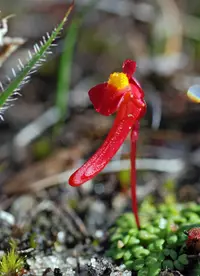
Utricularia menziesii, commonly called Redcoats, is a small terrestrial carnivorous plant from southwestern Australia. It grows from underground tubers and appears seasonally. The plant produces bright red, hooded flowers on slender stems above fine foliage, often in winter and spring in its native habitat. It naturally occurs in wet, sandy or peaty soils that are seasonally waterlogged and then dry out. Redcoats are considered challenging in cultivation because they need a cool, wet growing season and a distinct dry dormancy. They suit patient growers willing to learn how to care for Redcoats in controlled indoor or greenhouse conditions.


Main Plant Requirements

Care Difficulty

Hard Care

Light Preference

Partial Sun

Water Requirements

Aquatic

Temperature Preference

Cool Climate

Hardiness Zone

9–10

Soil Texture

Sandy, Peaty, Organic-rich

Soil pH

Strongly acidic (4.5–5.5)

Soil Drainage

Waterlogged tolerant

Fertilization

Minimal (feed rarely)

Get Personalized Care Plan

Scan your plant to receive care tips personalized for your specific plant

Available on iOS and Android

How to Care for the Redcoats

This tuberous carnivorous species needs strong but not harsh light to flower well.

  • Provide 4–6 hours of gentle sun daily, ideally morning sun with bright filtered light or light shade in the afternoon.
  • Tolerates light dappled shade, but Redcoats grown in too much shade produce weak leaves and few or no flowers.
  • In hot summers, protect from intense midday sun to prevent leaf scorching; in winter dormancy, the underground tuber does not need light but should stay in the same bright position.

This species needs wet conditions in growth but drier soil in summer dormancy.

  • During active growth, keep the soil saturated but not flooded; the surface should look glossy moist without standing water for more than 1–2 hours.
  • Use low-mineral water and ensure very free drainage; a sandy, peaty mix that drains fast helps prevent stagnant, sour-smelling soil and root or tuber rot.
  • As Utricularia menziesii enters summer dormancy, gradually let the soil dry to just slightly damp, watching for shriveling tubers or mold as signs of incorrect moisture.

This plant follows a Mediterranean-type climate cycle with cool, wet winters and hot, dry summers.

  • Aim for 50–68°F (10–20°C) during active growth, with cooler nights; short dips to 41°F (5°C) are tolerated if the soil stays moist and frost free.
  • The dormant tuber handles brief drops near 32°F (0°C) if kept dry and protected from actual frost, but long freezes can kill it.
  • In summer dormancy, it tolerates 77–95°F (25–35°C) if the soil stays mostly dry and the pot is shaded from radiant heat.

This species prefers moderately humid air but usually copes with typical indoor levels if roots stay evenly moist.

  • Aim for 40–60% humidity; short dips lower are tolerated if the soil does not dry out.
  • Dry air can cause slower growth and browning leaf tips, especially during active growth of Redcoats.
  • Increase humidity with a nearby tray of water and pebbles or by grouping plants, rather than misting foliage.

This carnivorous terrestrial species needs a very low-nutrient, airy, and consistently moist medium.

  • Use a loose mix such as 2 parts sphagnum peat to 1 part silica sand or fine perlite to mimic nutrient-poor seepage soils.
  • Ensure rapid drainage through many small air spaces, while keeping the mix evenly damp, not waterlogged or fully dry.
  • Keep pH mildly acidic, roughly pH 4.5–5.5, which matches natural Utricularia menziesii habitats and supports healthy trap function.
  • Avoid fertilizers, composts, bark, and standard potting mixes, which add excess nutrients and can quickly burn roots and traps.

This species is suitable for container growing when moisture and aeration are controlled precisely.

  • Choose a relatively deep, narrow pot to provide a cool, stable root zone and prevent sudden drying of the medium.
  • Use plastic or glazed ceramic containers, which slow evaporation and keep the fine substrate evenly moist compared with porous clay.
  • Stand the pot in a shallow tray of low-mineral water so the lower medium stays damp while the surface remains only slightly moist.

This carnivorous species gains most nutrients from trapped prey, so Redcoats needs very little added fertilizer in cultivation.

Pruning needs for Utricularia menziesii are minimal and focus on hygiene rather than shaping.

Container-grown plants benefit from careful, infrequent repotting to refresh the low-nutrient medium.

  • Repot every 2–3 years, or when growth slows and the medium compacts rather than when roots circle the pot.
  • Plan repotting for late dormancy, just before new seasonal growth begins.
  • Use fresh, nutrient-poor, free-draining carnivorous plant mix and a slightly wider pot, not deeper.
  • Keep tubers and fine roots intact, handle gently, and water with pure low-mineral water to reduce stress.

Propagation of this tuberous species is possible but best attempted by growers with some carnivorous plant experience.

  • Vegetative division of tubers during dormancy is the most reliable method.
  • Detach only firm, healthy tubers with visible growth points and replant into fresh low-nutrient mix.
  • Maintain cool, slightly moist conditions after planting until active growth resumes.
  • Seed germination is slow and needs consistently cool, bright conditions with pure water and no added fertilizer.

This tuberous species enters a dry, cool dormancy, so winter care focuses on keeping underground parts safe rather than promoting growth.

  • Allow foliage to die back naturally at the start of dormancy and then reduce watering sharply.
  • Keep dormant tubers cool but frost-free, around 40–55°F, in a very slightly moist medium.
  • For outdoor containers, move pots to a sheltered, frost-free spot or unheated indoor space with good air circulation.

Care Tips

Seasonal dormancy reset

At the start of summer dormancy, gradually dry the medium over 1–2 weeks and keep the pot completely dry and warm until new growth points appear with autumn rains, which helps sync the plant’s life cycle with its natural winter-growing pattern.

Deep pot choice

Use tall, narrow pots (at least 12–15 cm deep) to give underground stolons and traps room to spread, which improves vigor and flowering compared to shallow containers.

Cool-night placement

During the active winter growth period, place the plant in the coolest bright spot available, such as an unheated porch or cold greenhouse, to provide distinct cool nights that encourage strong rosettes and more reliable flowering.

Rainwater storage planning

Store enough low-mineral rainwater or RO water ahead of the winter growing season so that you can top-water freely and flush the medium regularly without resorting to tap water that may contain harmful salts.

Flower spike protection

Once flower spikes emerge, keep the pot in a position protected from splashing water and strong drafts, and rotate it only slightly between viewings to avoid mechanical damage and aborted buds when growing Redcoats.

Common Pests and Diseases

Fungal crown blight

This disease causes the growing point and crown area to turn brown, collapse, and stop producing new leaves or traps, especially in overly wet, stagnant winter conditions.

Solution

Remove and discard affected crowns and any slimy, brown tissue, then refresh the pot with clean, low‑nutrient media and ensure a cool but airy winter rest with good light and only just‑moist conditions. Maintain gentle air movement and avoid water sitting over the crown for long periods to support stable Utricularia menziesii plant care.

Algal overgrowth

This problem appears as green or brown film or mats on the soil surface and pot walls, competing with the plant and often indicating excess nutrients or light at the media surface.

Solution

Reduce mineral input by using only pure rain, RO, or distilled water and avoid fertilizer, then physically scrape away algae and top‑dress with fresh, clean media such as washed sand. Shade the pot sides or use taller pots so light does not constantly hit the saturated surface, which helps keep the tubers healthier.

Rhizome and tuber rot

Symptoms include soft, mushy underground stolons or tubers that darken and disintegrate after prolonged waterlogging or warm, stagnant conditions during dormancy.

Solution

Excavate gently, discard all soft or foul‑smelling tissues, and repot any still‑firm tubers into fresh, well‑aerated sandy media in a deeper pot. Adjust watering so the medium is damp rather than flooded in the warm season and only slightly moist and cool during the dry‑rest phase to support stable growing Redcoats.

Aphids

These insects cluster on flower stems and buds, sucking sap and causing distorted flowers, sticky honeydew, and sometimes sooty mold growth on the scapes.

Solution

Pinch off heavily infested flower stalks, then rinse remaining stems gently with a fine stream of water to dislodge aphids. For persistent infestations, use a low‑residue insecticidal soap spray, applied carefully to the aerial parts only and repeated at 5–7 day intervals until populations drop.

Slugs and snails

These pests feed on tender leaves, stolons, and flower stalks, leaving irregular holes, shredded growth, and shiny slime trails around the pot or tray.

Solution

Hand‑pick slugs and snails during the evening or early morning and use physical barriers such as copper tape around benches or pot trays. If pressure is high, place iron phosphate slug pellets away from the pot surface so bait remains accessible to slugs but does not contaminate the low‑nutrient media.

Interesting Facts

Winter-growing schedule

This species is active in the cool, wet winter of southwestern Australia and naturally goes dormant in the dry summer, surviving as small underground tubers until rain returns.

Two-tone red flowers

Its nodding flowers show a deep red hood with a contrasting lighter lower lip, a color pattern that helps attract specific native pollinators in its heathland habitat.

Soil-surface leaf traps

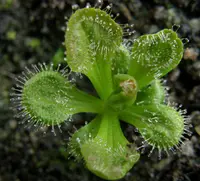
Instead of forming leaves above long stems, this plant produces flat, succulent leaves right on the soil surface, with tiny bladder traps hidden around the roots and in the surrounding wet sand.

Botan icon

Did you know?

This carnivorous species often forms tight colonies in seasonally waterlogged sandy soils, creating localized patches where countless microscopic bladder traps contribute measurably to nutrient cycling in otherwise nutrient-poor winter-wet heathlands.

FAQs about Redcoats

This species usually flowers in late winter to early spring, after a cool, moist growing season and a dry summer rest. Flowering happens once per year, with showy red blooms emerging on slender stalks above the leaves.

Grow Healthy Plants with Botan Care

Keep your plants happy and healthy with plant identification, disease detection, and easy care guidance.

Botan plant care app — identify plants on mobile

Explore More Plants