fairy aprons Care (Utricularia dichotoma)

Also known as: fairies' aprons
fairy aprons

About fairy aprons

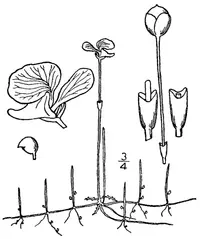
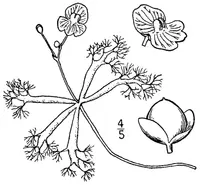
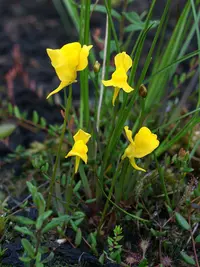
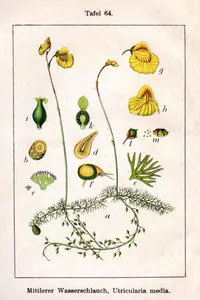
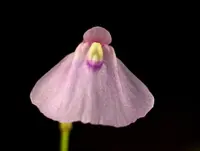
Fairy aprons (Utricularia dichotoma) are a small, terrestrial or semi-aquatic carnivorous plant from the bladderwort family. It traps tiny organisms in underwater or soil-level bladders. The plant forms fine grassy leaves and sends up delicate purple to lilac flowers that give it a light, airy look. It often grows in seasonally wet sands, bogs, and marshy areas in Australia and nearby regions. This species is attractive but can be challenging, as it needs consistently damp, low-nutrient conditions and does not tolerate drying out. Those who learn how to care for fairy aprons usually focus on stable moisture, soft water, and bright but gentle light.

Main Plant Requirements

Care Difficulty

Hard Care

Light Preference

Partial Sun

Water Requirements

Aquatic

Temperature Preference

Warm Climate

Hardiness Zone

9–11

Soil Texture

Sandy, Peaty, Organic-rich

Soil pH

Strongly acidic (4.5–5.5)

Soil Drainage

Waterlogged tolerant

Fertilization

Minimal (feed rarely)

Get Personalized Care Plan

Scan your plant to receive care tips personalized for your specific plant

Available on iOS and Android

How to Care for the fairy aprons

This small carnivorous species thrives in bright, gentle light similar to open, moist meadows.

  • Provide 4–6 hours of soft morning sun with bright, filtered light for the rest of the day; avoid harsh midday and late afternoon sun in hot climates.
  • Tolerates light partial shade, but very deep shade leads to weak growth and fewer fairy aprons flowers over time.
  • In summer, use dappled or filtered light in areas above 80°F (27°C); in cooler seasons, give more direct morning sun to support active growth.

This bog species requires consistently wet conditions and does not tolerate drying out.

  • Keep soil saturated or very soggy using low-mineral water; never allow the surface to dry or the root zone to become just damp.
  • Use a tray or constantly moist substrate with very poor drainage; standing water around the base is normal for Utricularia dichotoma in active growth.
  • Watch for yellowing, limp foliage and sour odor as signs of stagnant, foul water; crisping leaf tips or shrinking mats indicate the plant has been allowed to dry.

This species prefers mild, frost-free conditions with cool to warm temperatures.

  • Aim for 60–77°F (16–25°C) during active growth, which supports steady foliage and trap development.
  • Protect from frost; growth slows below 50°F (10°C) and repeated exposure near 32°F (0°C) can damage foliage or kill plants, especially in containers.
  • Tolerates short heat spells up to about 86–90°F (30–32°C) if kept very wet and shaded at midday; in prolonged heat, increase humidity and reduce direct sun.

This small carnivorous species prefers consistently moist air but adapts if its roots stay wet.

  • Aim for 50–80% humidity; avoid hot, dry drafts around the foliage.
  • Tolerates brief dips to 40% if the potting mix remains saturated and does not dry out.
  • Crisping leaf tips signal low humidity; increase by grouping pots or placing near a humid tray, which supports caring for fairy aprons.

This species needs a nutrient-poor, water-retentive but airy medium rather than conventional potting soil.

  • Use a mix of 1:1 sphagnum peat and silica sand for a loose, fine, organic-rich texture that still holds water.
  • Ensure the medium drains slowly but never fully dries; a constantly damp, bog-like structure suits Utricularia dichotoma.
  • Keep pH mildly acidic around 4.5–6.0, avoiding lime, fertilizers, and compost that add nutrients.
  • Improve aeration by adding a small portion of fine perlite, but avoid bark chips or coarse material that dry out too quickly.

This species grows well in shallow, wide containers that mimic a bog tray.

  • Choose a broad, low pot to give stolons room to spread horizontally without deep soil layers.
  • Use a solid, non-porous container such as plastic to slow evaporation and keep the substrate evenly saturated.
  • Stand the pot in a water tray so water sits just below the soil surface, allowing constant moisture without flooding the crown.

This small carnivorous species grows best with very little added nutrition, so focus on clean, low‑mineral water rather than heavy feeding.

  • Avoid standard houseplant fertilizers; if any feeding is used, choose a very dilute, balanced NPK orchid or carnivorous plant formula at 1/4 strength.
  • Apply liquid feed only during active growth in spring–summer, no more than every 4–6 weeks, and always into the medium, never on traps.
  • Skip fertilization in winter or dormancy-like slow periods to prevent salt buildup and root damage in containers when caring for fairy aprons.

Pruning needs for Utricularia dichotoma are light and mainly hygienic rather than structural.

  • Best timing is during active growth, after main flowering flushes, so the plant can recover quickly.
  • Gently remove dead flower stalks, browned foliage, and any decayed tissue to limit fungal issues in the wet medium.
  • Use fine scissors or tweezers, cutting above healthy tissue to avoid disturbing underground stolons and bladders.
  • Light grooming helps maintain a tidy mat of growth but does not significantly alter overall shape or flowering habit.

Transplanting is done infrequently, mainly to refresh the wet, low‑nutrient medium or divide crowded mats.

  • Look for slow growth, declining vigor, sour odor, or medium breakdown rather than visible roots, which are very fine and hidden.
  • Best timing is in spring, just before strong new growth, and usually every 2–3 years in containers.
  • Prepare a shallow pot with fresh, nutrient‑poor mix such as 1:1 sphagnum peat and sand or fine perlite, pre‑soaked in low‑mineral water.
  • Lift and move the mat with a wide spoon or spatula, keeping it intact, then water thoroughly to settle the medium and limit root stress.

This species is usually propagated by division of stolon mats rather than by seed in home collections.

  • Divide clumps in spring when growth restarts, separating small sections that each carry healthy green leaves and underlying stolons.
  • Replant divisions in shallow trays of saturated, low‑nutrient medium and keep in bright, indirect light for steady recovery.
  • Maintain consistently wet conditions with low‑mineral water and high humidity to support new root and stolon growth.
  • Seed propagation is possible but slower; surface‑sow on moist peat mix, avoid covering, and keep warm and evenly damp until germination.

Winter care depends on climate, but this plant generally dislikes hard freezes and needs protection in colder regions.

  • In mild, frost‑free climates, growth may simply slow; maintain wet conditions and normal light levels.
  • In areas with light frosts, use a 2–3 cm mulch around outdoor plantings to buffer temperature swings at the root zone.
  • For container specimens in cold climates, move trays or pots indoors to a bright, cool room before temperatures drop near freezing.

Care Tips

Use water trays

Stand pots in a shallow tray of rainwater or distilled water so the medium stays evenly wet, then let the tray dry out briefly before refilling to avoid stagnant, anaerobic conditions.

Refresh bog medium

Every 1–2 years, repot into fresh low-nutrient carnivorous mix and gently divide thick mats so the underground stolons have oxygen and space to renew growth.

Control algae growth

If green algae or moss starts to smother the surface, scrape off the top 0.5–1 cm of medium and replace it with fresh, rinsed sand or sphagnum to keep traps exposed and active.

Rotate light exposure

Turn pots a quarter turn every 1–2 weeks under artificial lights or in bright windows so flower stalks stay upright and foliage forms an even, compact mat instead of leaning to one side.

Cool season rest

In cooler months, slightly lower water levels and reduce disturbance so the plant can form resting structures underground, which supports long-term vigor when caring for fairy aprons.

Common Pests and Diseases

Aphids

These insects pierce soft stolons and flower stalks to suck sap, causing distortion, stunting, and sticky honeydew on traps and leaves.

Solution

Rinse colonies off with a firm stream of water and remove heavily infested flower stalks. For persistent infestations, use a dilute insecticidal soap or neem oil spray, applied carefully to aerial parts only and repeated every 5–7 days until new growth is clean.

Spider mites

These pests thrive in warm, dry air and feed on fine foliage, leading to pale, stippled leaves and delicate webbing on the plant surface.

Solution

Increase humidity to above 50% and gently rinse the plant under water to dislodge mites. If needed, apply insecticidal soap or a horticultural oil labeled for mites, focusing on the undersides of leaves and repeating at intervals to break their life cycle.

Fungal leaf spots

This disease appears as small brown or black spots on leaves or stolons, often spreading under stagnant, humid conditions with poor air movement.

Solution

Remove and discard affected foliage, then improve airflow and avoid splashing water onto leaves from above. In stubborn cases, apply a mild, carnivorous-plant-safe fungicide at low concentration, and keep the substrate moist but not waterlogged while monitoring new growth.

Algal overgrowth

This problem occurs when algae colonize the water surface or soil top, forming green films or mats that compete for light and can suffocate fine stolons and traps.

Solution

Reduce direct light on standing water, siphon or scrape off visible algae, and refresh the tray water regularly. Lower fertilizer input, use rain or distilled water, and if needed top-dress with a thin layer of fresh, low-nutrient substrate to physically block regrowth while maintaining suitable conditions for Utricularia dichotoma care.

Interesting Facts

Southern Hemisphere specialist

This species is naturally distributed in Australia, New Zealand, and nearby islands, where it occupies nutrient-poor, seasonally wet habitats such as sandy heaths, seepage areas, and the margins of temporary pools.

Trap size dimorphism

It produces underground bladder traps of different sizes on the same plant, with larger traps targeting small aquatic or soil-dwelling invertebrates and smaller ones likely capturing protozoa and microscopic organisms.

Highly variable flowers

Its mauve to violet flowers are notably variable in shape and color intensity between populations, with the distinctive forked lower corolla lobe giving rise to the common name fairy aprons.

Botan icon

Did you know?

This species can switch between more aquatic and more terrestrial growth forms depending on water availability, adjusting the distribution of its tiny suction traps so they function efficiently in saturated soil, shallow water films, or very wet moss.

FAQs about fairy aprons

This species performs best outdoors in cool to mild, frost-free climates where it can stay consistently moist in low-nutrient, sandy or peaty substrates. In indoor setups, success is possible but requires controlled light, humidity, and stable wet conditions.

Grow Healthy Plants with Botan Care

Keep your plants happy and healthy with plant identification, disease detection, and easy care guidance.

Botan plant care app — identify plants on mobile

Explore More Plants