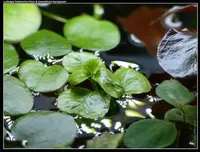
anglestem primrose-willow Care (Ludwigia leptocarpa)

Also known as: anglestem waterprimrose
anglestem primrose-willow

About anglestem primrose-willow

Anglestem primrose-willow (Ludwigia leptocarpa) is a moisture-loving, semi-aquatic perennial often found along pond edges, ditches, and slow-moving streams. It naturally occurs in the southeastern United States and parts of Central and South America, where it forms loose, upright clumps or spreading colonies.

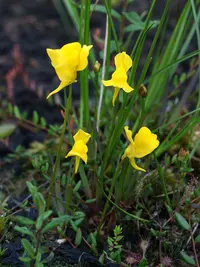
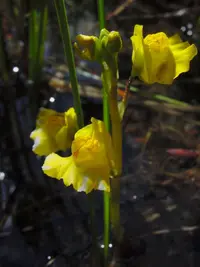
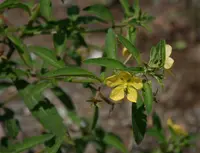
The plant has narrow, lance-shaped leaves and produces yellow, four-petaled flowers that open in warm weather, attracting pollinators. Stems can root at the nodes where they touch wet soil or shallow water, which can make it spread quickly in the right conditions.

It is generally easy to grow if given consistently moist to wet soil and plenty of light. Gardeners who care for anglestem primrose-willow should monitor its spread, especially in warm, lowland climates.

Main Plant Requirements

Care Difficulty

Moderate Care

Light Preference

Full Sun

Water Requirements

Aquatic

Temperature Preference

Warm Climate

Hardiness Zone

8–11

Soil Texture

Loamy, Silty, Organic-rich

Soil pH

Acidic (5.5–6.5), Slightly acidic (6.5–7.0)

Soil Drainage

Waterlogged tolerant

Fertilization

Minimal (feed rarely)

Get Personalized Care Plan

Scan your plant to receive care tips personalized for your specific plant

Available on iOS and Android

How to Care for the anglestem primrose-willow

This species prefers abundant sun to fuel fast, upright growth in wet habitats.

  • Provide 6–8 hours of direct sun daily; strong morning and midday sun promotes dense foliage and flowering in anglestem primrose-willow.
  • Plant in open, unshaded sites; it tolerates light afternoon shade, but stems may elongate and lean toward brighter areas if light is marginal.
  • In cloudy or short-day seasons, avoid additional shading; in very hot summers, protect from reflected heat that can scorch emergent foliage above warm water.

This wetland plant is adapted to consistently saturated conditions rather than fluctuating dry cycles.

  • Aim for soil or shoreline substrate that stays saturated or shallowly submerged; do not allow more than the top 1–2 cm to dry out between natural rain or irrigation.
  • Use slow, deep watering in non-flooded spots so moisture penetrates the root zone without causing erosion or soil compaction.
  • Watch leaves for cues: limp, dull foliage and dry, cracked soil indicate underwatering, while yellowing, soft stems in stagnant, foul-smelling water suggest oxygen-poor, overly inundated conditions.

This species grows best in warm, frost-free conditions typical of subtropical wetlands.

  • Optimal growth occurs around 70–86°F (21–30°C), when stems elongate quickly and rooting is most vigorous along saturated banks or shallow water.
  • It tolerates short dips to about 40°F (4°C), but repeated exposure below this, especially near freezing, can damage shoots and reduce survival.
  • Heat to 95°F (35°C) is usually tolerated if water remains abundant and not overheated; Ludwigia leptocarpa declines in shallow pools that exceed this range for long periods.

This semi-aquatic species tolerates a broad humidity range but grows best in consistently moist air and substrate.

  • Target 50–80% humidity, matching the naturally damp habitats of anglestem primrose-willow.
  • It tolerates brief drier air if roots stay wet, but prolonged indoor air below 40% can slow growth and crisp leaf edges.
  • Increase humidity by grouping plants near water trays or shallow ponds, or by placing containers over pebble trays with water below the pot base.

Ludwigia leptocarpa prefers saturated, oxygen-poor substrates rather than typical potting soil.

  • Use a heavy loam or clay-rich mix with high organic matter, such as garden loam blended with compost and a small amount of sand.
  • Soil should stay waterlogged or very wet, with minimal drainage, mimicking marsh or pond-edge conditions rather than draining beds.
  • A slightly acidic to neutral pH around 6.0–7.2 supports nutrient availability and stable growth in this species.
  • Avoid peat-only, very sandy, or fast-draining container mixes, which dry quickly and prevent the semi-aquatic roots from staying continuously wet.

This species can grow in containers if the setup allows permanently wet or shallowly flooded conditions.

  • Choose a deep, sturdy container or tub that can hold several centimeters of standing water above the soil surface without bowing or leaking.
  • Select non-porous materials such as plastic or glazed ceramic so water levels remain stable and do not wick away through the container walls.
  • Use few or no drainage holes; if present, place the container inside a watertight outer cachepot or tray that keeps the root zone submerged.

This adaptable wetland species usually manages in natural or nutrient-rich soils but benefits from light feeding in controlled plantings of anglestem primrose-willow.

  • Use a balanced liquid fertilizer (for example 10-10-10) at 1/4–1/2 strength during the active growing season.
  • Apply every 4–6 weeks in spring and summer for container or managed pond plantings.
  • Avoid fertilizing in late fall and winter, when growth slows or the plant becomes semi-dormant.
  • Do not apply fertilizer directly onto stems; distribute into the surrounding water or saturated soil.

Ludwigia leptocarpa responds well to thoughtful pruning that controls spread and maintains a manageable shape.

  • Carry out main pruning in late spring to midsummer when growth is active.
  • Remove dead, damaged, or weak stems first, then thin crowded shoots to improve light and water flow.
  • Shorten overly long or leggy stems to encourage bushier, denser growth and more flowering shoots.
  • Use clean, sharp scissors or pruners, cutting just above a node to limit tissue damage and disease entry.

This species is more often transplanted along shorelines or in water gardens than grown as a traditional potted plant.

  • Transplant in spring or early summer when water temperatures are warming and growth is active.
  • Move clumps when plants show slow growth, become overcrowded, or when roots tightly fill baskets or containers.
  • Lift plants gently, keep roots moist, and replant at the same depth into soft, saturated soil or aquatic baskets.
  • Trim lightly damaged roots and shade or keep in calm, shallow water for several days to reduce transplant shock.

Ludwigia leptocarpa is commonly propagated for restoration and water gardens using vegetative cuttings and sometimes seed.

  • Take soft to semi-woody stem cuttings in late spring or summer, 8–12 cm long with several nodes.
  • Insert cuttings into shallow water or saturated soil so lower nodes are submerged, then keep in bright, indirect light.
  • Maintain warm conditions (around 70–80°F) and stable moisture; roots typically form first at submerged nodes.
  • For seed propagation, sow fresh seed on wet substrate, keep constantly moist, and provide warmth and light for germination.

In much of its range this wetland plant is fairly cold tolerant and usually needs minimal winter care in the ground.

  • In mild climates, allow top growth to die back naturally; new shoots emerge from surviving roots in spring.
  • In colder regions, add a 5–8 cm mulch layer over the root zone if soil may freeze deeply.
  • For container plants in zones colder than their hardiness, sink pots below the frost line in ponds or move them to a cool, frost-free space.

Care Tips

Provide sturdy staking

Install bamboo canes or plastic stakes early in the season and loosely tie stems with soft garden ties to prevent lodging and stem breakage in wind or fast-moving water.

Manage water level

In ponds or containers, keep water just above the crown and gradually deepen it by 2–5 cm at a time as stems elongate so roots oxygenate well and do not rot from sudden submersion.

Control spread promptly

Routinely remove stray stems and floating fragments with a net or pruners before they root downstream, and dispose of plant waste in the trash rather than compost to limit invasive spread.

Use marginal containers

Grow plants in wide, heavy-bottomed nursery pots or aquatic baskets filled with loam and sink these at the pond margin, which makes seasonal removal, division, and population control much easier.

Monitor nutrient load

In nutrient-rich ponds, reduce fish feeding and scoop out decaying organic matter regularly to prevent dense, leggy growth and algal blooms while growing anglestem primrose-willow.

Common Pests and Diseases

Aphids

This pest often colonizes young Ludwigia stems and shoot tips, sucking sap and causing curling, distortion, and sticky honeydew that can attract sooty mold. Infestations are especially common on emersed or marginal plants in slow-moving water or wet ditches.

Solution

Rinse colonies off stems and leaves with a firm stream of water or briefly dip emergent portions in clean water away from natural waterways, then discard the rinse water on soil. For recurring problems, introduce or encourage natural predators such as ladybird beetles, or spot-treat dense clusters with insecticidal soap, keeping the product out of ponds and streams.

Leaf spot

This disease produces small brown to dark spots on emersed leaves, sometimes with yellow halos and eventual tissue death, especially on plants in stagnant or nutrient-imbalanced water. Symptoms include premature yellowing and drop of affected foliage, which can thin out stands of the plant.

Solution

Remove and discard affected leaves to reduce inoculum, and avoid overhead splashing that keeps foliage wet for long periods. Improve water movement and plant spacing, and if needed use a labeled fungicide for aquatic or marginal plants, applied carefully to avoid contamination of natural water bodies.

Spider mites

These insects are a problem mainly on Ludwigia kept in very warm, dry conditions or in indoor containers, causing tiny speckling, dull foliage, and fine webbing on stems and undersides of leaves. This pest can weaken emersed growth and stunt new shoots.

Solution

Increase humidity around the plant and gently wash stems and leaves with water, wiping undersides to remove mites and webbing. Repeat water sprays every few days and, if needed, use insecticidal soap or horticultural oil labeled for mite control, avoiding overspray into aquariums or natural streams.

Interesting Facts

Native wetland specialist

This species naturally occurs in wet habitats such as ditches, pond margins, and slow streams across the southeastern United States, where it is adapted to periodic flooding and waterlogged soils.

Emergent growth habit

The plant can root in shallow water or saturated soil, sending upright stems above the surface while lower portions remain submerged or semi-submerged, which helps it compete in variable water levels.

Yellow evening flowers

It bears bright yellow, 4-petaled flowers that typically open during warm daylight to early evening periods, providing nectar and pollen for a range of wetland insects in summer.

FAQs about anglestem primrose-willow

This species spreads readily by seed and stem fragments, especially along shorelines and ditches. In mild, wet climates it can become locally aggressive. Regular thinning and removing spent seed capsules help keep patches contained and easier to manage.

Grow Healthy Plants with Botan Care

Keep your plants happy and healthy with plant identification, disease detection, and easy care guidance.

Botan plant care app — identify plants on mobile

Explore More Plants