Florida yellow bladderwort Care (Utricularia floridana)

Florida yellow bladderwort

About Florida yellow bladderwort

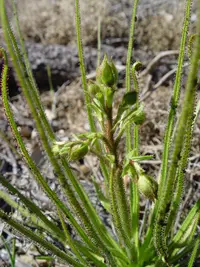
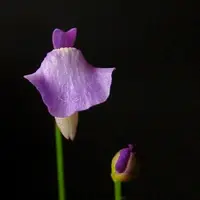
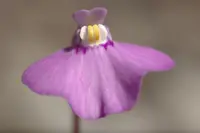
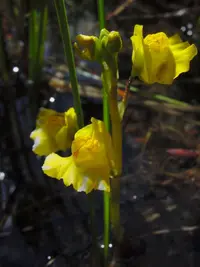
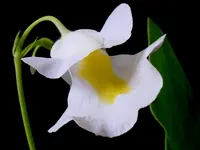
Florida yellow bladderwort, Utricularia floridana, is a semi-aquatic carnivorous plant found in ponds, lakes, and slow-moving waters in the southeastern United States. It forms floating mats of fine, threadlike stems with small yellow flowers held above the water surface.

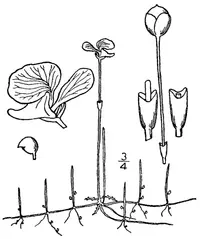
Underwater, it carries tiny bladder traps that capture small aquatic organisms, so it does not need nutrient-rich substrates. This growth habit makes it unusual but also somewhat challenging in cultivation.

Those who want to care for Florida yellow bladderwort should provide clean, low-nutrient water and stable conditions, as it is sensitive to pollution, fertilizers, and disturbance of its delicate stems.

Main Plant Requirements

Care Difficulty

Hard Care

Light Preference

Full Sun

Water Requirements

Aquatic

Temperature Preference

Tropical / Frost Sensitive

Hardiness Zone

8–11

Soil Texture

Sandy, Peaty, Organic-rich

Soil pH

Strongly acidic (4.5–5.5)

Soil Drainage

Waterlogged tolerant

Fertilization

Minimal (feed rarely)

Get Personalized Care Plan

Scan your plant to receive care tips personalized for your specific plant

Available on iOS and Android

How to Care for the Florida yellow bladderwort

This aquatic carnivorous species needs bright, mostly unobstructed light to grow and flower well in shallow water habitats.

  • Aim for 6–8 hours of full sun, with at least 3–4 hours of direct morning sun; light afternoon shade helps prevent overheating in small ponds or tubs.
  • In cooler seasons or northern areas, allow more direct sun to maintain growth, as weak light reduces trapping activity and flowering of Florida yellow bladderwort.
  • If stems elongate, foliage pales, or flowering stops, light is likely too low; leaf scorching or rapid algae growth indicates excessive intense sun and heat.

This species grows submerged in still or slow-moving, nutrient-poor water and does not tolerate drying.

  • Keep plants in consistently full, soft, low-mineral water at 10–30 cm depth; rainwater or reverse-osmosis water is preferred over hard tap water to avoid mineral buildup.
  • Observe foliage and traps: shrinking, browning, or floating fragments often indicate water too shallow, too warm, or enriched with fertilizers or runoff.
  • Utricularia floridana responds poorly to sudden water-level drops; adjust levels gradually and avoid stirring up heavy organic sludge that can deplete oxygen.

This warm-temperate aquatic species prefers mild to warm water and air temperatures without frost exposure.

  • Optimal growth occurs around 70–82°F (21–28°C); stable, moderately warm water supports active trap function and flowering through the growing season.
  • The plant is damaged near 32°F (0°C) and should not be exposed to hard frost; in cooler climates, overwinter in frost-free outdoor water or protected conditions above 40°F (4°C).
  • Short spikes up to 90°F (32°C) are tolerated if water volume is sufficient and shaded during extreme heat, but prolonged hot, shallow water can stress and weaken the population.

This aquatic carnivorous species prefers consistently high humidity around its foliage and water surface.

  • Aim for 70–90% humidity around the tank or tray, using a covered aquarium or terrarium when possible.
  • Low humidity causes browning or crisping of emergent leaves and stalled new growth in Florida yellow bladderwort.
  • Increase humidity by covering part of the container top, grouping aquatic plants, or placing trays in a larger humidity chamber.

This species naturally grows rooted in soft, nutrient-poor, waterlogged substrates rather than typical potting soil.

  • Use a mix of 1:1 unfertilized peat and silica sand, creating a fine, loose, organic-rich base fully submerged or saturated.
  • Keep the substrate permanently waterlogged with low-mineral water; do not allow any part to dry out between top-ups.
  • Target a slightly acidic pH of 5.0–6.0 and avoid tap water with high dissolved minerals, which can damage the traps and roots.
  • Avoid compost, manures, fertilizers, or heavy garden soil, which increase nutrients and compaction and can quickly kill Utricularia floridana.

This species can be grown in containers if they act as stable, shallow aquatic habitats.

  • Choose wide, shallow tubs or bowls so stolons can spread horizontally while remaining fully submerged or saturated.
  • Use opaque or dark-colored containers to limit algal growth and reduce temperature swings in sun-exposed setups.
  • Place the container on a rigid, level surface to prevent sloshing that can uproot delicate shoots during movement or strong vibrations.

This aquatic carnivorous plant gains most nutrients from its prey and usually needs no added fertilizer in cultivation.

Pruning needs for Utricularia floridana are minimal and focus on hygiene rather than shaping.

  • Trim away dead or decaying stems and foliage at any time to maintain water quality and reduce rot.
  • Use clean scissors or aquascaping shears, disinfected with alcohol, to avoid introducing pathogens.
  • Remove congested floating mats during the growing season to keep light penetration and water circulation adequate.

This species is usually grown in ponds or large aquatic tubs, so transplanting focuses on thinning and relocating mats rather than classic repotting.

  • Transplant when growth becomes very dense, water flow is restricted, or plants shade each other heavily.
  • Best timing is late spring to early summer, once active growth is strong and water temperatures have stabilized.
  • Gently lift and separate sections of the plant, keeping trap-bearing stems submerged and handling roots as little as possible.
  • Reintroduce divisions into similar low-nutrient, shallow water to limit shock and maintain stable conditions.

Utricularia floridana is most often propagated by division of existing mats rather than from seed.

  • Divide during late spring or summer when growth is vigorous and water temperatures are warm.
  • Gently separate healthy, trap-bearing strands from the main colony, avoiding crushing the fine stems.
  • Place sections into low-nutrient, shallow water with full to bright indirect light for best establishment.
  • Avoid strong water movement and sudden temperature shifts while new pieces anchor and resume active growth.

In mild climates, this aquatic species can remain outdoors with only modest winter management.

  • It is sensitive to hard freezes; in areas below about 25–30°F, overwinter container-grown colonies in a cool, frost-free space.
  • For ponds, maintain at least part of the colony in deeper, unfrozen water where temperatures are more stable.
  • Reduce disturbance and feeding pressure in winter, allowing a natural slowdown in growth until conditions warm.

Care Tips

Shallow Water Management

Maintain the plant in a wide, shallow container of rainwater or distilled water 5–15 cm deep and periodically siphon off surface films or algae to keep the water clear and oxygenated for healthy growth.

Floating Vegetation Control

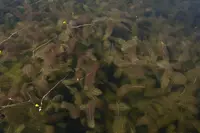
Remove or thin out duckweed, filamentous algae, or other fast-growing floaters every 1–2 weeks so they do not shade the delicate shoots and flowers or restrict water movement.

Gentle Aeration Setup

Use a small air stone on a very low setting at one side of the tub to provide mild water movement, which helps prevent stagnation and mosquito larvae without physically damaging the fine stems.

Seasonal Dormancy Handling

In cooler regions, overwinter the plant in an unheated but frost-free space at 45–60°F with reduced light, then gradually increase light and temperature in spring to restart active growth without shock.

Clean Propagation Harvest

When growing Florida yellow bladderwort in containers, harvest small, healthy shoot fragments with intact bladders using fine scissors and move them to fresh, nutrient-poor water to quickly establish backup colonies.

Common Pests and Diseases

Algal overgrowth

This condition occurs when free‑floating and filamentous algae rapidly colonize the water surface and stems, shading the plant and reducing photosynthesis. Symptoms include yellowing, weak growth, and U. floridana strands trapped in dense green mats.

Solution

Reduce nutrient load by limiting fertilizer and fish waste, increase water circulation, and manually remove algae mats with a fine net or soft brush. In larger ponds, partial shading and periodic water changes help stabilize conditions without harming the plant’s delicate bladders.

Aquatic snails

These pests graze on soft shoots and floral structures, leaving ragged or missing segments and sometimes stripping entire strands. This pest often thrives in nutrient‑rich, still water where it can reproduce quickly.

Solution

Hand‑remove snails regularly, use snail traps (such as vegetable baits lifted out after dark), and avoid transferring snails on aquatic plants or decor. In suitable outdoor ponds, encouraging natural snail predators such as certain fish species can help while still keeping water movement gentle for Utricularia floridana plant care.

Aquatic aphids

These insects colonize emergent or floating portions of the stems and flower stalks, sucking sap and causing distortion, yellowing, and sticky honeydew. This pest is more frequent in warm, still margins of ponds and containers.

Solution

Rinse colonies off with a gentle stream of clean water or dip affected sections briefly in fresh water away from the main pond, then return the plant. For persistent problems, introduce natural predators such as lady beetles in outdoor setups or use a very dilute insecticidal soap rinse, keeping soap out of the main water body as much as possible.

Water mold

This disease is caused by oomycetes that colonize damaged or senescing tissue, leading to soft, slimy, grayish patches on stems and traps. Symptoms include rapid tissue breakdown, foul odor, and disintegration of affected strands, especially in warm, stagnant, organic‑rich water.

Solution

Remove and discard all decaying or mold‑covered plant material and improve water movement and oxygenation. Reduce organic debris, avoid overstocking fish, and perform partial water changes; in small controlled containers, rinsing remaining healthy material in clean, cool water helps slow further spread.

Cyanobacterial mats

These microorganisms, often called blue‑green algae, form slimy, dark green to bluish sheets that coat stems and traps, blocking light and gas exchange. Symptoms include trapped, weakened strands and a musty or earthy smell from the water surface or substrate.

Solution

Manually siphon or lift off mats, then lower dissolved nutrients by reducing feeding, cleaning detritus, and performing partial water changes. Increasing gentle circulation, providing partial shade, and avoiding sudden large nutrient inputs (such as rich soil or manure‑based fertilizers) help prevent re‑establishment.

Interesting Facts

Largest North American bladderwort

This species forms some of the largest free-floating mats among North American bladderworts, often dominating the surface of quiet lakes, ponds, and sloughs in the southeastern United States.

Highly localized distribution

It is native mainly to the Florida peninsula and a few nearby coastal plain areas, occurring in relatively specialized habitats such as soft, nutrient-poor, tannin-stained waters.

Hidden underwater traps

Its true leaves are finely divided and entirely submerged, bearing tiny bladder-like traps that capture small aquatic invertebrates to supplement nutrients in otherwise poor waters, a key aspect of Utricularia floridana plant care in cultivation.

Botan icon

Did you know?

In dense, favorable conditions, this species can form thick, free-floating rafts that are substantial enough to alter light penetration and local water temperature, subtly reshaping the microhabitat for fish, invertebrates, and algae beneath it.

FAQs about Florida yellow bladderwort

In suitable shallow, nutrient-poor water, this species can spread quickly by forming floating mats and stolons. In small ponds it may dominate space, so regular thinning and physical removal help keep growth in check.

Grow Healthy Plants with Botan Care

Keep your plants happy and healthy with plant identification, disease detection, and easy care guidance.

Botan plant care app — identify plants on mobile

Explore More Plants