Shallow Water Trays
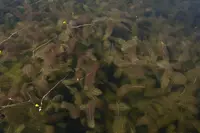
Use wide, shallow trays or tubs with 2–5 cm of soft, low-mineral water so the stolons and bladders can spread horizontally without being submerged too deeply, which improves both growth and prey capture.

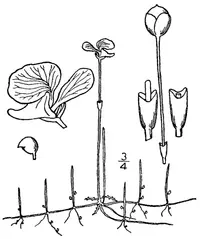
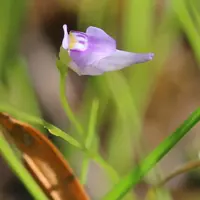
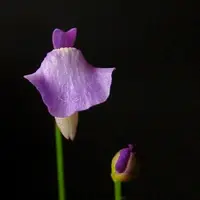
Lavender bladderwort (Utricularia resupinata) is a small, aquatic carnivorous plant that forms low, mat-like growth in shallow water or wet, sandy shorelines. It produces delicate purple to lavender flowers held above the water surface on thin stems.
This species is native to North America, especially cool, nutrient-poor lakes and ponds, where it captures tiny aquatic organisms using underwater bladder traps. It can be challenging to keep in cultivation because it needs consistently clean, low-nutrient water and stable moisture.
Those who care for lavender bladderwort should provide bright light, soft water, and a mineral-poor, sandy or peaty environment that mimics its natural habitat.

Care Difficulty
Hard Care

Light Preference
Full Sun

Water Requirements
Aquatic

Temperature Preference
Cool Climate

Hardiness Zone
3–8

Soil Texture
Sandy, Silty, Organic-rich

Soil pH
Strongly acidic (4.5–5.5)

Soil Drainage
Waterlogged tolerant

Fertilization
Minimal (feed rarely)
Scan your plant to receive care tips personalized for your specific plant
Available on iOS and Android
This aquatic carnivorous plant needs strong light to flower and form dense mats.
This species evolved in shallow, nutrient-poor wetlands and requires consistently saturated conditions.
This aquatic bladderwort prefers mild to warm conditions with a cool, but not severe, winter period.
This species needs high humidity to thrive and form dense growth.
This carnivorous aquatic-bog species prefers very soft, acidic, nutrient-poor substrates.
This species can be grown in containers if the setup mimics a shallow, stable bog or pond edge.
This aquatic carnivorous species gains most nutrients from prey, so lavender bladderwort care uses minimal fertilization.
Pruning Utricularia resupinata is mainly hygienic and helps maintain open, healthy growth mats.
This species is usually managed by resetting or transplanting mats rather than traditional repotting.
Propagation of this aquatic bladderwort relies mainly on vegetative spread, which is predictable under stable conditions.
This species comes from temperate climates and often forms dormant structures, but container plants benefit from controlled winter conditions.

Plant Health Check
Not sure what's wrong with your plant? Check your plant's health inside the app.
This species is tightly associated with gently sloping, sandy or silty lake and pond shores in the northeastern United States and adjacent Canada, often forming low mats right at the shifting waterline where few other flowering plants can persist.
It produces microscopic bladder traps on threadlike underwater leaves that capture small aquatic invertebrates, providing extra nutrients in the nutrient-poor, oligotrophic waters it typically inhabits.
Its lavender to pale purple flowers appear twisted so that what is botanically the upper lip faces downward, a resupinate orientation that gives the species its name and influences how visiting insects contact the reproductive parts.

Utricularia resupinata is considered regionally rare or threatened in several parts of its native range, and its presence is often used by botanists as an indicator of relatively undisturbed, high-quality softwater lakeshores.
This species performs best outdoors in shallow, nutrient-poor, consistently wet conditions that mimic natural shorelines. Lavender bladderwort indoor care is possible only in specialized bog aquariums or terraria with strong light, stable moisture, and cool to mild temperatures.
Keep your plants happy and healthy with plant identification, disease detection, and easy care guidance.