


Control Water Depth
Maintain plants in baskets or mesh pots so their buoyant shoots sit in 10–40 cm of water, which makes it easier to thin, move, or overwinter them without disturbing the entire pond or container.

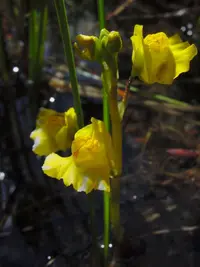
Common bladderwort (Utricularia macrorhiza) is a free-floating aquatic carnivorous plant found in ponds, lakes, and slow-moving waters across cooler regions of North America. It lacks true roots and forms long, branching stems with finely divided, feathery leaf segments. Small bladder-like traps along the leaves capture tiny aquatic animals, supplying nutrients in the nutrient-poor waters it inhabits. Yellow snapdragon-like flowers rise above the water surface on slender stalks in the growing season. For those who want to learn how to care for Common bladderwort, its main challenges are providing clean, still water and avoiding competition from aggressive algae or larger aquatic plants.

Care Difficulty
Hard Care

Light Preference
Full Sun

Water Requirements
Aquatic

Temperature Preference
Cold Hardy

Hardiness Zone
3–9

Soil Texture
Peaty, Organic-rich, Silty

Soil pH
Acidic (5.5–6.5)

Soil Drainage
Waterlogged tolerant

Fertilization
Minimal (feed rarely)
Scan your plant to receive care tips personalized for your specific plant
Available on iOS and Android
This aquatic carnivorous plant prefers bright, long days to fuel growth and trap activity.
Utricularia macrorhiza is an aquatic species that must stay submerged or floating in clean, low-nutrient water.
Stable, cool to warm conditions support strong seasonal growth and dormancy in this temperate aquatic carnivore.
This aquatic carnivorous plant is adapted to high ambient humidity but relies primarily on standing or slow-moving water around its tissues.
Utricularia macrorhiza grows best in very low-nutrient, soft, organic substrates rather than conventional potting soil.
This species suits container culture when grown as an aquatic or bog-style plant rather than in standard pots.
This aquatic carnivorous plant captures prey for nutrients and usually needs no supplemental fertilizer in home culture.
Pruning Utricularia macrorhiza is mainly hygienic, helping maintain healthy growth and good water quality.
This species is usually grown free-floating, so transplanting focuses on managing spread rather than frequent repotting.
Propagation of this species is commonly done vegetatively, taking advantage of its freely branching, floating stems.
In temperate climates this aquatic plant is cold hardy, forming overwintering buds and needing minimal intervention.

Plant Health Check
Not sure what's wrong with your plant? Check your plant's health inside the app.
This species uses underwater bladder traps that can suck in tiny prey such as zooplankton in less than a millisecond, making it one of the fastest known movements in the plant kingdom.
In cold climates, it forms dense, bud-like turions that sink to the bottom and overwinter, then rise and resume growth when water warms in spring.
The plant has no true roots and instead floats freely in the water column of ponds and lakes, absorbing nutrients directly through its leaves and stems in nutrient-poor habitats.

Large colonies of this species can significantly reduce mosquito larvae in small water bodies, because the traps capture and digest many early-stage mosquito larvae along with other tiny aquatic animals.
This species can spread rapidly in nutrient-rich, still or slow-moving water. It forms dense floating mats that may crowd other aquatic plants. Regular thinning and physical removal help keep growth in balance in smaller ponds.
Keep your plants happy and healthy with plant identification, disease detection, and easy care guidance.

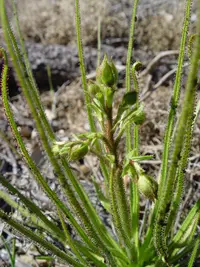
Portuguese sundew
Drosophyllum lusitanicum
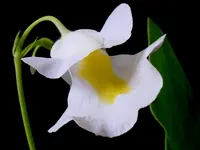
Utricularia alpina
Utricularia alpina

prickly seaweed
Acanthophora spicifera
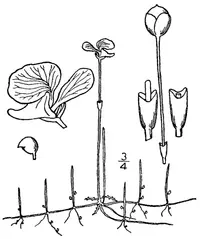
lavender bladderwort
Utricularia resupinata
Florida yellow bladderwort
Utricularia floridana
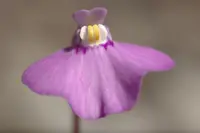
Utricularia uniflora
Utricularia uniflora
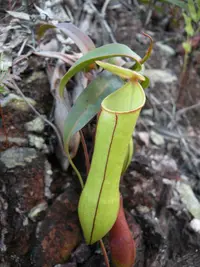
slender pitcher plant
Nepenthes × neglecta
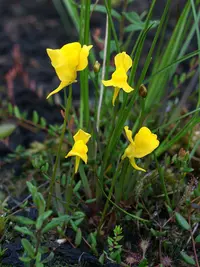
horned bladderwort
Utricularia cornuta