Control Surface Spread
Periodically thin and scoop out excess plants so they cover no more than 30–50% of the water surface, which maintains gas exchange and light for submerged species while keeping the mat dense and healthy.

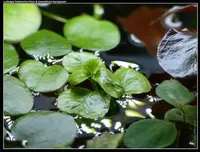
Floating Ludwigia (Ludwigia helminthorrhiza) is a free-floating aquatic plant commonly used in aquariums, ponds, and outdoor water gardens. It stays at the water surface, forming rosettes of rounded, fleshy leaves with spongy, white root-like structures that help it float.
In nature, it occurs in slow-moving or still freshwater across tropical and subtropical regions of the Americas. It spreads quickly under stable conditions, which makes it attractive for beginners but requires regular thinning.
This species prefers calm, nutrient-rich water, good light, and gentle water movement. Understanding how to care for Floating Ludwigia mainly involves managing light levels and growth spread so it does not shade other plants.

Care Difficulty
Moderate Care

Light Preference
Full Sun

Water Requirements
Aquatic

Temperature Preference
Tropical / Frost Sensitive

Hardiness Zone
10–12

Soil Texture
Loamy, Silty, Organic-rich

Soil pH
Acidic (5.5–6.5), Slightly acidic (6.5–7.0)

Soil Drainage
Waterlogged tolerant

Fertilization
Moderate (every 2–4 weeks)
Scan your plant to receive care tips personalized for your specific plant
Available on iOS and Android
This floating aquatic species needs bright, stable light to maintain compact growth and strong coloration.
This species is a true floater and relies on consistently high water levels rather than soil moisture.
This tropical floating plant prefers warm conditions and reacts quickly to cold stress.
This floating aquatic species needs consistently high humidity to avoid leaf damage and growth slowdown.
Ludwigia helminthorrhiza does not need traditional soil, but benefits from nutrient-rich substrate beneath the water where roots can reach it.
This species grows well in containers such as aquariums, tubs, and patio water gardens.
Ludwigia helminthorrhiza responds well to moderate feeding in warm, bright conditions.
Pruning keeps Ludwigia helminthorrhiza dense, attractive, and within bounds.
This species is usually grown free-floating, so transplanting focuses on repositioning and thinning rather than true repotting.
Ludwigia helminthorrhiza is commonly propagated vegetatively in aquaria and ponds.
This tropical aquatic plant is frost-sensitive and needs protection in regions with cold winters.

Plant Health Check
Not sure what's wrong with your plant? Check your plant's health inside the app.
This species forms circular leaf rosettes that float on the surface while its stems trail beneath, creating dense mats that can shade and cool the water below.
Its thick, white, spongy roots contain air-filled tissue that increases buoyancy and keeps the plant at the water surface, an adaptation typical for some aquatic species in slow-moving habitats.
The plant is native to still and slow-flowing waters in tropical Central and South America, where it grows in ponds, oxbow lakes, and quiet river margins with warm, nutrient-rich water.

In its native habitats, this species often colonizes the sheltered edges of water bodies first, then expands into open water, where its floating leaf mats provide shelter for fish fry and aquatic invertebrates, subtly reshaping local microhabitats.
Yellowing usually comes from nutrient deficiencies, especially nitrogen or iron, or from unstable water conditions. Test and correct water parameters, provide a balanced aquatic fertilizer, and avoid sudden changes in temperature, hardness, or pH.
Keep your plants happy and healthy with plant identification, disease detection, and easy care guidance.