


Manage Water Depth
In pond or container culture, keep the crown just below the water surface (0–5 cm) and raise or lower the water level gradually over 3–5 days when adjusting depth to avoid shock to the root system.

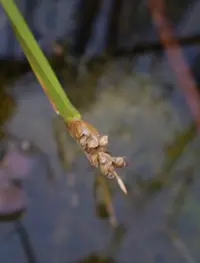
Acute spikerush, Eleocharis acutangula, is a small aquatic sedge often found along the edges of ponds, marshes, and slow-moving waterways. It forms dense clumps of upright, needle-like green stems with very reduced leaves. This species is native to tropical and subtropical regions of Asia and can spread to create low, grass-like mats in shallow water or very wet soil. Its compact, tufting growth and tolerance of standing water make it useful for naturalistic ponds, aquascapes, and water gardens. It is generally easy to grow where moisture is constant, but it declines quickly if the substrate dries out. Those who want to know how to care for acute spikerush should focus on stable water levels, ample light, and nutrient-rich, muddy or sandy substrates.

Care Difficulty
Moderate Care

Light Preference
Full Sun

Water Requirements
Aquatic

Temperature Preference
Tropical / Frost Sensitive

Hardiness Zone
10–12

Soil Texture
Loamy, Silty, Organic-rich

Soil pH
Acidic (5.5–6.5), Slightly acidic (6.5–7.0)

Soil Drainage
Waterlogged tolerant

Fertilization
Minimal (feed rarely)
Scan your plant to receive care tips personalized for your specific plant
Available on iOS and Android
This wetland species needs abundant light to support dense, upright growth.
This semi-aquatic sedge is adapted to saturated conditions rather than fluctuating dry soil.
This species favors warm, frost-free conditions typical of lowland tropical and subtropical wetlands.
This wetland sedge needs constant high humidity to thrive in cultivation.
This species prefers permanently wet, fine-textured, organic-rich soil that mimics shallow marsh conditions.
This wetland species adapts well to containers when they are managed as mini-bog or shallow aquatic setups.
This wetland sedge has modest nutrient needs, so use light, controlled feeding to support steady growth without polluting the water.
Pruning Eleocharis acutangula is mainly corrective, keeping clumps tidy and preventing decaying material from fouling the water.
This aquatic species is often grown in ponds or containers, so transplanting and occasional division keep clumps healthy and controllable.
This species is commonly propagated by division, which maintains identical plants and stable clump structure.
This warm-climate aquatic sedge is not reliably frost hardy and benefits from some attention in cooler regions.

Plant Health Check
Not sure what's wrong with your plant? Check your plant's health inside the app.
This species forms sharply triangular to narrowly cylindrical culms that stay photosynthetically active even when partially submerged, allowing the plant to keep growing through seasonal flooding in rice paddies and wetlands.
It commonly colonizes margins and shallow zones of Asian rice fields, where its dense clumps stabilize soft soil and help trap fine sediment, influencing water flow and microhabitats for invertebrates.
The plant expands mainly through short, creeping rhizomes that form tight tussocks, a growth pattern that helps it resist water movement and maintain position in saturated or periodically inundated substrates.
This sedge forms dense clumps and can spread steadily by short rhizomes in shallow, wet substrates. In small ponds or wet beds, use containers or edging if you want to limit its spread and keep planting areas defined.
Keep your plants happy and healthy with plant identification, disease detection, and easy care guidance.

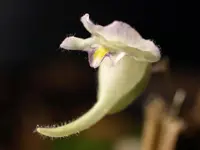
Utricularia jamesoniana
Utricularia jamesoniana
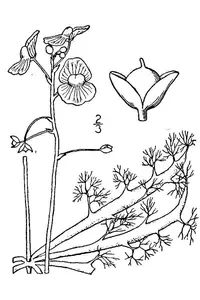
swollen bladderwort
Utricularia inflata

turkey tangle fogfruit
Phyla nodiflora
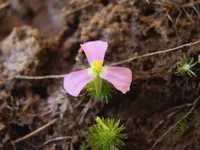
Stream bogmoss
Mayaca fluviatilis
Texas Star hibiscus
Hibiscus coccineus
Canada spikesedge
Eleocharis geniculata

hiddenfruit bladderwort
Utricularia geminiscapa
English Scurvygrass
Cochlearia anglica