Controlled water depth
In shallow water culture, keep the water only 2–5 cm above the substrate surface and top up frequently so the crown is not submerged for long periods, which helps prevent rot and encourages dense tufted growth.

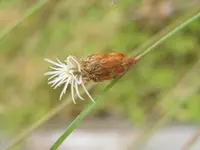
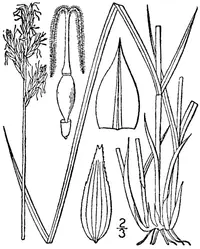
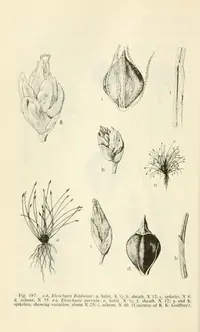
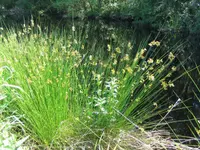
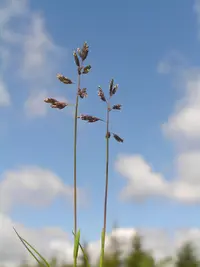
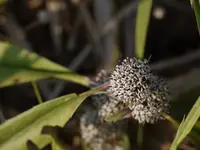
Canada spikesedge (Eleocharis geniculata) is a small, fine-textured sedge in the sedge family, often used as a foreground or edging plant in wet areas. It forms dense, tufted clumps of bright green, hairlike stems that create a soft, grass-like carpet.
This species is native to wetlands and seasonally flooded habitats in the Americas and many warm regions worldwide. It naturally favors shallow water, muddy shorelines, and consistently damp soils.
Its need for steady moisture is the main factor that can make it slightly more demanding than average houseplants or border plants. For those wanting to learn how to care for Canada spikesedge, it generally prefers bright light, wet to saturated soil, and nutrient-rich, muck-like substrates.

Care Difficulty
Moderate Care

Light Preference
Full Sun

Water Requirements
Aquatic

Temperature Preference
Tropical / Frost Sensitive

Hardiness Zone
8–11

Soil Texture
Sandy, Loamy, Organic-rich

Soil pH
Acidic (5.5–6.5), Slightly acidic (6.5–7.0)

Soil Drainage
Waterlogged tolerant

Fertilization
Minimal (feed rarely)
Scan your plant to receive care tips personalized for your specific plant
Available on iOS and Android
This species prefers bright, open conditions that mimic sunny, wet shorelines.
This wetland sedge prefers consistently saturated conditions rather than fluctuating wet and dry cycles.
This warm-climate sedge grows best in mild to hot conditions and is sensitive to frost.
This wetland sedge prefers very humid air and suffers quickly in dry indoor conditions.
This species thrives in constantly wet to flooded, fine-textured, organic-rich substrates.
This sedge adapts well to container culture, especially in trays or pond baskets kept saturated.
This wetland sedge needs only light feeding, especially when grown in containers as Canada spikesedge.
Pruning Eleocharis geniculata is mainly cosmetic and helps keep clumps tidy and healthy.
This small sedge is often transplanted in wet garden areas or moved between shallow aquatic containers.
Eleocharis geniculata is most commonly propagated by division, with seed used when establishing larger plantings.
In mild climates this sedge usually needs little winter attention, but it is not tolerant of hard freezes.

Plant Health Check
Not sure what's wrong with your plant? Check your plant's health inside the app.
This species often grows in both shallow standing water and on wet mud, forming dense, low mats that tolerate repeated flooding and drying in seasonal wetlands and rice fields.
It is a common component of paddy weed flora across tropical and subtropical regions, exploiting disturbed, waterlogged soils and shallow water where few other sedges complete their life cycle as quickly.
Mature plants frequently develop kinked or bent nodes near the base of their stems, a distinctive jointed appearance that contributes to the species name geniculata, meaning knee-like or bent.

In many rice-producing regions, this small sedge is used as an indicator of prolonged shallow flooding and compacted, nutrient-poor soils, helping agronomists and ecologists infer field hydrology and management history from the vegetation present.
This species spreads through short rhizomes and self-seeding in consistently wet sites. In garden ponds or wet beds it can form dense patches over time, but it is usually manageable with periodic thinning and removal of extra clumps.
Keep your plants happy and healthy with plant identification, disease detection, and easy care guidance.