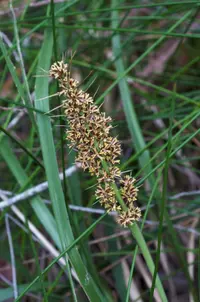
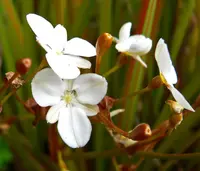
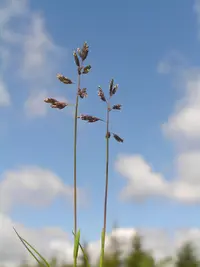
supine bluegrass Care (Poa supina)

supine bluegrass

About supine bluegrass

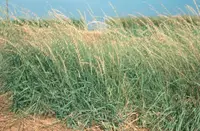
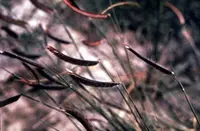
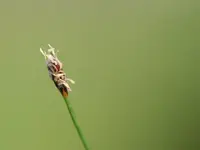
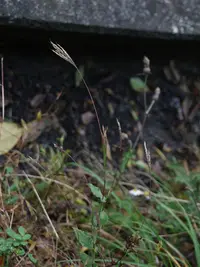
Supine bluegrass (Poa supina) is a cool-season perennial turf grass valued for its ability to tolerate heavy foot traffic and recover quickly from wear. It forms a dense, fine-textured mat that spreads by stolons, creating a low, even surface.

This species is native to central and northern Europe but is now used in high-use lawns, sports fields, and shaded turf areas in similar temperate climates. It prefers cool conditions, consistent moisture, and fertile, well-drained soil, which can make care for supine bluegrass more demanding in warmer or drought-prone regions.

P. supina is often chosen for difficult, shady, or intensively used sites where many other turf grasses struggle to persist.

Main Plant Requirements

Care Difficulty

Moderate Care

Light Preference

Partial Shade

Water Requirements

Regular Water

Temperature Preference

Cool Climate

Hardiness Zone

3–7

Soil Texture

Loamy, Silty, Organic-rich

Soil pH

Acidic (5.5–6.5), Slightly acidic (6.5–7.0)

Soil Drainage

Moist but well-drained

Fertilization

Moderate (every 2–4 weeks)

Get Personalized Care Plan

Scan your plant to receive care tips personalized for your specific plant

Available on iOS and Android

How to Care for the supine bluegrass

This cool-season turf grass prefers bright, gentle light rather than intense midday sun.

  • Provide 3–6 hours of sun daily, ideally morning sun with light afternoon shade; supine bluegrass thrives in dappled or filtered light under open trees.
  • Tolerates high shade better than most turf, but in very dense shade blades become thin, pale, and patchy over time.
  • Avoid strong, direct afternoon sun in hot summers, which can scorch leaves and dry the shallow root zone quickly.

This grass prefers consistently moist, well-drained soil and is less tolerant of drying out than many turf species.

  • Aim for soil that stays slightly moist; let only the top 1–2 cm dry before the next deep watering, using a finger or soil probe to check.
  • In spring and fall, Poa supina may need watering 2–3 times per week during dry spells; reduce frequency in cool, rainy periods.
  • Signs of underwatering include wilting and bluish leaf tips, while overwatering shows as mushy roots, yellowing patches, and a sour soil smell.

This cool-season grass prefers mild temperatures and struggles in prolonged heat.

  • Optimal growth occurs around 60–75°F (16–24°C), with best recovery and spreading in cool, moist seasons such as spring and fall.
  • Tolerates cold to about 14–23°F (-10 to -5°C) once established, but rapid freeze–thaw cycles can heave shallow roots and thin the turf.
  • Heat above 82–86°F (28–30°C), especially combined with full sun and drought, leads to stress, thinning, and higher risk of disease.

Poa supina prefers cool, moderately humid conditions but usually adapts to typical outdoor humidity.

  • Aim for 40–60% humidity in cooler climates; prolonged hot, very dry air weakens turf density.
  • Watch for leaf tip browning and thinning patches in full sun as signs of low humidity stress combined with heat.
  • Increase effective humidity by maintaining slightly higher mowing height and avoiding strong, drying winds where possible.

Poa supina performs best in moist, aerated, loamy soil with steady drainage.

  • Use a loam-based soil high in organic matter, such as a mix of native topsoil with 20–30% compost for structure and nutrient retention.
  • Ensure drainage by avoiding heavy, compacted clay; incorporate coarse sand or fine grit if water lingers on the surface after rain or irrigation.
  • Target a soil pH of 6.0–7.0; correct strong acidity with lime or excessive alkalinity with elemental sulfur, based on soil test results.
  • Reduce compaction and improve aeration by periodic core aeration and by keeping foot traffic low while the lawn establishes.

This species is not ideal for long-term container growing but can be used in pots for short-term turf patches or trials.

  • Choose a wide, shallow container that lets the creeping stems spread while roots stay in the upper, cooler zone.
  • Use a heavy or stabilized pot so the horizontal growth does not cause the container to tip on slopes or exposed sites.
  • Water more frequently than in-ground areas, since container soil warms and dries faster, especially in full sun.

Poa supina benefits from modest, consistent feeding during active growth to maintain dense, wear-tolerant turf.

  • Apply a balanced slow-release NPK lawn fertilizer at half label strength every 6–8 weeks during spring and fall growth.
  • Use a light topdressing of fine compost once per year to improve soil structure and microbial activity.
  • Skip or greatly reduce feeding in winter dormancy to avoid weak, lush growth and nutrient leaching.
  • Water in fertilizer thoroughly after application to move nutrients into the root zone and prevent leaf burn.

Poa supina responds best to controlled mowing rather than detailed hand pruning to maintain a dense, resilient surface.

  • Mow during active growth in spring and fall, keeping height around 3–5 cm to encourage tillering and ground coverage.
  • Remove damaged, diseased, or heavily compacted patches with a sharp knife or edging tool, then overseed or plug bare spots.
  • Avoid scalping; never remove more than one-third of the leaf height at a single mowing to reduce stress.
  • Collect heavy clippings only when thatch builds up; leave light clippings to recycle nutrients in healthy turf.

This grass is usually grown as turf, so focus on careful transplanting of sod or plugs rather than container repotting.

  • Plan transplanting of Poa supina for cool, moist periods in early fall or early spring to reduce heat stress.
  • Transplant when turf thins, growth slows despite good care, or roots form dense mats that limit water penetration.
  • Cut sod or plugs with a sharp spade, keep root pieces 5–8 cm deep, and replant into loosened, well-watered soil.
  • Firm soil gently around roots, water thoroughly, then keep evenly moist for 2–3 weeks to support establishment and limit shock.

New Poa supina turf is most often established through seed or vegetative pieces such as plugs and small sod sections.

  • Sow seed in early fall or early spring onto fine, firm soil, then lightly rake and press for good seed-to-soil contact.
  • Maintain consistent moisture and 50–70°F soil temperatures for even germination and early root development.
  • For division, cut healthy patches into small plugs with intact roots, then replant at 10–15 cm spacing in prepared soil.
  • Reduce traffic and keep the area evenly moist until new growth thickens and roots anchor firmly.

This cool-season grass is fairly cold hardy but benefits from basic winter care to maintain turf quality in cold regions.

  • Poa supina tolerates frost and snow cover but can thin under prolonged ice or heavy compaction.
  • Apply a light mulch of shredded leaves around edges or thin spots in late fall to moderate soil temperature.
  • Limit foot traffic on frozen or waterlogged turf to reduce crown damage and winterkill.
  • For containers, move plants to a sheltered, unheated but frost-moderated spot and avoid waterlogged soil.

Care Tips

Traffic protection

Use temporary fencing or stepping stones to keep heavy foot traffic off young or recently overseeded areas, since compaction and shear damage quickly thin supine bluegrass before it has fully rooted.

Shaded overseeding

When rejuvenating worn shade patches, lightly scarify the surface with a rake, topdress with 0.5–1 cm of fine compost or sand, then overseed and keep the top layer consistently moist to help seedlings compete with moss and tree roots.

Snow and ice management

Avoid piling shoveled snow or ice melt products on the turf, and use calcium or magnesium-based de-icers rather than rock salt to reduce winter burn and crown damage.

Targeted aeration

In compacted or high-wear spots, perform core aeration in early spring or early fall and brush the removed cores or sand back into the holes to improve oxygen penetration and root density where it is needed most when growing supine bluegrass.

Disease monitoring routine

During cool, wet periods, walk the lawn weekly to look for small, irregular patches of yellowing or grayish foliage and flag these areas early so a local turf professional can confirm disease and choose an appropriate fungicide or cultural adjustment before damage spreads.

Common Pests and Diseases

Snow mold

This disease often appears after long snow cover on dense, moist turf, especially in shaded or heavily trafficked areas. Symptoms include matted, water-soaked patches with grayish-white or pinkish fungal growth as snow melts.

Solution

Limit late-season nitrogen, avoid heavy thatch and excessive mowing height going into winter, and improve drainage. In high-risk sites, reduce snow compaction, rake out matted areas promptly in spring, and use a labeled fungicide preventively if snow mold has been severe in previous years.

Leaf spot

This disease causes small, purplish to brown spots on leaves that can enlarge and merge, leading to thinning patches in stressed turf. Symptoms include more severe damage in humid, shaded areas with poor air movement.

Solution

Reduce leaf wetness by watering early in the day, increase mowing height slightly, and collect heavy clippings to improve air circulation in the canopy. Where damage is recurrent, overseed thinned spots, balance fertilization to avoid stress, and apply an appropriate turf fungicide according to local recommendations.

Dollar spot

This disease produces small, straw-colored patches in the turf that may coalesce into larger irregular areas, particularly under low nitrogen and dry conditions. Symptoms include bleached leaf blades with distinct lesions and fine mycelium visible in the early morning.

Solution

Maintain moderate, balanced fertility, especially nitrogen, and avoid letting the turf stay excessively dry for long periods. Improve air circulation, reduce thatch, and where needed, rotate labeled fungicides to limit resistance, focusing treatments on historically affected zones when caring for supine bluegrass.

Red thread

This disease creates irregular pink to reddish patches with slimy, threadlike fungal structures at leaf tips, especially on low-fertility turf in cool, wet weather. Symptoms include slow, cosmetic thinning rather than deep turf kill, but recovery can be delayed on heavily stressed areas.

Solution

Increase nitrogen slightly within recommended turf limits, mow regularly to remove infected leaf tips, and collect clippings in heavily affected areas. Improve drainage and reduce shade where possible; fungicides are usually reserved for persistent or high-value turf where cultural measures are not sufficient.

Summer patch

This disease attacks roots and crowns during warm weather, leading to circular or ring-shaped patches of wilted, thinning grass that may turn tan and die. Symptoms include worst damage on compacted, drought-stressed, or poorly drained sites during hot periods.

Solution

Core-aerate to relieve compaction, maintain deep but infrequent irrigation, and avoid excessive nitrogen in late spring and early summer. On sites with a history of summer patch, apply systemic fungicides preventively in late spring when soil temperatures rise, targeting the root zone and repeating according to label directions.

Interesting Facts

Shade-tolerant turf species

This grass species is unusual among cool-season lawn grasses because it maintains dense, vigorous growth and strong color even in very low light, such as under heavy tree shade.

High wear recovery

It forms a very dense, stoloniferous turf, meaning it spreads with above-ground stems, which allows damaged areas to fill in quickly on intensively used surfaces like sports fields and playgrounds.

Native alpine origin

Poa supina is naturally distributed in cool, moist, often mountainous regions of central and southern Europe, which explains its preference for cool temperatures, high moisture, and partial shade in cultivation.

Botan icon

Did you know?

In modern turf breeding and sports turf management, Poa supina is often used in mixtures specifically designed for extremely shaded and high-traffic areas, such as heavily used goalmouths in soccer stadiums, where many other grass species fail to persist.

FAQs about supine bluegrass

This grass stays green and photosynthetically active through much of the year in cool, moist climates. In hot or very dry conditions it can thin or partially brown, but typically regreens quickly when temperatures and moisture improve.

Grow Healthy Plants with Botan Care

Keep your plants happy and healthy with plant identification, disease detection, and easy care guidance.

Botan plant care app — identify plants on mobile

Explore More Plants