blue grama Care (Bouteloua gracilis)

Also known as: Mosquito Grass
blue grama

About blue grama

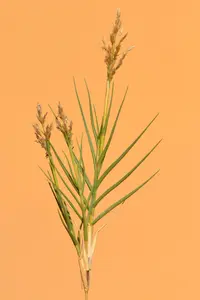
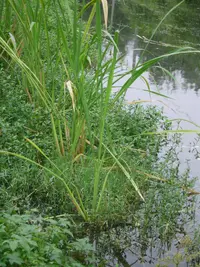
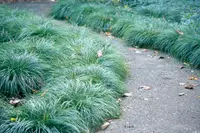
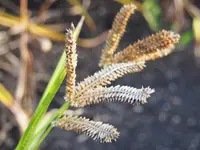
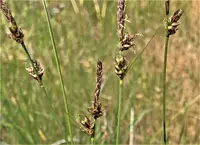
Blue grama (Bouteloua gracilis) is a warm-season perennial bunchgrass native to the prairies and plains of North America. It forms small clumps with fine, narrow leaves and distinctive eyebrow-shaped seed heads held on slender stems.

This grass typically stays low and tidy, which suits informal lawns, meadows, and erosion-control plantings. It is a dominant species in many shortgrass prairie ecosystems, valued for its durability and strong root system.

Blue grama is adapted to full sun, low to moderate moisture, and well-drained soils, including poor or sandy ground. These drought-tolerant traits make it relatively easy to grow and simplify how to care for blue grama in many home landscapes.

Main Plant Requirements

Care Difficulty

Easy Care

Light Preference

Full Sun

Water Requirements

Low Water

Temperature Preference

Cold Hardy

Hardiness Zone

3–10

Soil Texture

Sandy, Loamy, Rocky

Soil pH

Slightly acidic (6.5–7.0), Slightly alkaline (7.0–7.5)

Soil Drainage

Well-drained

Fertilization

Minimal (feed rarely)

Get Personalized Care Plan

Scan your plant to receive care tips personalized for your specific plant

Available on iOS and Android

How to Care for the blue grama

This warm-season prairie grass thrives in strong sun and stays most compact with high light exposure.

  • Provide 6–10 hours of direct sun daily; full, open exposure suits blue grama best, especially in summer.
  • Tolerates light or dappled shade for 2–4 hours, but plants become looser and may flower less in prolonged shade.
  • In hot regions, strong morning sun with some relief from intense late-afternoon sun reduces leaf scorch and soil moisture stress.

This drought-adapted grass prefers infrequent, deep watering once established.

  • Allow soil to dry at least in the top 5–8 cm before watering; established Bouteloua gracilis usually needs water only after extended dry periods.
  • During the first growing season, water when the top 3–5 cm are dry to help roots reach deeper moisture, then gradually extend intervals.
  • Avoid soggy or poorly drained soil; yellowing, limp foliage suggests overwatering, while crisp, browning tips signal prolonged drought stress.

This species is a hardy warm-season grass that tolerates both heat and cold when established.

  • Optimal active growth occurs around 75–90°F (24–32°C); it naturally slows or goes dormant outside this range.
  • Mature plants survive winter lows near -30°F (-34°C) in many regions, but new seedlings benefit from protection from severe cold in their first season.
  • Handles hot summers above 95°F (35°C) if soil drains well; brief frosts are tolerated, though foliage may brown and enter dormancy.

This prairie grass handles low humidity well and rarely needs special humidity management indoors or outdoors.

This species prefers lean, fast-draining soil that mimics dry prairie conditions.

  • Use sandy or gravelly loam with low to moderate organic matter to prevent water retention around roots.
  • Aim for slightly acidic to slightly alkaline pH, roughly 6.0–7.8, which Bouteloua gracilis tolerates well.
  • In containers or amended beds, mix mineral topsoil with coarse sand or fine gravel to increase drainage and aeration.
  • Avoid heavy clay, compacted sites, or mixes rich in peat that stay wet for more than 1 day after watering.

This grass can grow reliably in containers if drainage and root space are managed carefully.

  • Choose a wide, low container to accommodate its clumping root system and reduce tipping in windy spots.
  • Select unglazed clay or similar porous material so the substrate dries between waterings in line with its drought tolerance.
  • Secure the pot on a stable surface or group with other containers to limit movement that can damage developing roots.

This drought-tolerant native grass needs only light feeding in average garden soils.

  • For established Bouteloua gracilis in the ground, skip fertilizer unless growth is very weak or soil is poor.
  • If needed, apply a thin layer of compost or a low-rate balanced NPK slow-release fertilizer once in spring.
  • Use about 1/2 strength of the product’s recommended rate to avoid lush, floppy growth.
  • Do not feed in late fall or winter, when the plant is dormant.

Pruning Bouteloua gracilis is minimal and mainly focused on cleanup and maintaining a tidy clump.

  • Cut back dead foliage and stems in late winter or very early spring before new growth emerges.
  • Use clean hand pruners or shears to remove damaged, broken, or excessively crowded shoots at the base.
  • Shearing old growth to 5–8 cm above soil level refreshes the clump and encourages dense new blades.
  • Avoid heavy midseason cutting, which can temporarily reduce flowering and ornamental seed heads.

Bouteloua gracilis is usually grown in the ground, so focus on careful transplanting rather than frequent repotting.

  • Transplant in early to mid-spring when soil is workable and the plant is just starting active growth.
  • Move clumps only when necessary, such as overcrowding or poor performance, typically every several years.
  • Water the plant well before digging, lift a generous root ball, and replant at the same depth in prepared soil.
  • Firm soil gently, water thoroughly, and keep evenly moist for 1–2 weeks to limit root stress and improve establishment.

Bouteloua gracilis is commonly propagated by seed and by careful division of established clumps.

  • Collect ripe seed in late summer to fall and sow in trays or directly outdoors in late fall or early spring.
  • Provide full sun, well-drained soil, and light, even moisture until germination and early seedling establishment.
  • For division, split mature clumps in early spring, keeping several shoots and roots in each section.
  • Replant divisions promptly, firm soil, and water thoroughly for the first 1–2 weeks to support rooting.

This grass is cold hardy and typically needs little special winter care in most temperate climates.

  • Bouteloua gracilis tolerates frost and typical winter lows in much of the US once established.
  • Leave dry foliage standing over winter to insulate the crown and provide habitat, then cut back in late winter.
  • In very exposed or marginally hardy areas, apply a light mulch around the base after ground freezes.

Care Tips

Spring overseeding

Lightly rake and overseed sparse patches in early spring using the same ecotype or cultivar to keep the stand dense and reduce weed invasion when growing blue grama.

Minimal thatch management

If a thin thatch layer builds up in older plantings, use a stiff rake once every 2–3 years to loosen dead material without aggressively tearing living crowns.

Targeted traffic control

Place stepping stones or define walking paths through plantings in high-use areas, because repeated foot traffic directly over the clumps can compact soil and thin the grass over time.

Adaptive mowing height

In lawn-style plantings, maintain a slightly higher cut (7–10 cm) during hot, dry periods and lower to 5–7 cm only in cooler, moist weather to keep plants vigorous and drought-resilient.

Winter erosion protection

In windy or sloped sites, leave foliage standing through winter and delay cutting back until late winter so the dry stalks help trap snow and reduce soil erosion around the crowns.

Common Pests and Diseases

Grasshoppers

These insects chew on blades and seed heads, leaving ragged edges and sometimes thinning small stands. Damage is most common in hot, dry weather when surrounding vegetation is sparse.

Solution

Reduce tall weeds and excess thatch where grasshoppers shelter, and encourage natural predators like birds by avoiding broad-spectrum insecticides. In heavier outbreaks, use targeted baits or spot-treat with a labeled grasshopper control product, focusing on perimeter areas rather than the entire stand to protect beneficial insects.

Buffalograss webworm

This pest feeds on leaves at or just above the soil surface, causing small, irregular brown patches that enlarge over time. Symptoms include thinning turf and visible silken tunnels or webbing in the thatch layer.

Solution

Mow regularly and remove excess thatch to expose larvae to predators and drying. For persistent damage, confirm the presence of larvae by inspecting the soil surface at dusk, then use a selective lawn insecticide labeled for webworms, watering lightly afterward to move the product into the thatch zone.

Leaf rust

This disease produces orange to brown powdery pustules on leaves, which can rub off on fingers or clothing. Symptoms include yellowing, early leaf drop, and a dull or rusty appearance of the stand, especially in late summer and fall.

Solution

Improve air movement and reduce prolonged leaf wetness by avoiding evening irrigation and watering deeply but infrequently. Mow and remove heavily infected clippings to lower spore levels; fungicides are rarely needed in home plantings and are usually reserved for high-value or seed-production stands.

Smut

This disease causes black, powdery fungal masses inside seed heads and sometimes along stems, distorting normal seed development. Symptoms include discolored, swollen spikelets that break open and release dark spores when touched.

Solution

Remove and dispose of infected seed heads to reduce spore spread, and avoid using contaminated seed for new plantings. Rotate planting areas or allow a fallow period if smut is severe, and when establishing new stands, use clean, high-quality seed from a reputable source to limit reintroduction.

Interesting Facts

Distinct eyelash seedheads

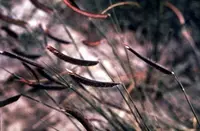
The flowering spikes curve horizontally with one-sided clusters that look like tiny eyelashes, a distinctive form that helps the grass shed seed efficiently in wind-prone prairie habitats.

High drought tolerance

This species survives on very low rainfall by forming dense fibrous roots and going semi-dormant during prolonged dry periods, which makes it a key component of shortgrass prairie ecosystems.

Soil-stabilizing pioneer

Blue grama often colonizes disturbed or overgrazed sites first, where its fine root system helps reduce erosion and gradually improves soil structure for other native plants.

Botan icon

Did you know?

In the central and southern Great Plains, blue grama is so widespread and ecologically important that it is considered one of the defining grasses of North American shortgrass prairie, co-dominant with buffalograss in many native rangelands.

FAQs about blue grama

Brown leaf tips or blades usually result from drought stress, high heat, or salt buildup. Check soil moisture, avoid frequent shallow watering, and reduce fertilizer. Light trimming can remove damaged foliage and encourage fresh, more resilient growth.

Grow Healthy Plants with Botan Care

Keep your plants happy and healthy with plant identification, disease detection, and easy care guidance.

Botan plant care app — identify plants on mobile

Explore More Plants